
Client typeReal-skin shoe brand and electrician company.
Case Detail
RFID E-Commerce Traceability Project for a Leather Footwear Brand
The unique digital identity of each shoe is established through the RFID electronic label, which provides a record of the associated goods, orders, quality checks, warehousing, exits, logistics and return of goods, and provides for the full process tracking, forgery-proofing, serial identification and return of goods.
Access Program
Managed AssetsFemale shoe products, order goods and refunded goods
Core applicationsSingle-product traceability, quality tracking, inventory management, security-proofing, return verification
System IntegrationElectrician platforms, orders, inventories and logistics systems
Client Background
Clients sell real-skin shoes mainly through electrician platforms, with different trade numbers, colours, sizes and batches.
As orders and returns are increasing, traditional bar codes and manual registrations make it difficult to distinguish between the same-segregated goods and to keep a complete record of the quality, warehousing, sales, and return of each commodity. The customer wants to establish a whole-process traceability system through RFID “One size at one size”.
Project Challenges
Commodity stocks are prone to confusion.
Women ' s shoes are more in combination with colours and sizes, and are prone to misdirections, miscodes, break codes and unclear locations.
It's hard to trace the responsibility for the examination.
It is difficult to determine the production batch, the quality examiner and the timing of the quality check when the sub-qualified commodity is in the market.
Refunds are a real mystery.
Traditional orders can only identify the model of the commodity and it is difficult to judge whether the returned commodity is the original order.
Serial and unusual circulation control difficulties
There is a lack of single-grade verification between different agents, distribution channels and destinations and it is difficult to detect cross-regional shipments in a timely manner.
Solutions
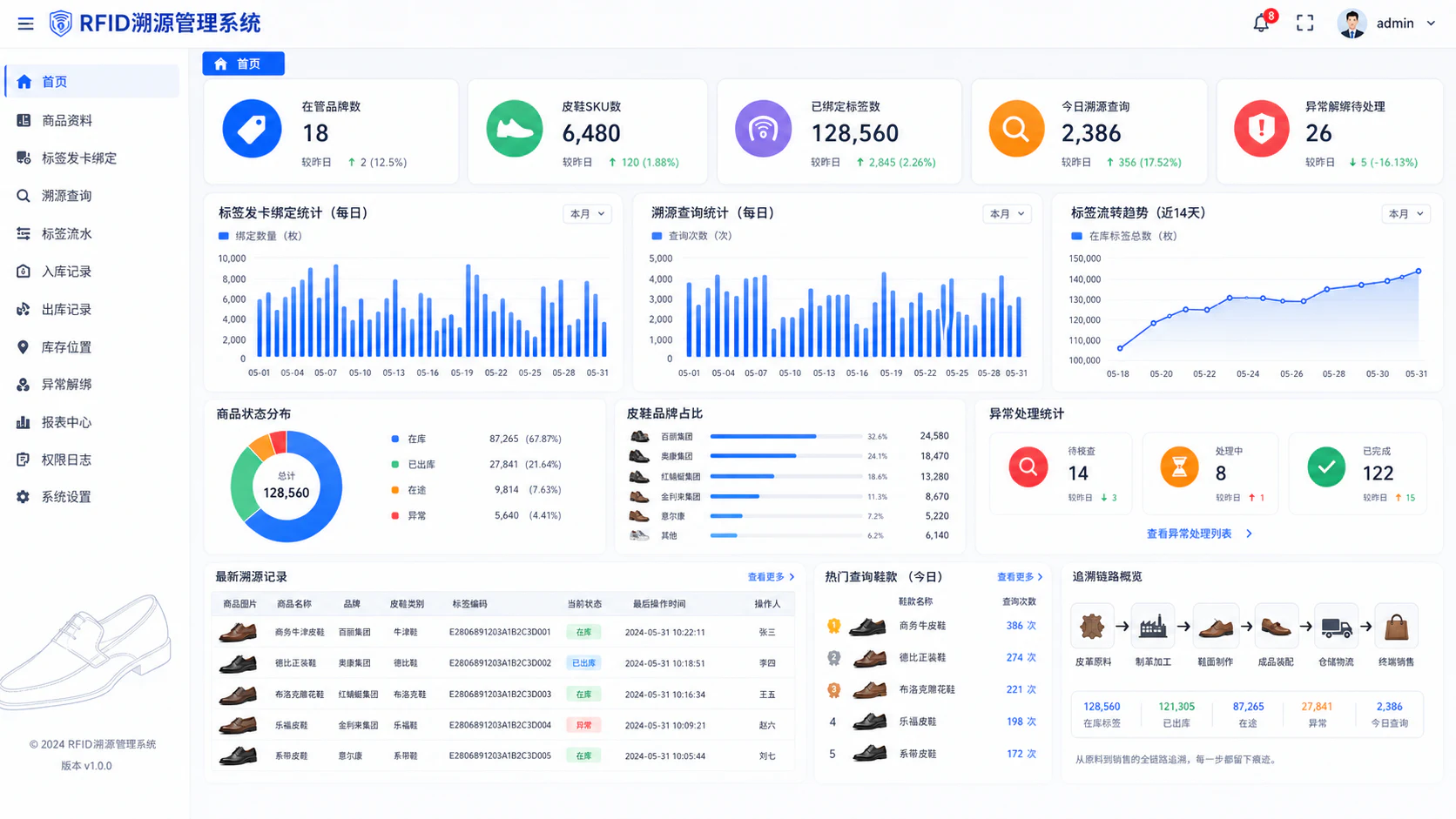
The project uses the overall program RFID electronic label + RFID handheld reader + tag printing equipment + generator traceability management system, and uses the e-commerce platform and order system.
The examiner uses the RFID handheld reader to read the label in bulk, record the examiner, time and results, and automatically lock and block the inventory of the disqualified goods.
In the commodity entry, exit and return chain, the system automatically compares the order, batch, destination and historical record, identifying miscalculation, non-ordered, serial and suspected counterfeit goods.
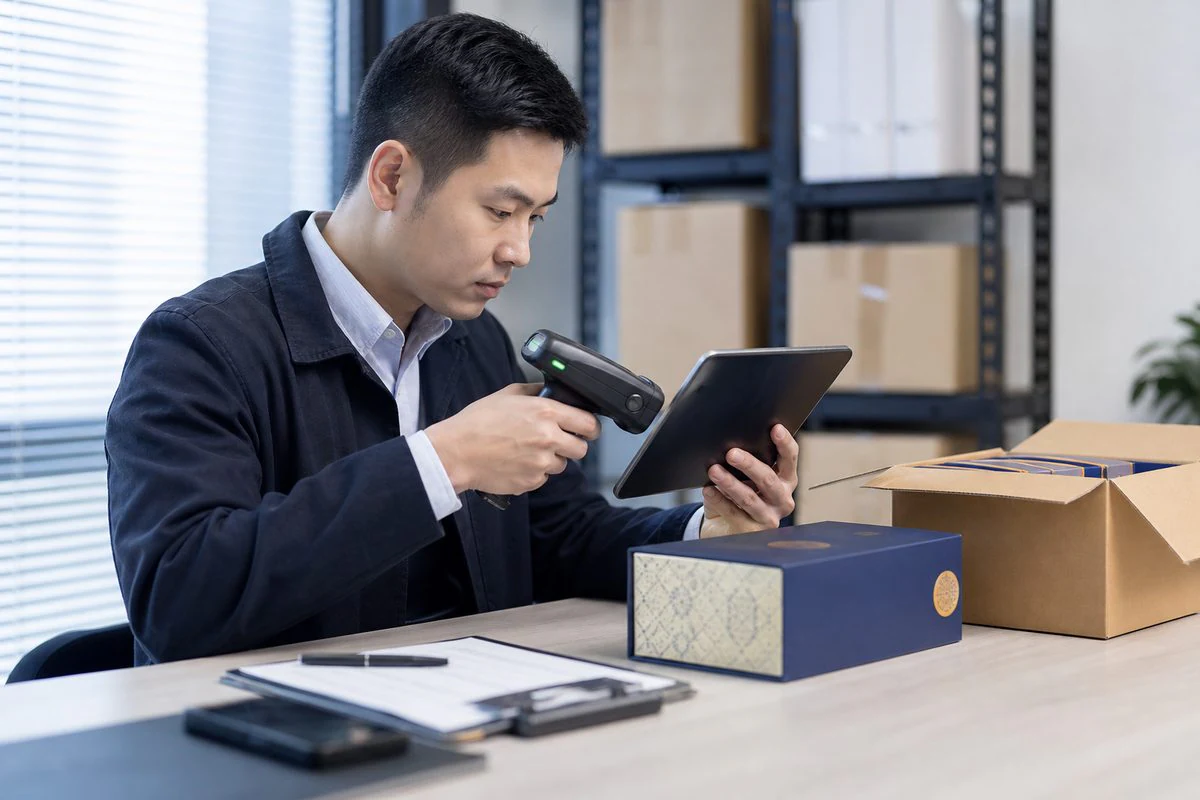
RFID Tag Generation and binding
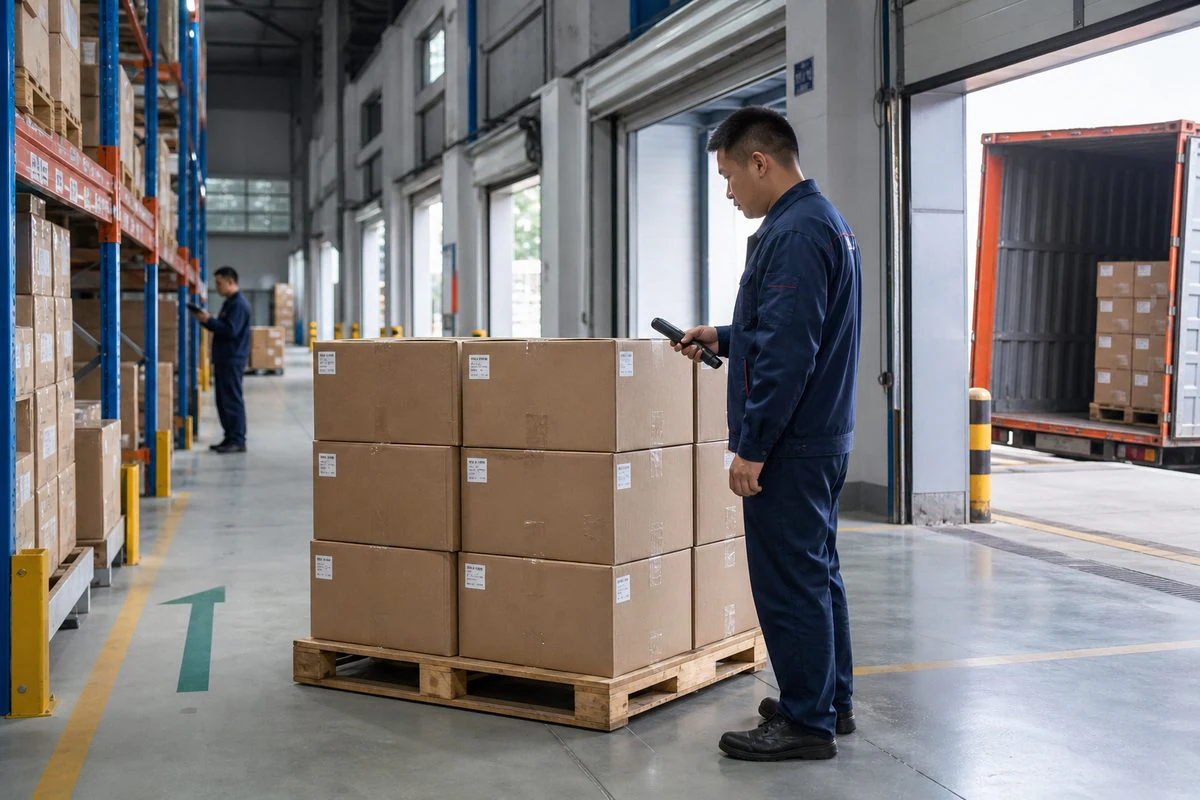
Production quality check records retrospectively
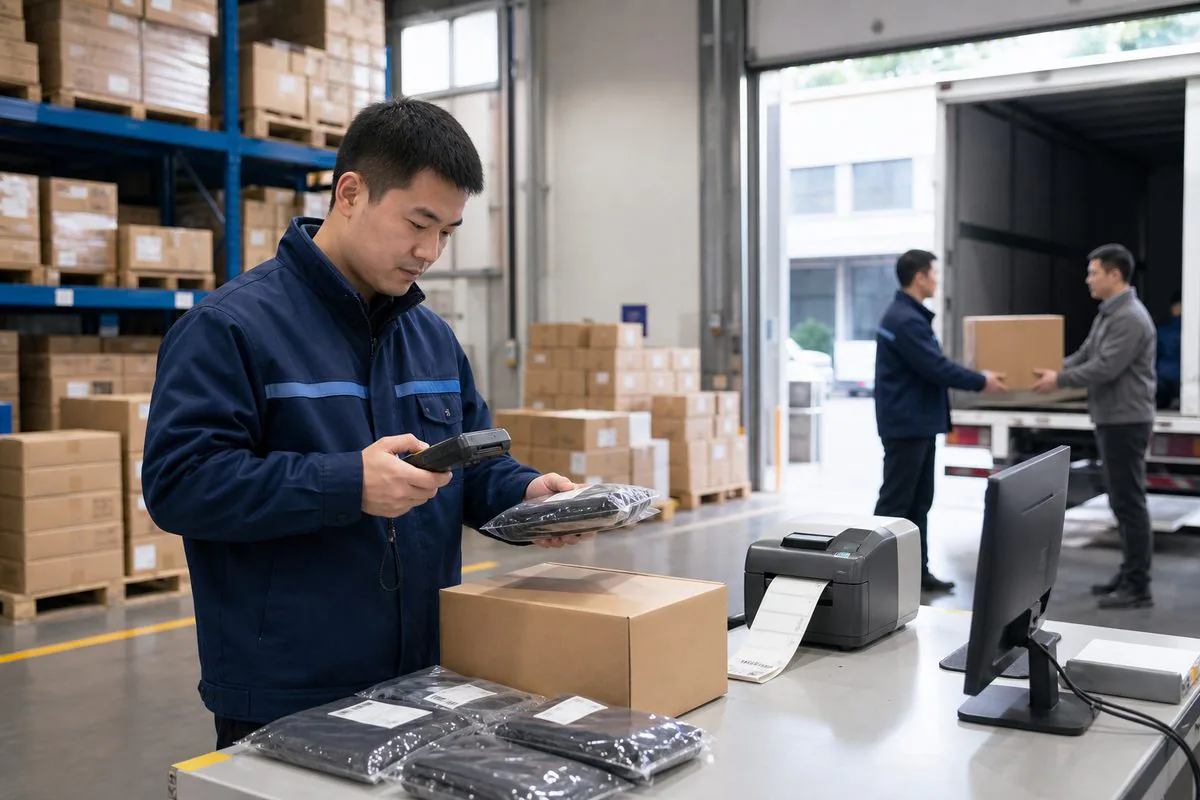
Orders associated with sales and sales out of the library
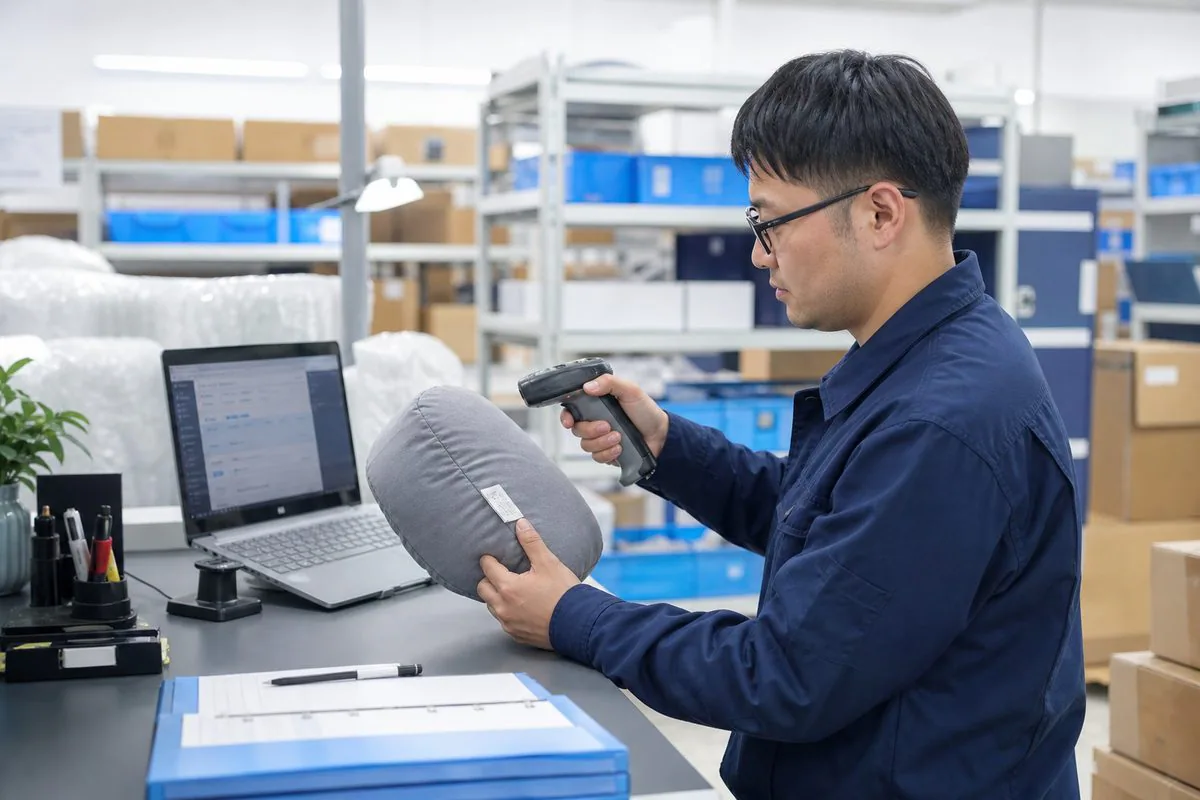
Refund against fraudulent sources of traceability verification
Workflow
Synchronization of Commodity Orders
Generate a unique EPC
Label Printing Bind
Plant quality check records
Finals in the Library
Orders associated with library
Logistics channel tracking
Refunds against forgery
Re-entry or processing
Key Functions
Synchronization of goods with orders
Synchronize information on goods, customers, orders and logistics to the electrical power provider platform, order and warehousing systems.
RFID tag management
The only RFID code is generated for each commodity, which supports printing, writing, binding, checking, retorting and scrapping.
Production quality check trace
Records the quality examiners, time, project and results, and supports the search by commodity, person, batch.
Product entry bank management
Check the quality of the goods and record the time, personnel and position of the warehouse to facilitate subsequent follow-up.
Sales out of the library tracking
Associated order numbers, RFID codes and logistics information form a single commodity inventory.
Refund traceability
Checks original sales orders, identification of goods and flow records, registration of reasons for return and results of the re-examination.
Counterfeiting and chaining.
Identification of serials and suspected counterfeits compared to RFID identity, order destination and historical flow.
Inventory of RFID
The inventory is carried out in bulk by hand-held machines, which generate a breakdown of the excess, deficit and unusual goods.
Deployment
A. Software systems
- RFID Electrician Retrace Management System
- Synchronization of goods and orders
- RFID tag management
- Production quality control
- Product entry bank management
- Sales from Treasury Management
- Return and post-sale management
- Counterfeiting and stow-and-sniffing verification
- Inventory of RFID
- Commodity life cycle queries
- Statistics and traceable reports
B. Hardware equipment
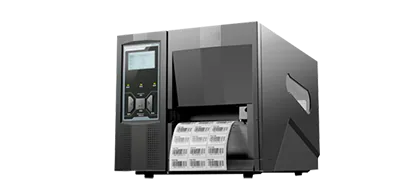 RFID Label Printer
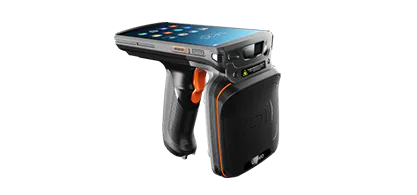 RFID Handheld Terminal
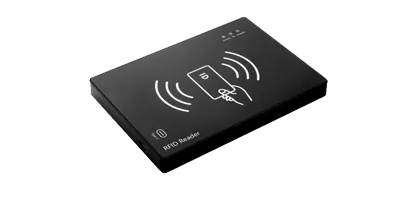 RFID Desktop Reading and Writing Device
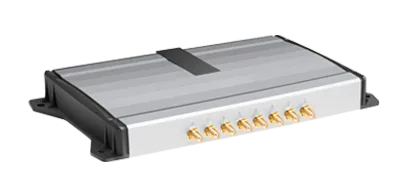 RFID fixed RFID Reader and antenna
 Commodity RFID electronic label
Results
How can single-grade management be established, given the untraceable nature of the commodity, the real and false nature of the return?
The verification of security, serial identification and the tracking of the entire life cycle are achieved through the creation of a single digital identity for each commodity through RFID, which provides a flow-of-quality control, inventory, order, logistics and return records.