
RFID Position Cards and Tabs
:: The establishment of a single RFID location card for personnel, visitors, equipment and valuables, and the establishment of a correspondence between identification, card number, department, items file and use status.
Solution Detail
Based on 2.4G RFID positioning cards, base stations and management platforms, real-time location of persons and critical items, access records, track trails and unusual alarms are achieved.
Request a Consultation:: The establishment of a single RFID location card for personnel, visitors, equipment and valuables, and the establishment of a correspondence between identification, card number, department, items file and use status.
Deployment of main and regional small base stations in the parks, workshops, laboratories and priority areas, to receive the L.P.S. signals automatically and to identify the area where the persons and objects are located.
Centralizes information on managers, articles, regions, equipment and maps, providing real-time location, online status, stay, track records and unusual alarms.
Connects through APIs to security gates, attendance, safety management, and asset management systems to synchronize personnel profiles, organizational structure, alarm results, and location data.
The distribution of personnel and critical items relies on manual inquiries or on site searches, which do not allow for quick access to current locations and activity.
There is a lack of uniform regional authorization rules for personnel, visitors and items, and access to restricted areas is difficult to detect in a timely manner.
In the event of fire, leak or other emergency, the slow rate of manual roll-calls makes it difficult to quickly identify the non-evacuees.
Access, movement of goods and regional stopovers depend on manual records, which can easily be characterized by omissions, misrecording and delays in information.
Cross-border, long-term detention, regional overloads and unusual movements of important items usually require on-site detection by the inspectors.
The absence of complete area access, stop time, movement trajectory and alarm disposal records makes it difficult to reset the event.
RFID + Positioning Base + Software Platform to build a real-time perception and positioning management system for people/items, with visual, searchable and early warning smart controls
The PC backstage handheld terminal map map data viewer real-time positioning plaster trajectory back to the alarm disposal.
Personnel / Field of the Articles Archives Authorised Equipment for the Management of the Track Recording of the Air Force Emergency Evacuation
Industry Wi-Fi Ethernet 4G / 5G|TCP / UDP| secure transmission
RFID / 2.4G Position Card Master Station | Regional Base Station | Read-writing Device | Data Collection
Poster builder, equipment and map management, permission configuration, track queries and data analysis
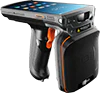
Alerts, personnel enquiries, on-site verification, emergency count, associated disposal
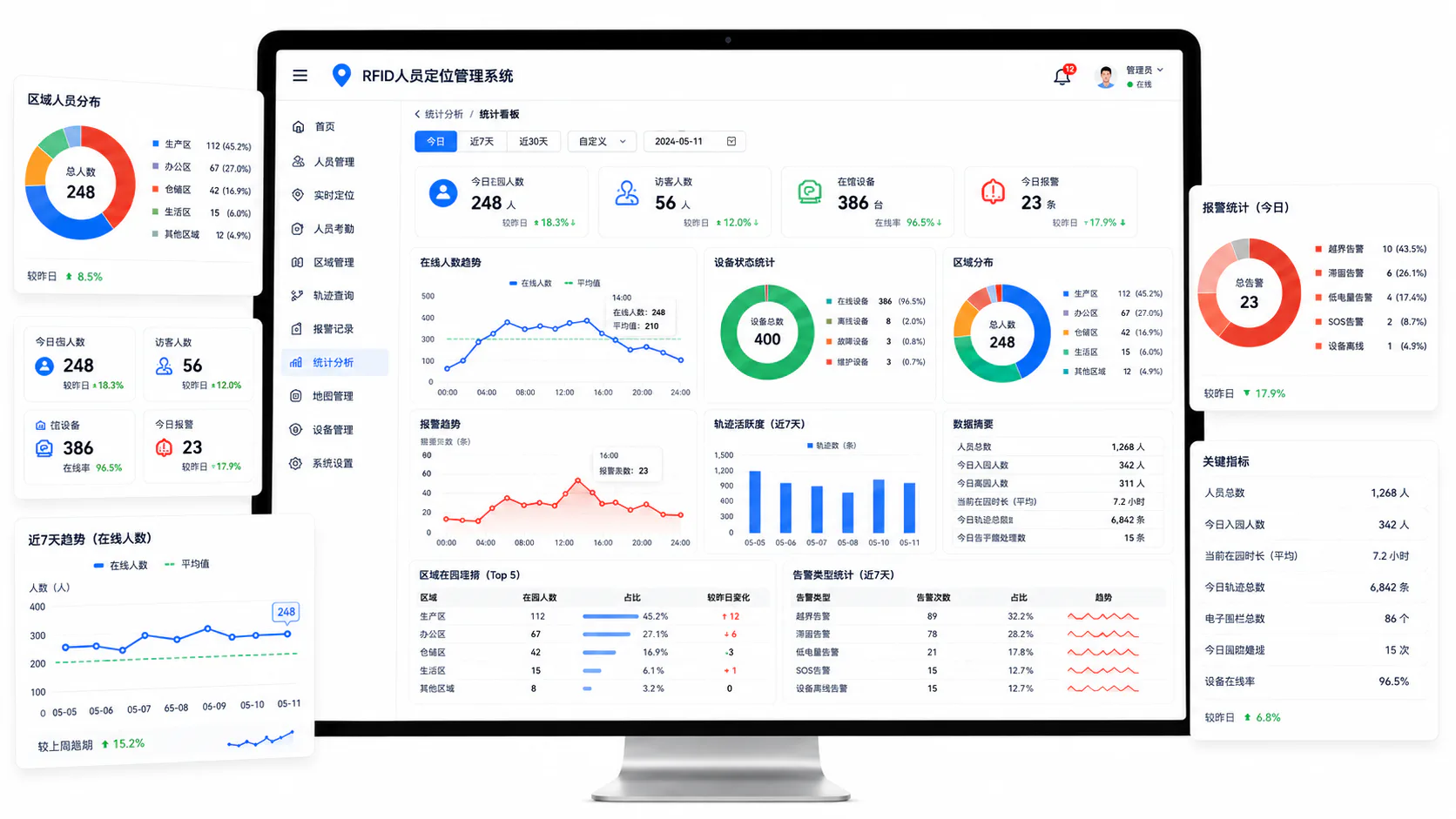
Real-time distribution, regional statistics, heat analysis, unusual early warning, emergency situation
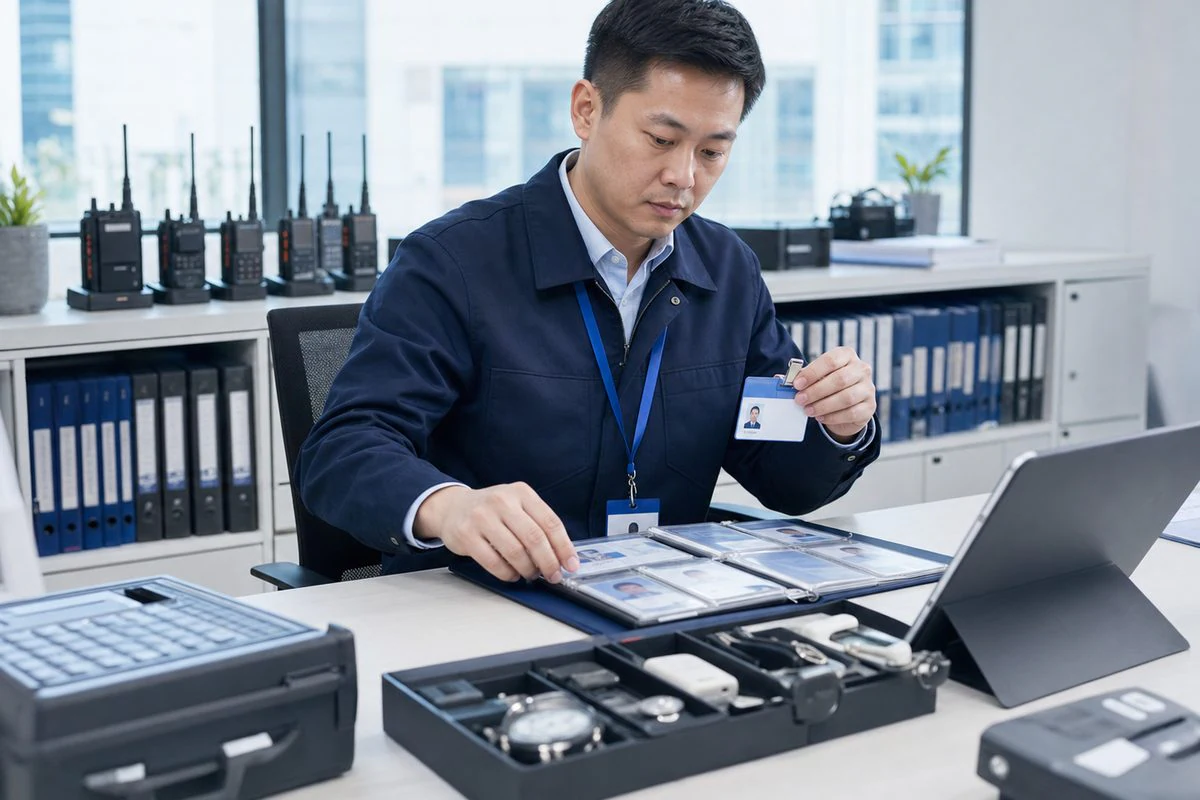
:: Harmonization of information on managers, visitors, equipment and critical items, support for bulk import, editing, stop and synchronization of information.
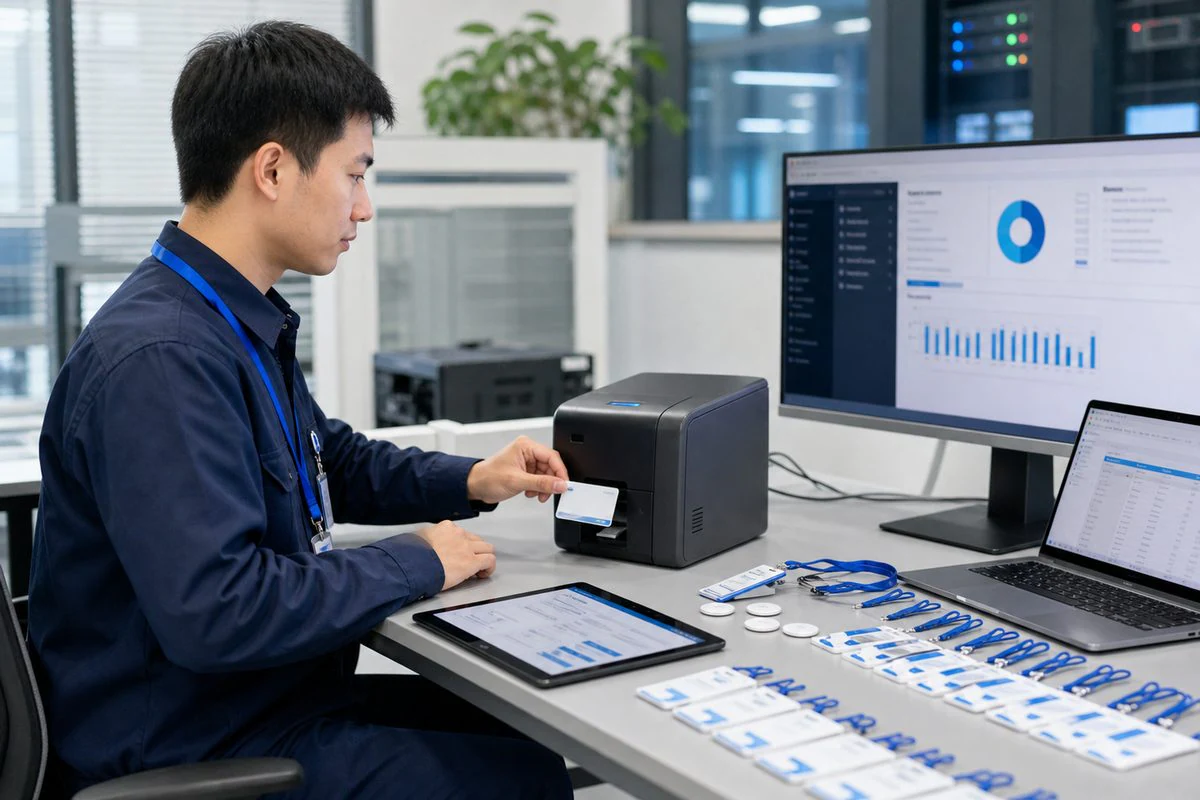
Supports the issuance, binding, change, write-off and issuance of card log queries for the establishment/checking of correspondence between personnel, items and positioning cards.
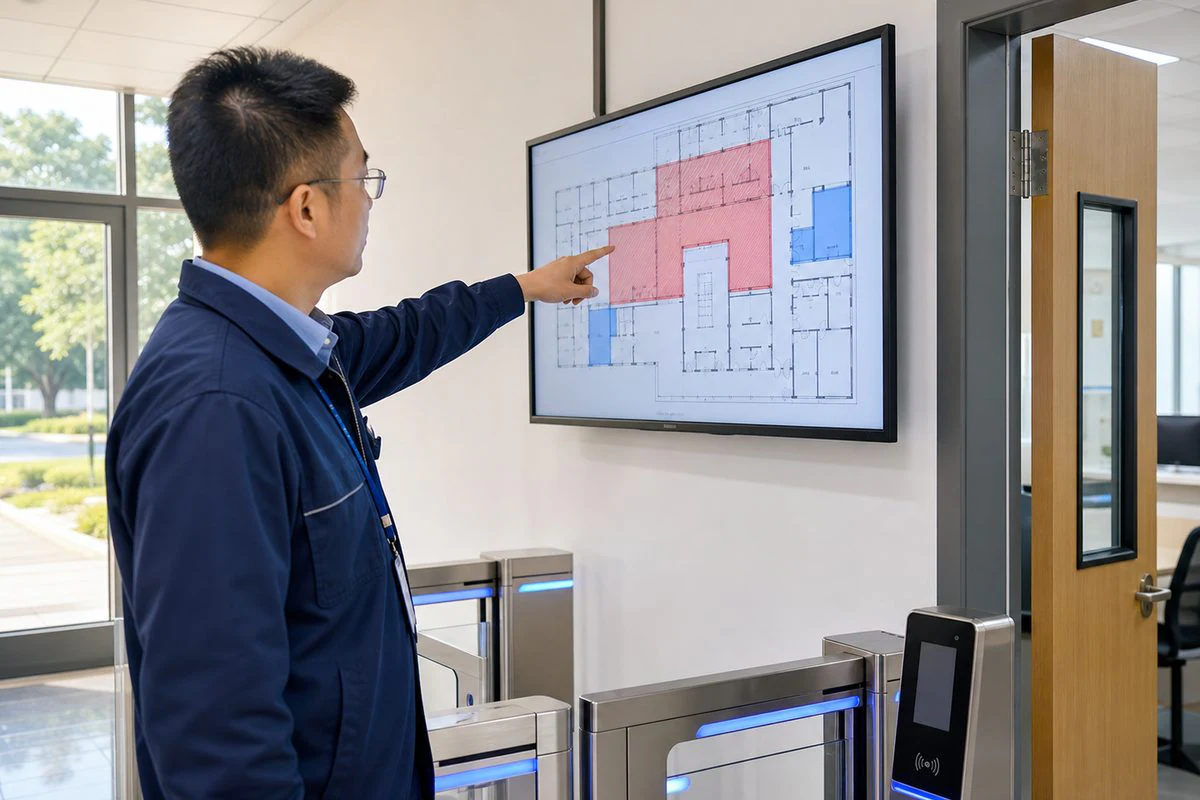
Maintenance of plant areas, floors, rooms and priority areas, with authorization, direction, capacity and fencing rules.
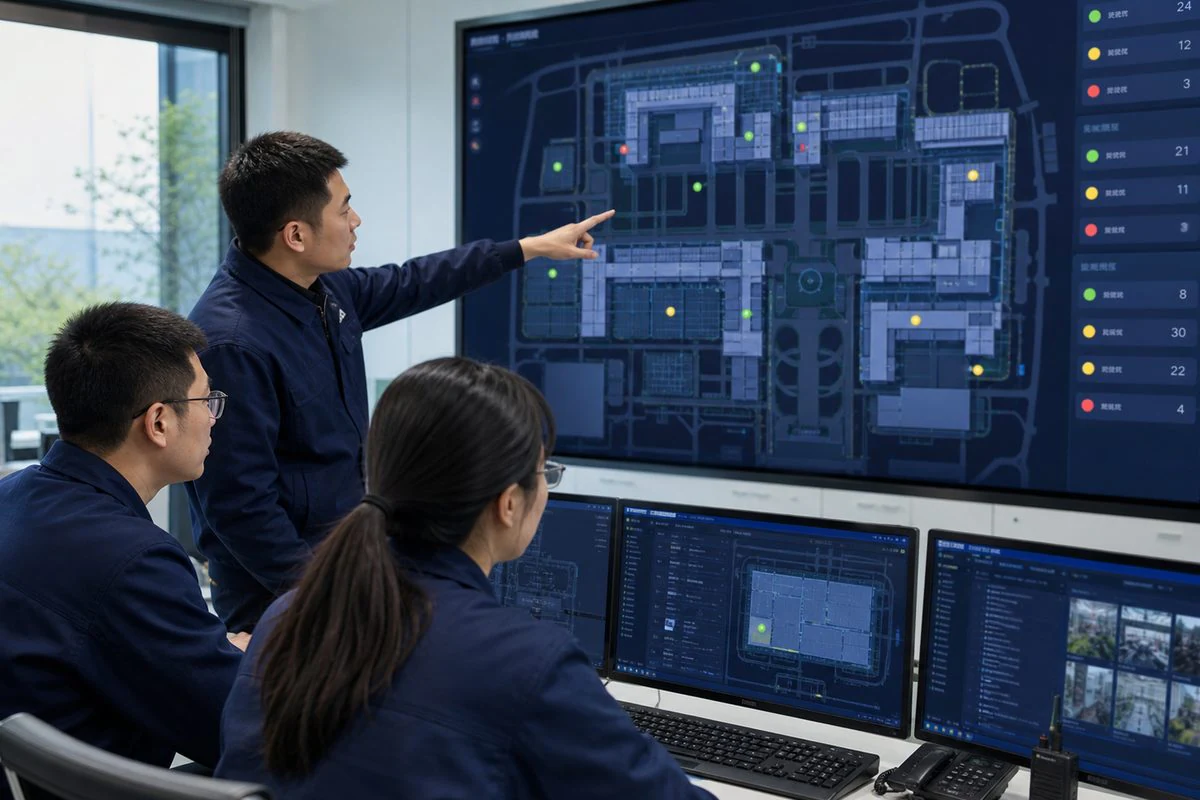
The number and real-time status of personnel, items and objects in each region are displayed through campus or building maps, and the target audience is quickly identified.
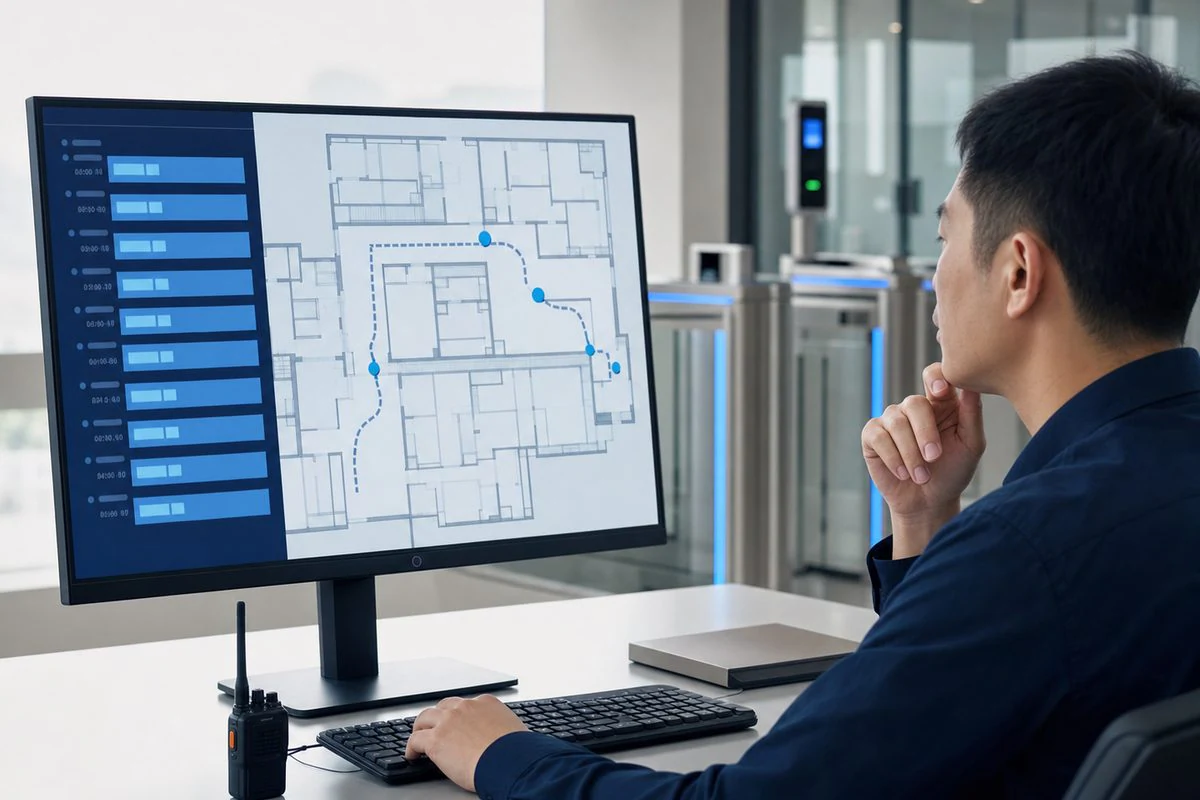
Automatically saves area entry, departure, stay and location toggle information, supporting queries by person, object and time.
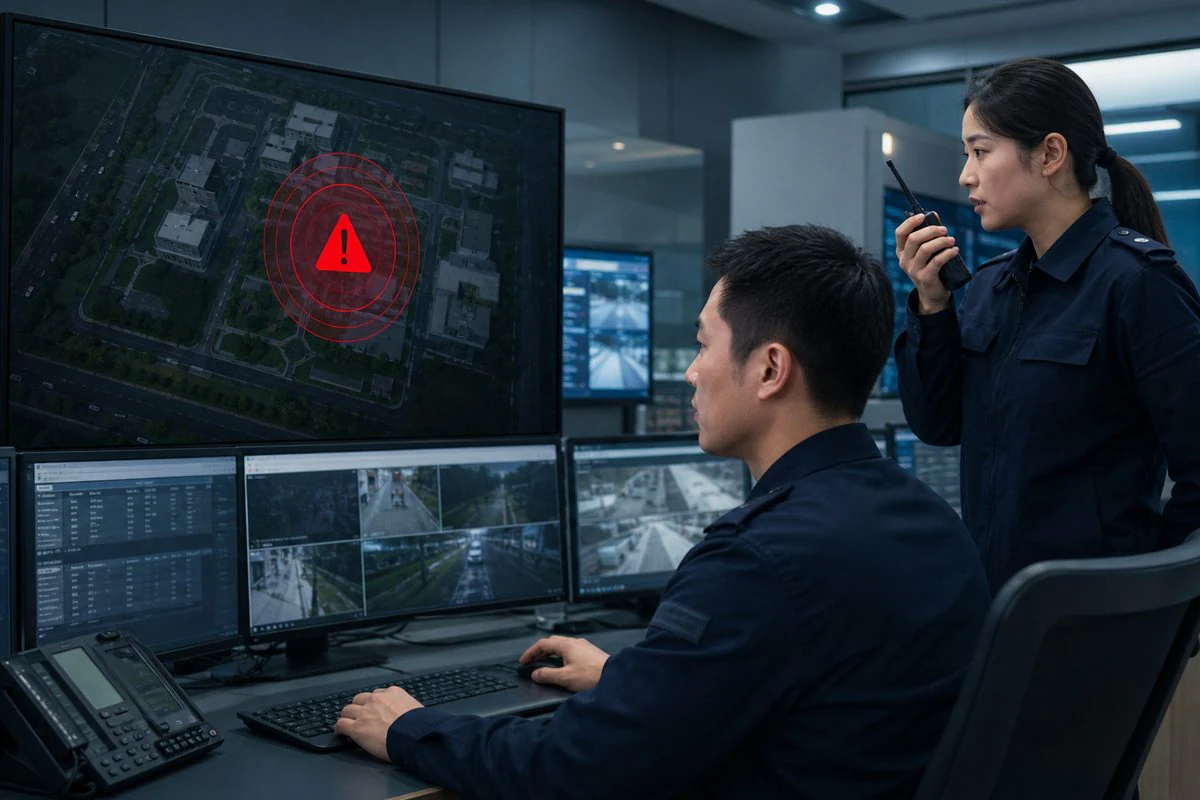
Support cross-border, detention, area overload, equipment offline and abnormal movement of items to alert and follow up on alert disposal.
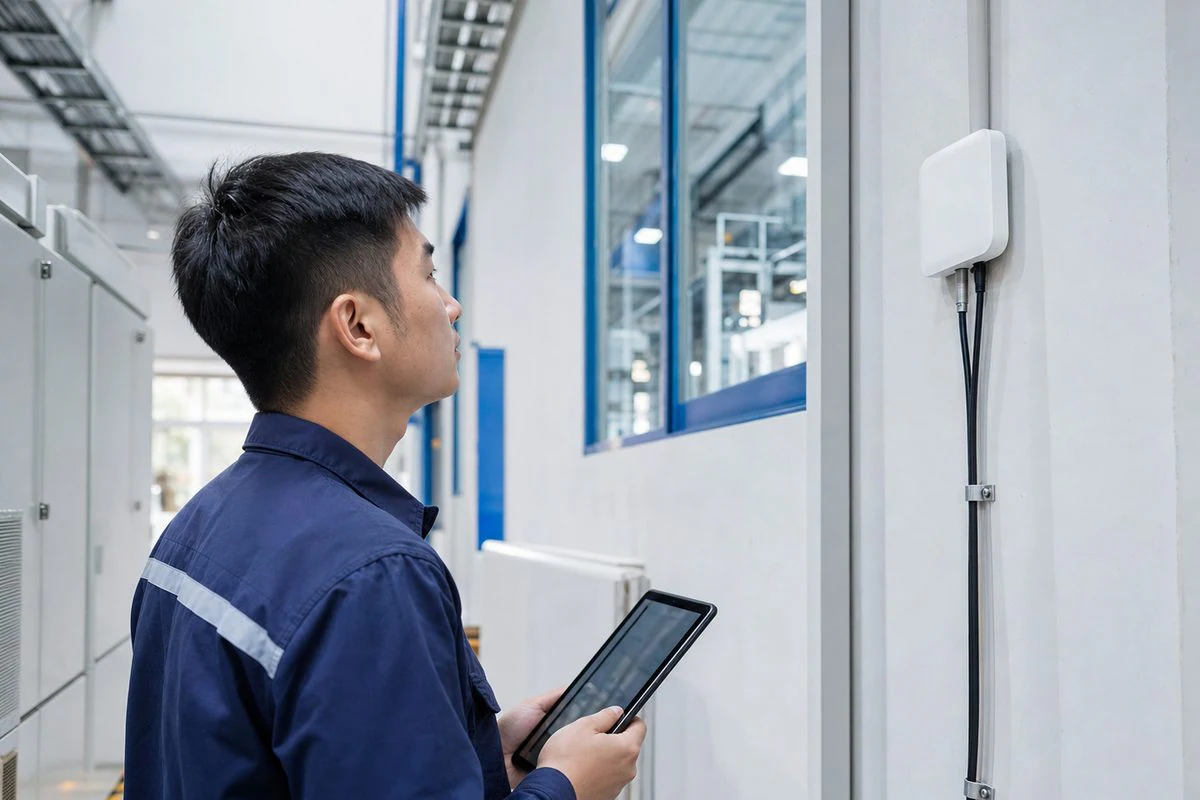
Centralize the base site address, location, online status and operational information to support equipment start-up and maintenance management.
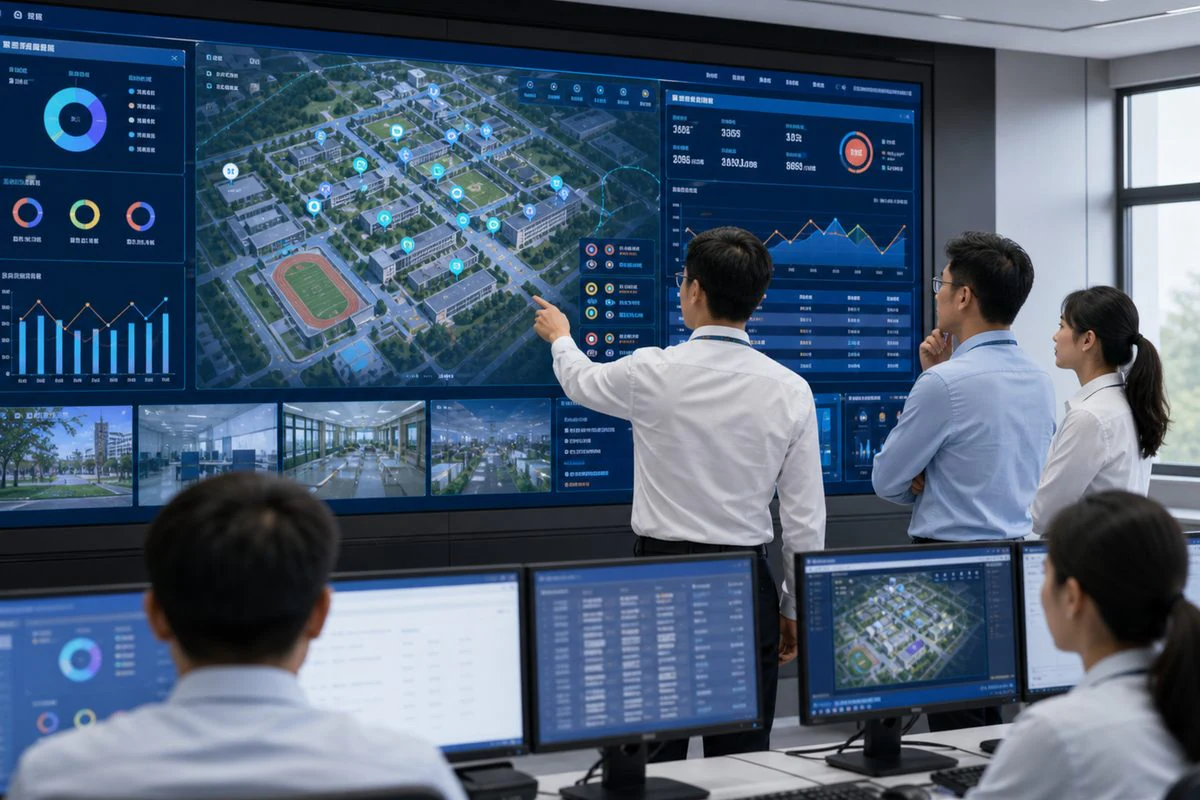
Displays online quantitative, regional, equipment status, recent trajectory and alarm statistics and links to OA and third-party platforms.
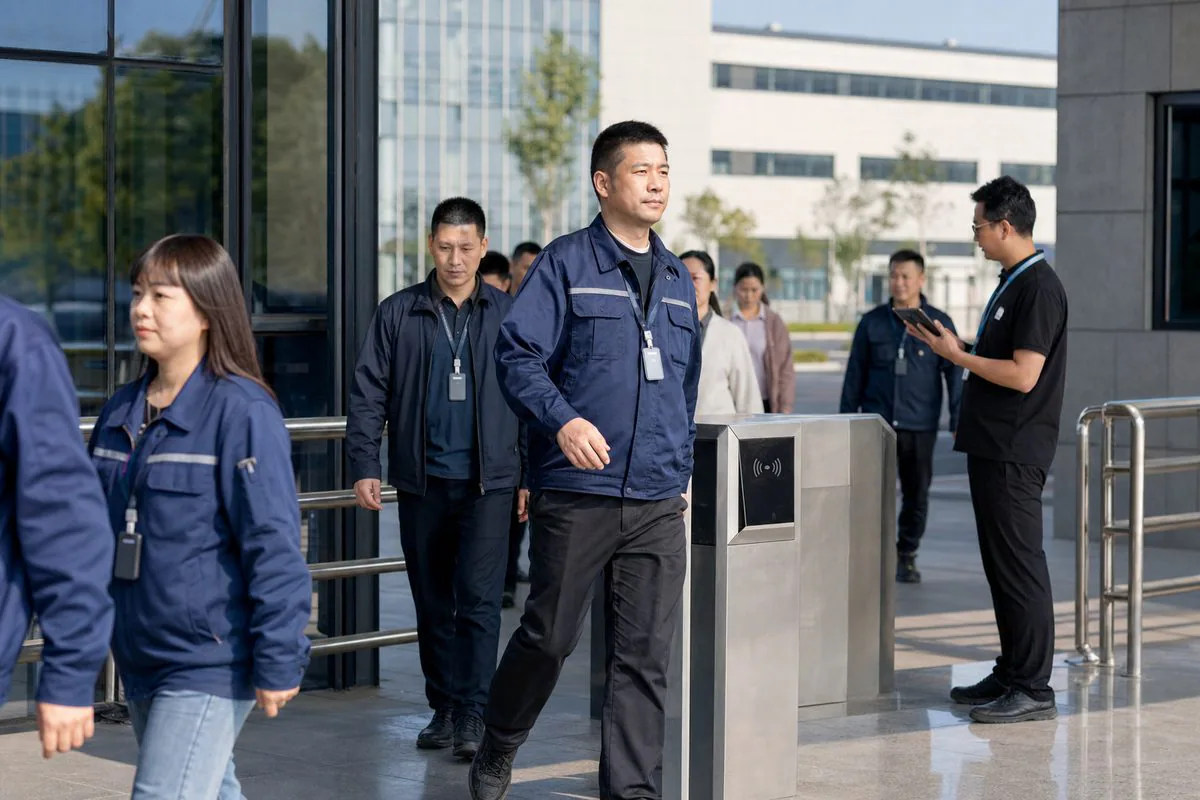
Once staff members have entered the office area or production area with a locator card, the system automatically recognizes the arrival, departure and regional stopover without the need for a card to be written.
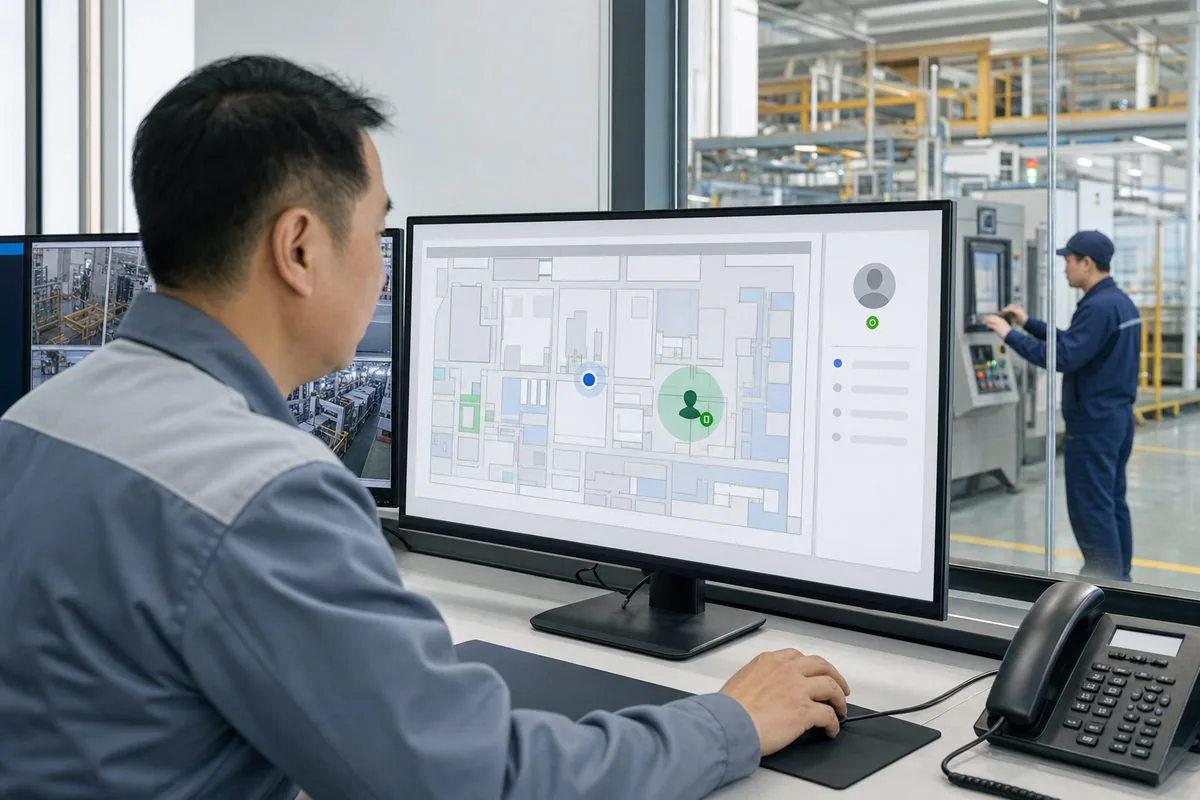
Managers can search for the final location, time of testing and current online status of the person through name, number, department or area.
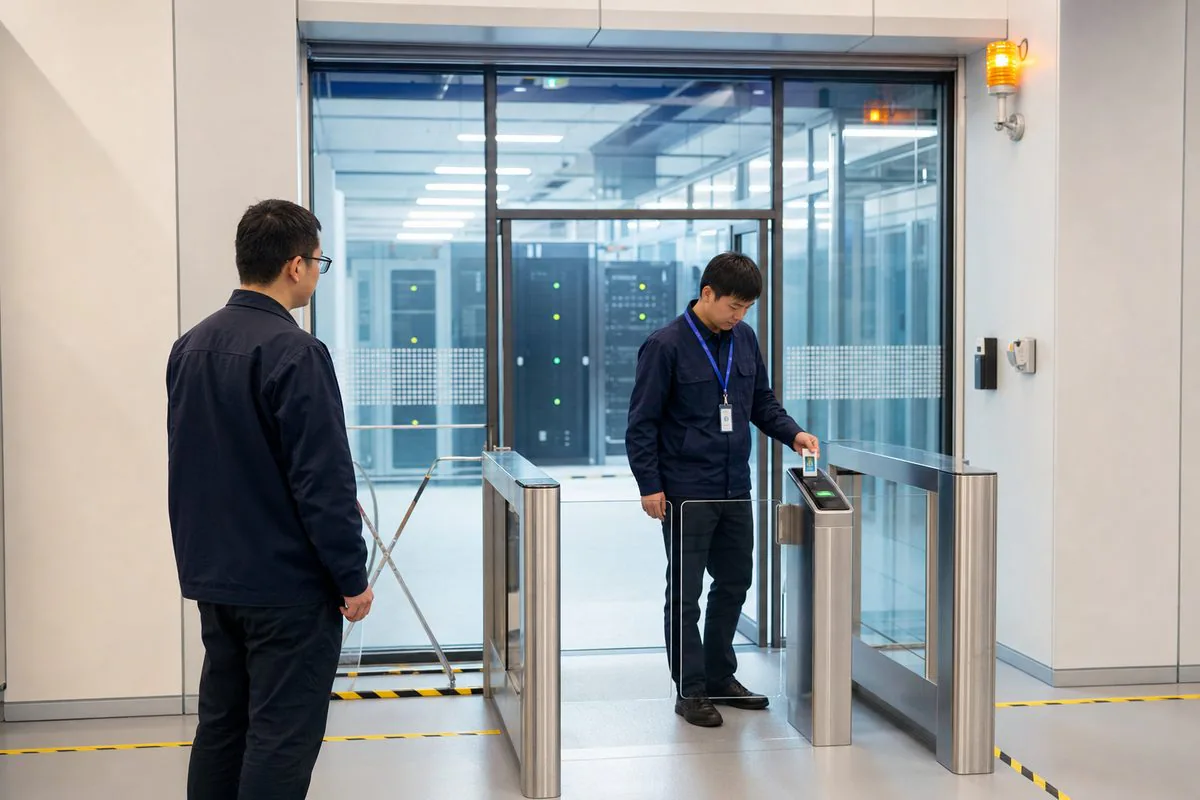
The access area and the time of validity are provided for persons and visitors, and the alert is automatically triggered when they enter an unauthorized area.

RFID positioning cards are tied to important equipment, instruments or valuables, and have real-time access to the area and movement status.
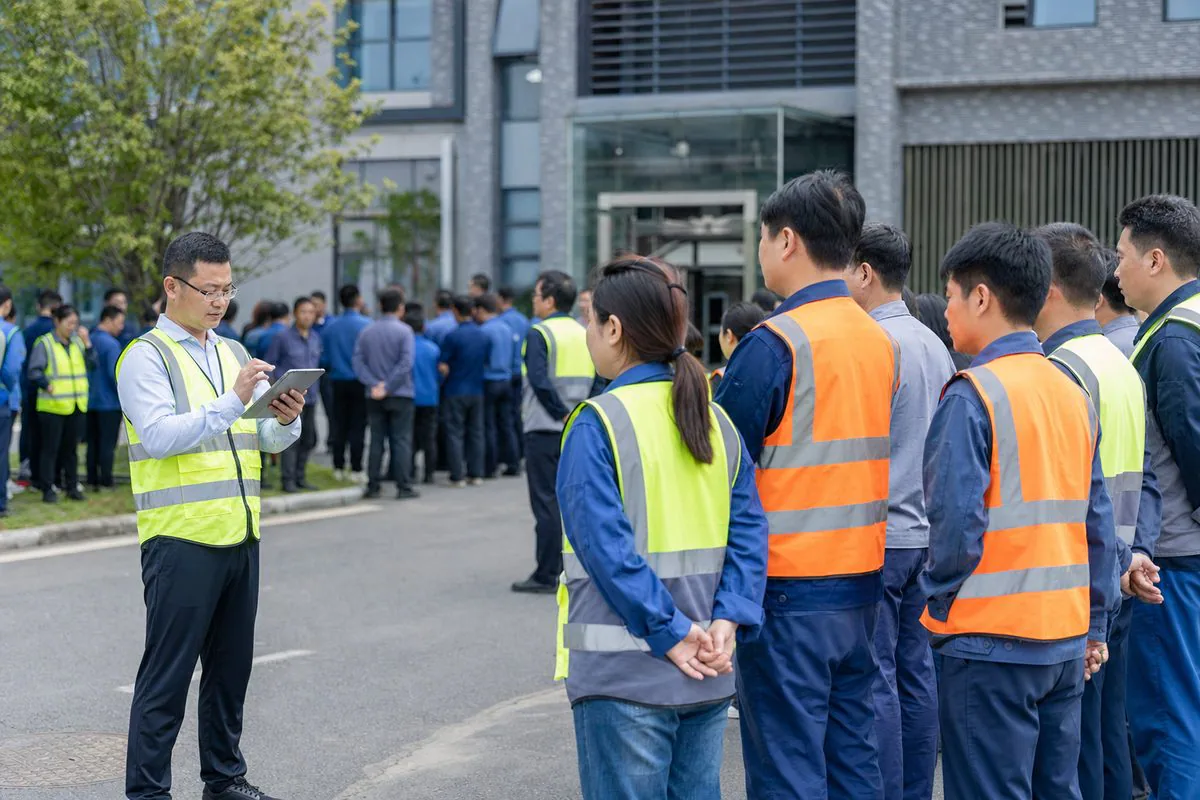
In case of emergency, rapid count of personnel, evacuees and non-evacuees is based on real-time location results for each region.
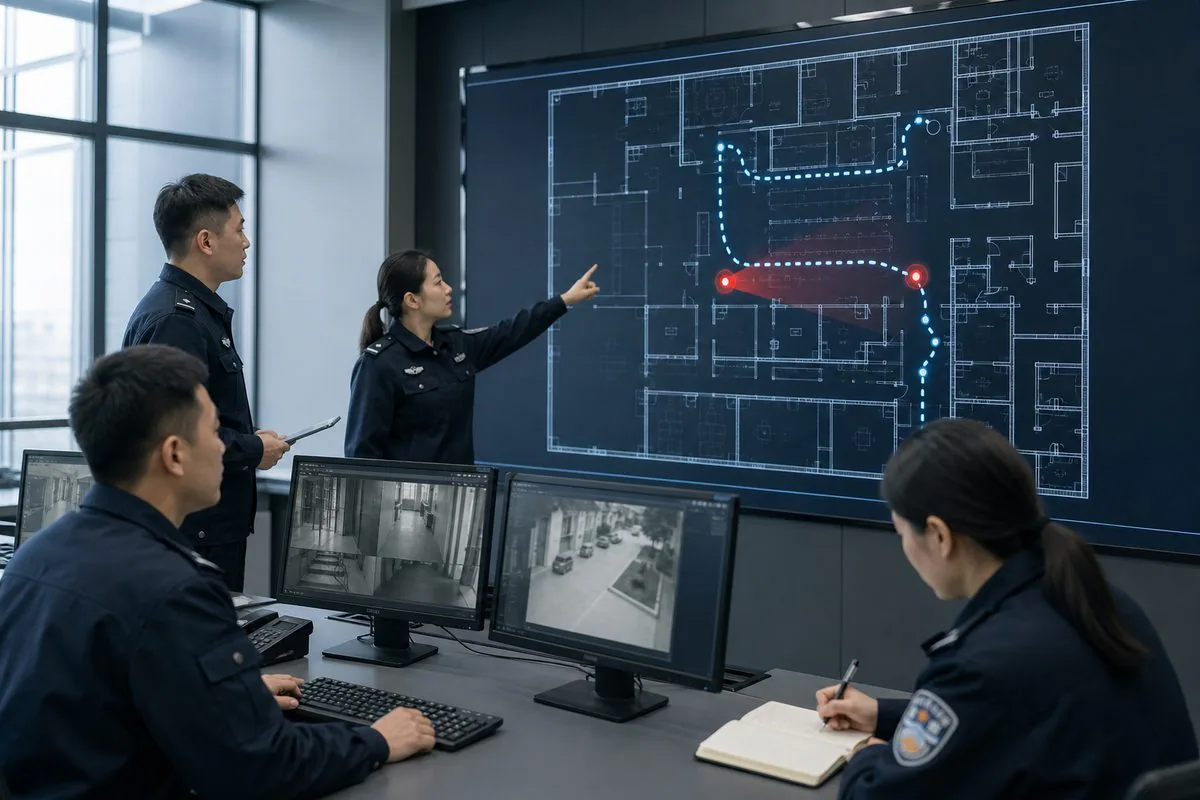
Automatically record areas, stop times and anomalies in the passage of persons and goods, providing a basis for the investigation of security incidents and responsibility traceablely.
The real-time distribution of personnel and critical items is shown on maps, reducing on-site queries, manual searches and duplicate registrations.
Checks of the identity of persons, regional access permissions and physical access are made to detect cross-border, stay and unusual movements in a timely manner.
Rapidly capture the number of personnel and the location of non-evacuees in the regions in emergency situations and provide data support for rescue and evacuation.
Automatically complete sensory, record-keeping, statistical and alarm operations and reduce manual naming, inspection and Asset Registering.
Full linkage of personnel, items, positioning cards, areas, time, trajectory and alarm results to facilitate the tracking of incident verification and accountability.
Optimizing regional configuration and security management systems through personnel distribution, regional traffic, length of stay, type of alarm and data on the operation of equipment.
2.4 GHz active RFID area positioning enables automated roll call, track queries, geofence alerts, and video integration.
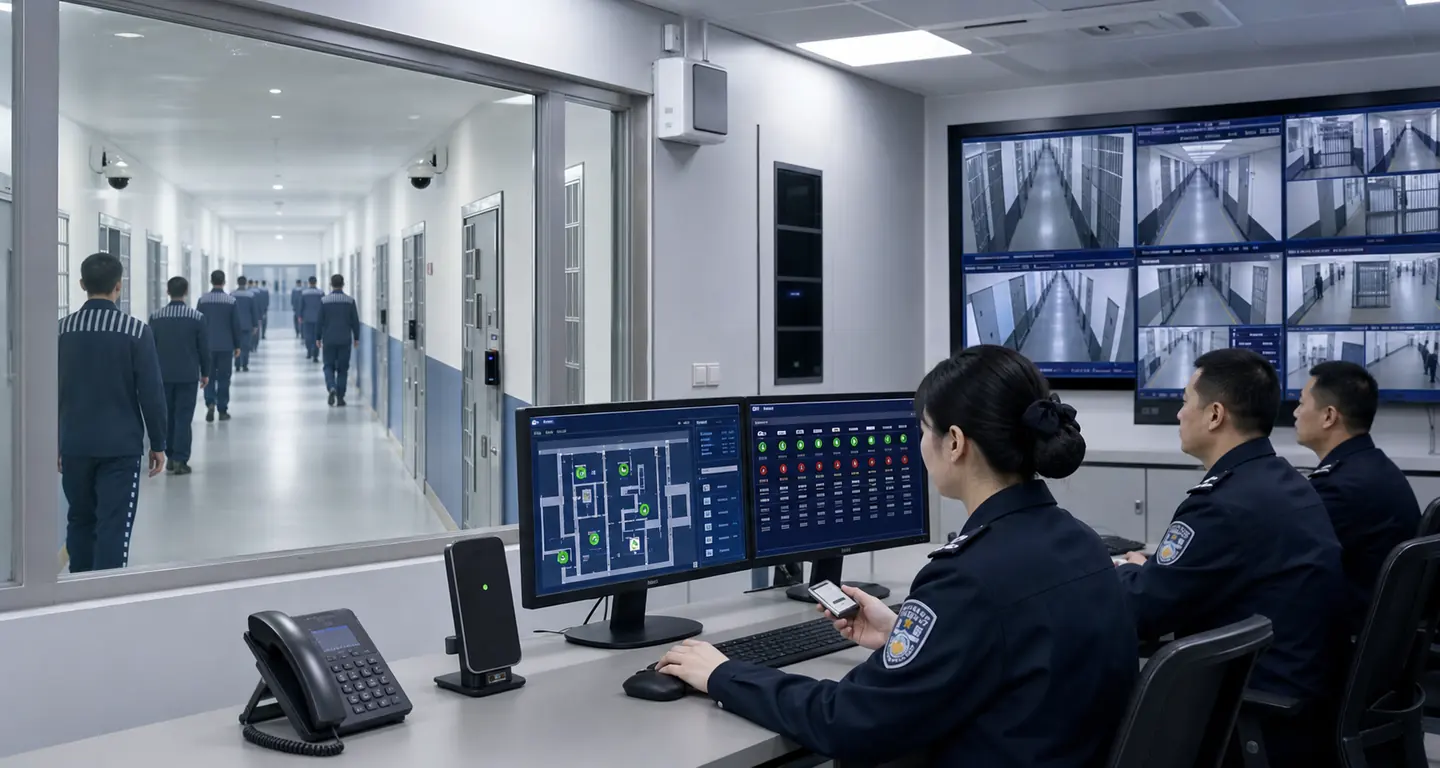
Related System
(c) The location of personnel, equipment, key items, trajectory re-entry and regional alerts.
The following is a common hardware package for the programme, with the actual configuration being flexiblely configured in accordance with the project landscape, business processes and the field environment.
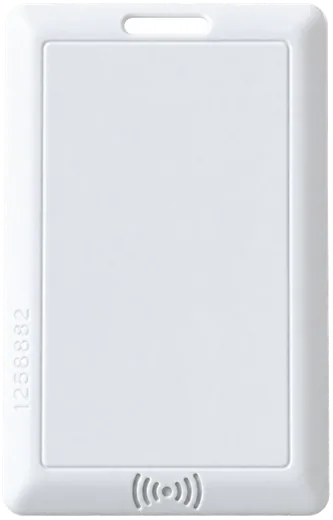
For people/objects identification, area perception and dynamic tracking, a breast card, working card or bracelet may be selected from the scene.
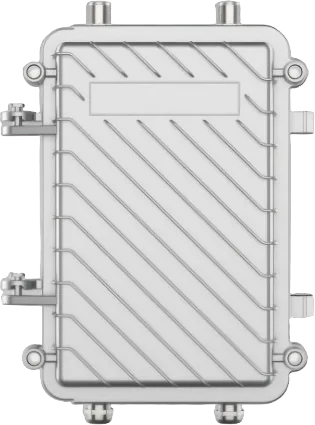
Responsible for receiving and uploading locational tag data and for the management platform, which supports a variety of web-based modes of communication.

Regional identification and dynamic tracking applicable to equipment, tools, vehicles and critical assets
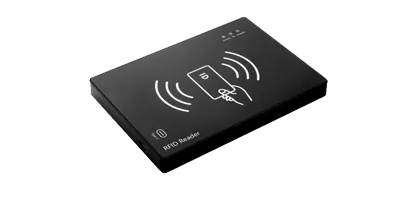
For initialisation of positioning labels, coding, binding of persons or objects and labelling management.
The system is primarily used for area-level or rice-level perceptions of personnel and goods, and physical accuracy is affected by base station spacing, site blockage and deployment environmental impacts, and site planning can be undertaken as required by the project.
Not required. The system automatically identifies and updates the area of the base station after the person has entered the area covered by the base station with a bound locator.
Yes. The system can be used to create and label files and to manage personnel, vehicles, equipment and critical items in a single platform.
Yes. The system can set up hazardous areas, restrict areas and allow access time, and automatically alerts in case of unauthorized entry, cross-border or prolonged detention.
Support. The system provides access to historical regional changes, moving tracks and related alarm records by person, object and time range.
The source tag usually requires a battery or charge power, which is determined by the type of label and frequency of reporting.
Contact Us
Tell us about your business scenario. We can help define the right tags, hardware, platform, and deployment approach.