
RFID Tag
Allocating a unique EPC code for each commodity and maintaining a TID hardware identity and establishing a match between the label and a particular commodity.
Solution Detail
The establishment of a unique identity for commodities through RFID, which provides access to production, warehousing, logistics, sales and post-sale data, achieves full traceability, security from forgery and accountability.
Request a ConsultationAllocating a unique EPC code for each commodity and maintaining a TID hardware identity and establishing a match between the label and a particular commodity.
Print, issuer, read and field check of tags through RFID printers, handheld PDAs, desktop RFID Reader and mass reading devices.
Linking goods, labels, quality checks, inventories, orders, logistics, return and operation logs to complete electronic files of individual products.
Synchronize information on goods, orders, inventories and logistics against ERPs, electric power platforms, WMSs, order systems and after-sales systems.
The same paragraph, the same batch, has the same appearance and it is difficult to determine the identity of the individual and the real origin of the individual goods by bar code or packaging alone.
Production, quality control, warehousing, sales and return data are scattered across different systems and do not allow for a continuous track-back chain of goods.
Returning goods may be labelled as replacement, non-title, counterfeit or non-ordered goods, which are difficult to assess quickly.
The lack of effective identification and destination verification tools following the flow of commodities to non-designated distribution areas or non-original order channels.
Quality problems have made it difficult to identify the production batch, the quality examiner, the time of the examination and the specific flow chain.
Traditional sweeps require the targeting of goods on a case-by-case basis, with low efficiency and easy leakage when large quantities are entered, discharged, accounted for and returned.
RFID Tag + read device + software platform to build a lifecycle traceability and anti-counterfeiting security management system for goods, single-product identification, full-process traceability, security-proofing and unusual tracing
PC backstage branding and consumer query end-end PDA
The HotSync Colony Tag Management The Atrocities of the Label Flowing and the Access Library Log
Ethernet wi-Fi|4G / 5G|API interface
RFID Tag|RFID printer handheld PDA | desktop RFID Reader| fixed reading and writing equipment
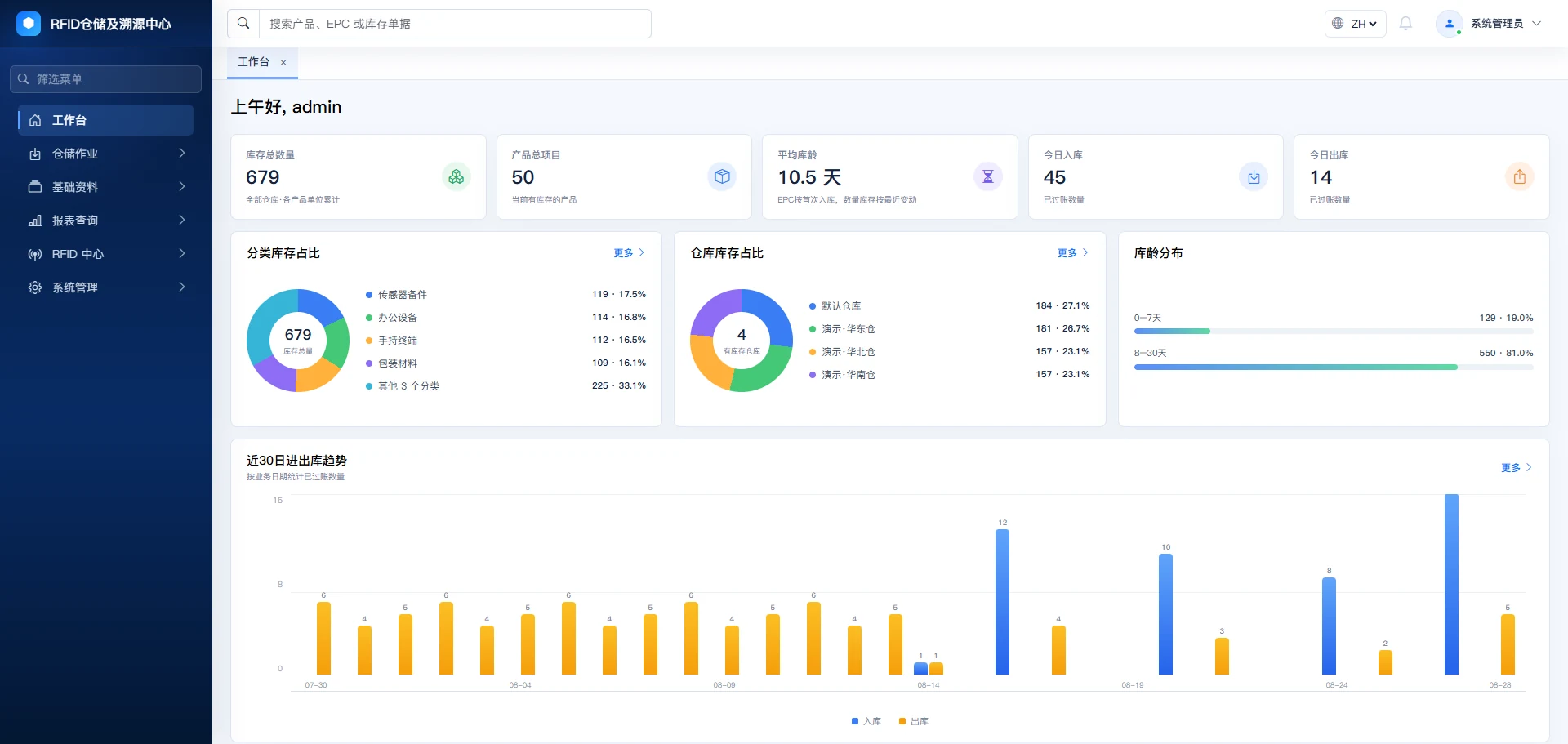

Commodity information, labelling management, statement statistics, unusual processing
Issuer binding, quality check, entry, exit, inventory, return check

Identification, traceability, security checks
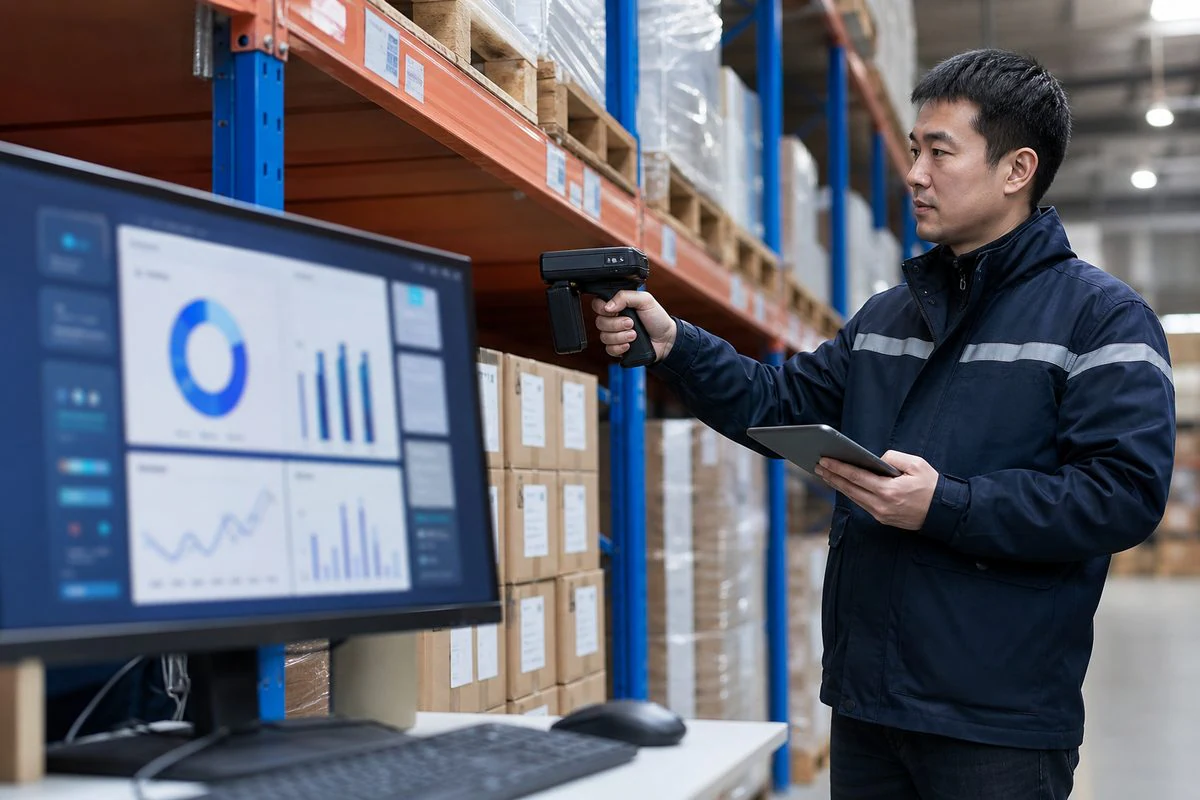
Synchronize commodity, order and customer information and establish a unified retrospective data base.
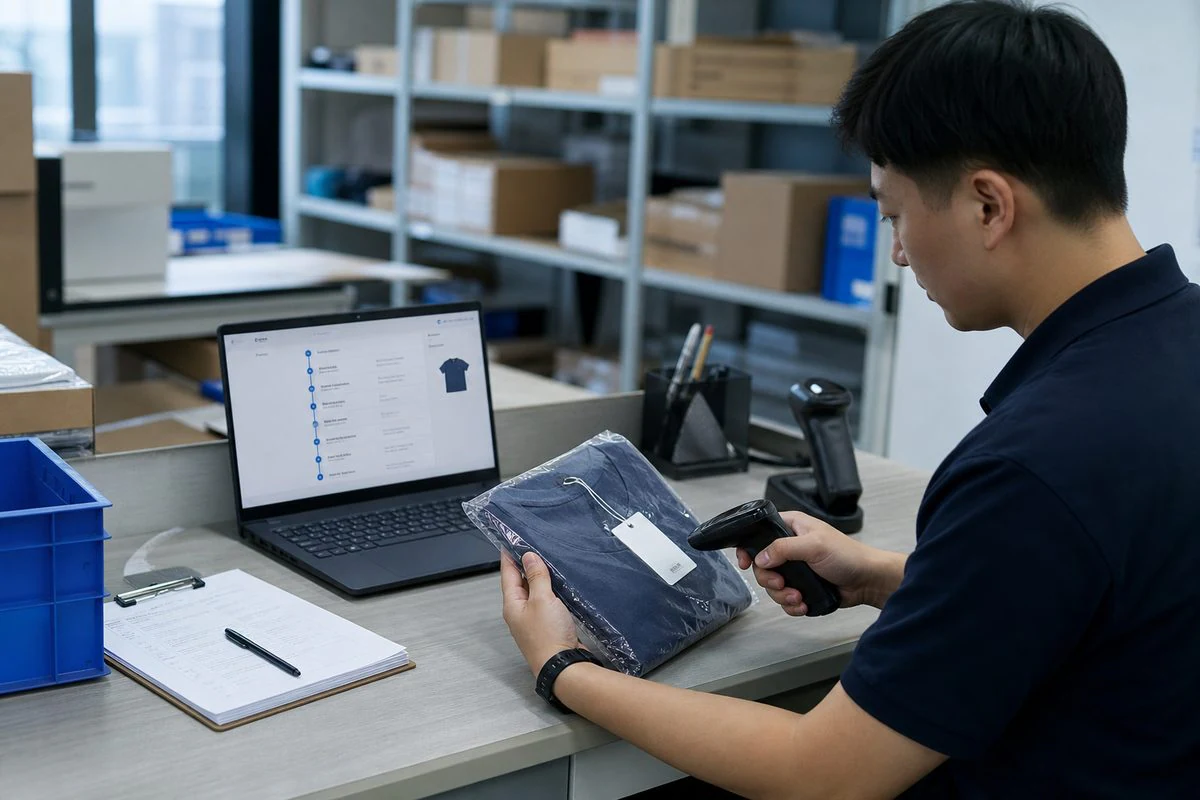
Batch generation of the EPC, and the printing, writing and status management of the labels.
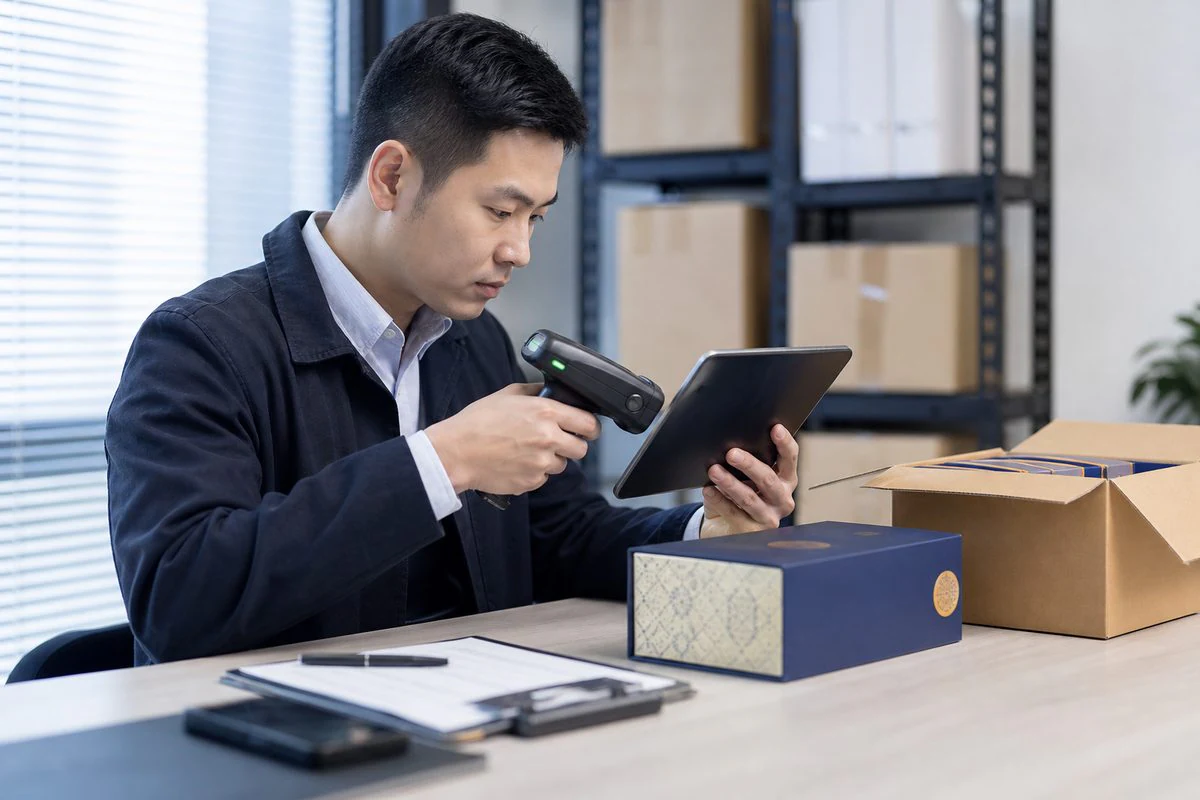
The labels are bound to the sole commodity, avoiding duplication or misbelief.
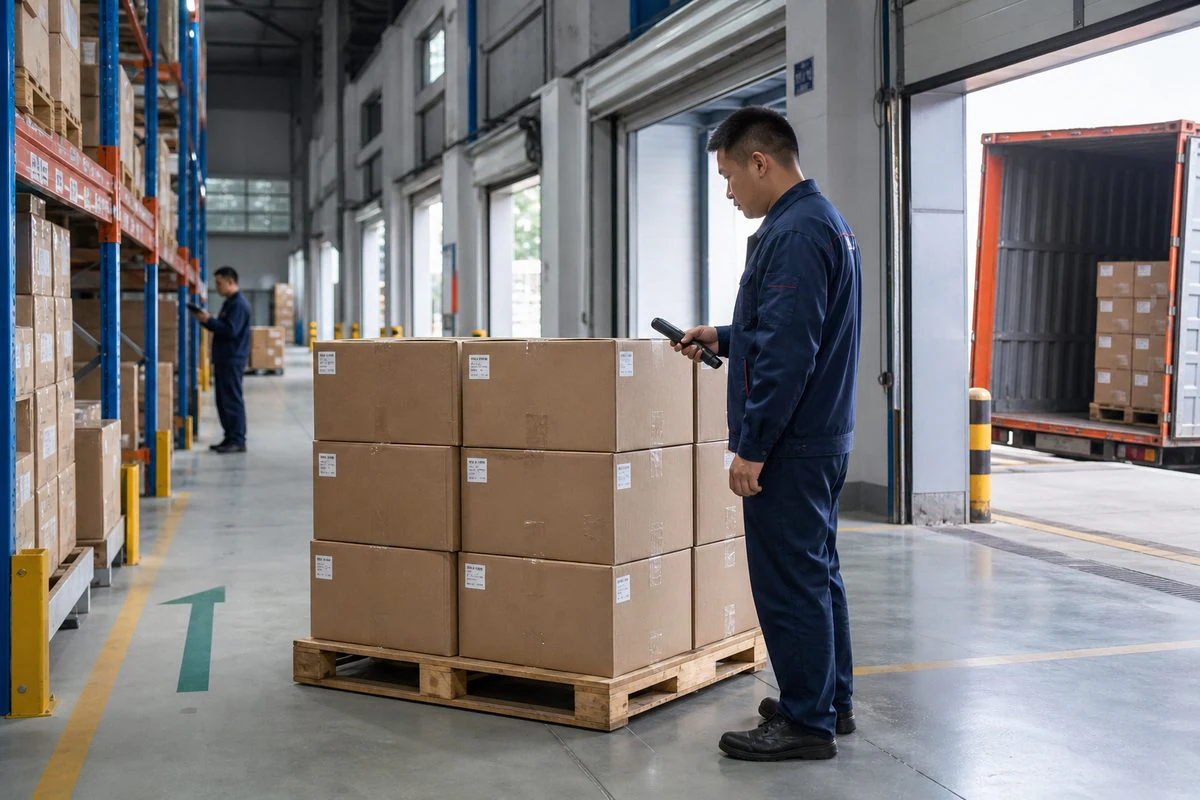
Recording of the examiner, time, batch, results and unusual information.

Recording of commodity entry, exit, storage, order and logistics information.
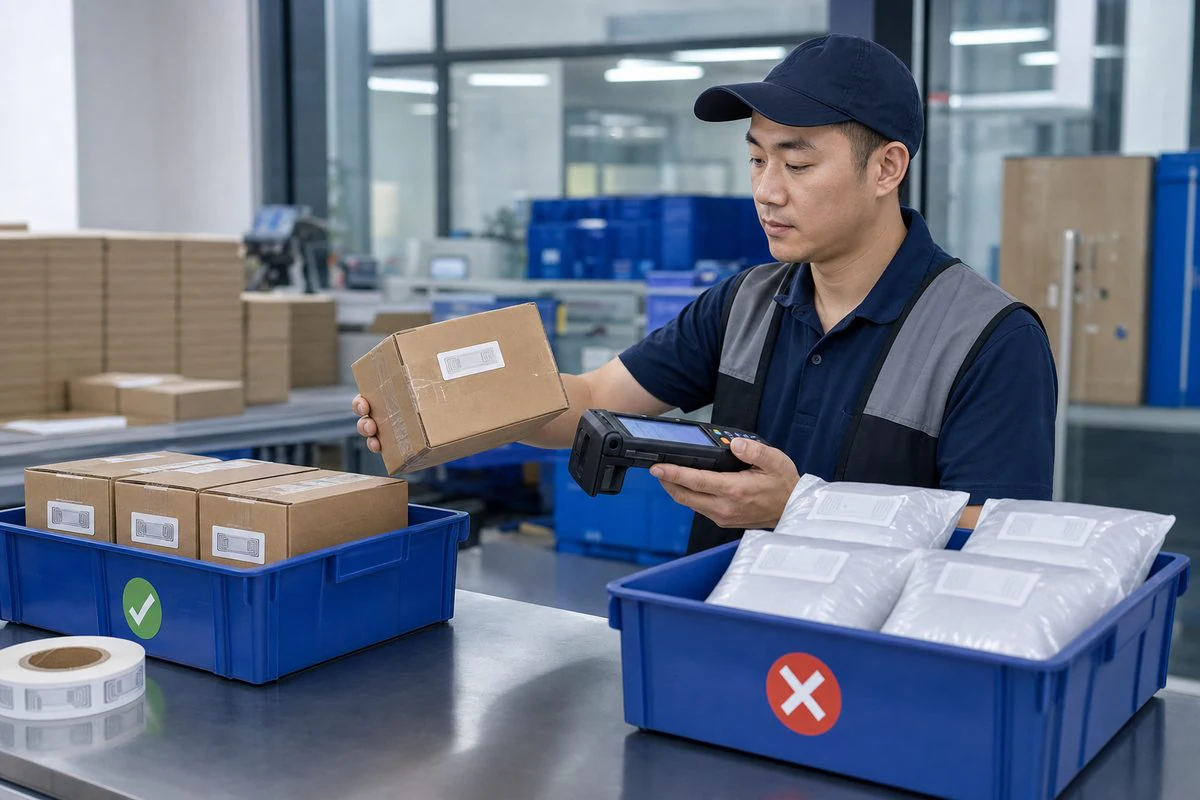
Check label identification, orders and movement, and identify unusual goods.
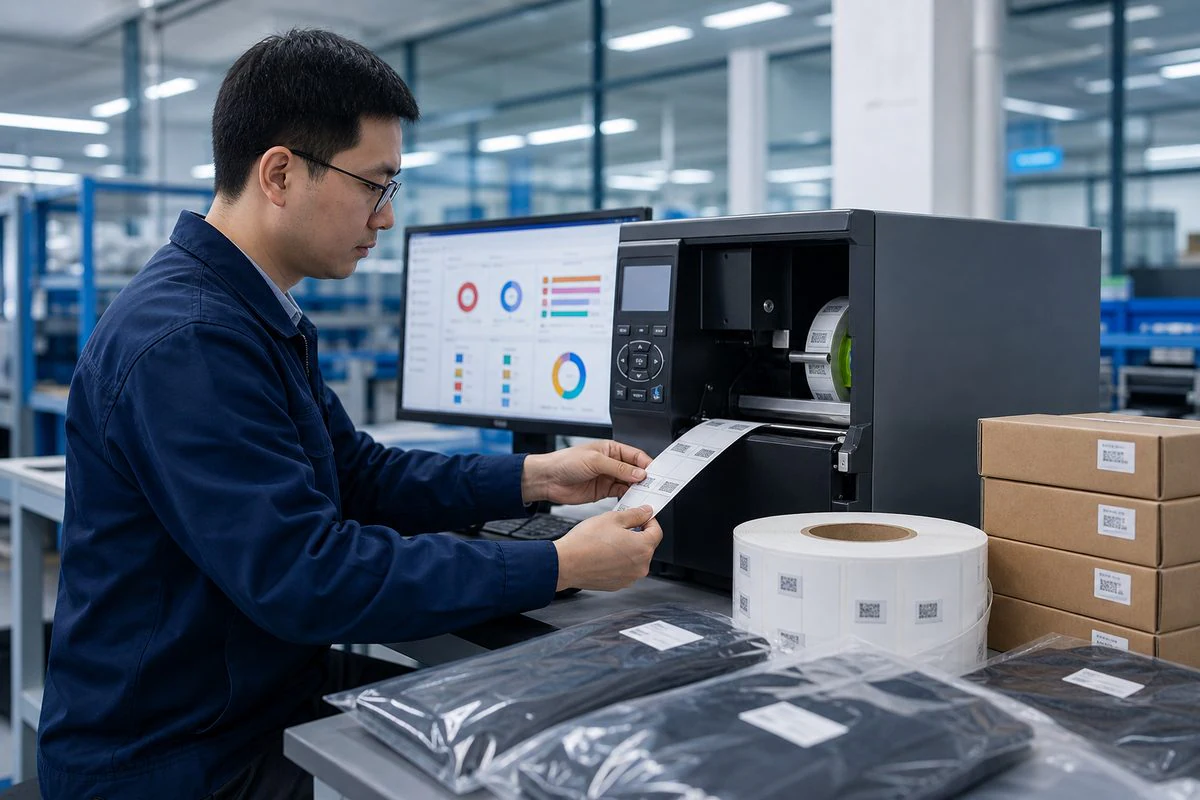
Check original orders, search flow records and register the results of the return disposal.

Bulk inventory, statistical data on surplus, deficit and operations.
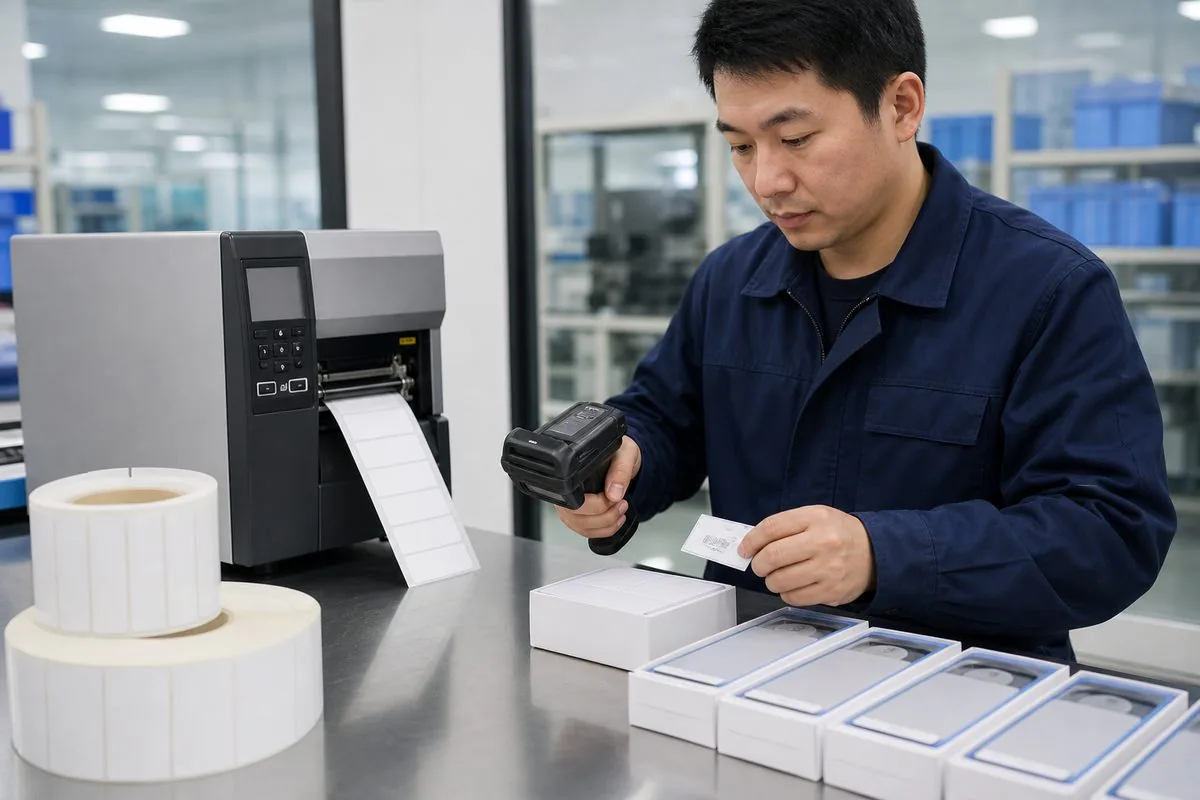
Generates a unique EPC code, completes tag printing, writing and commodity binding.
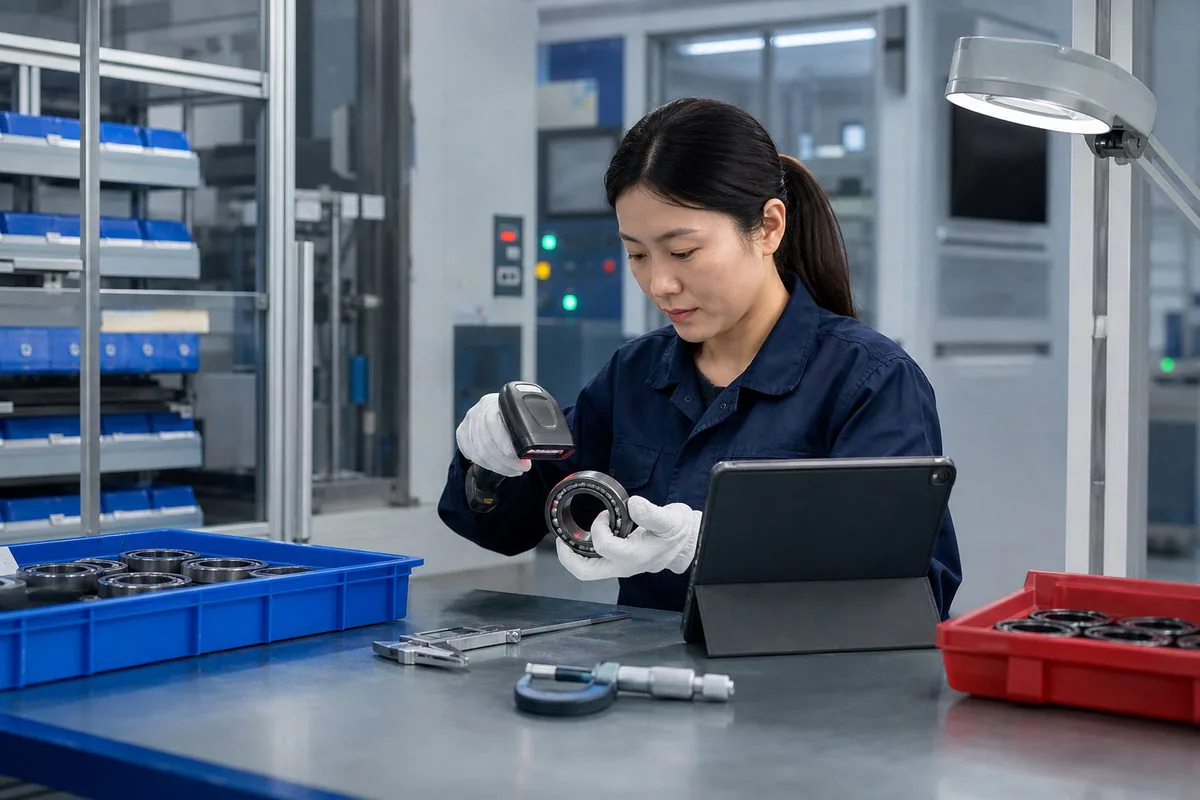
Read the labels of goods, record the quality examiners, time, batch, results and unusual information, and automatically restrict the flow of the goods that are not eligible.
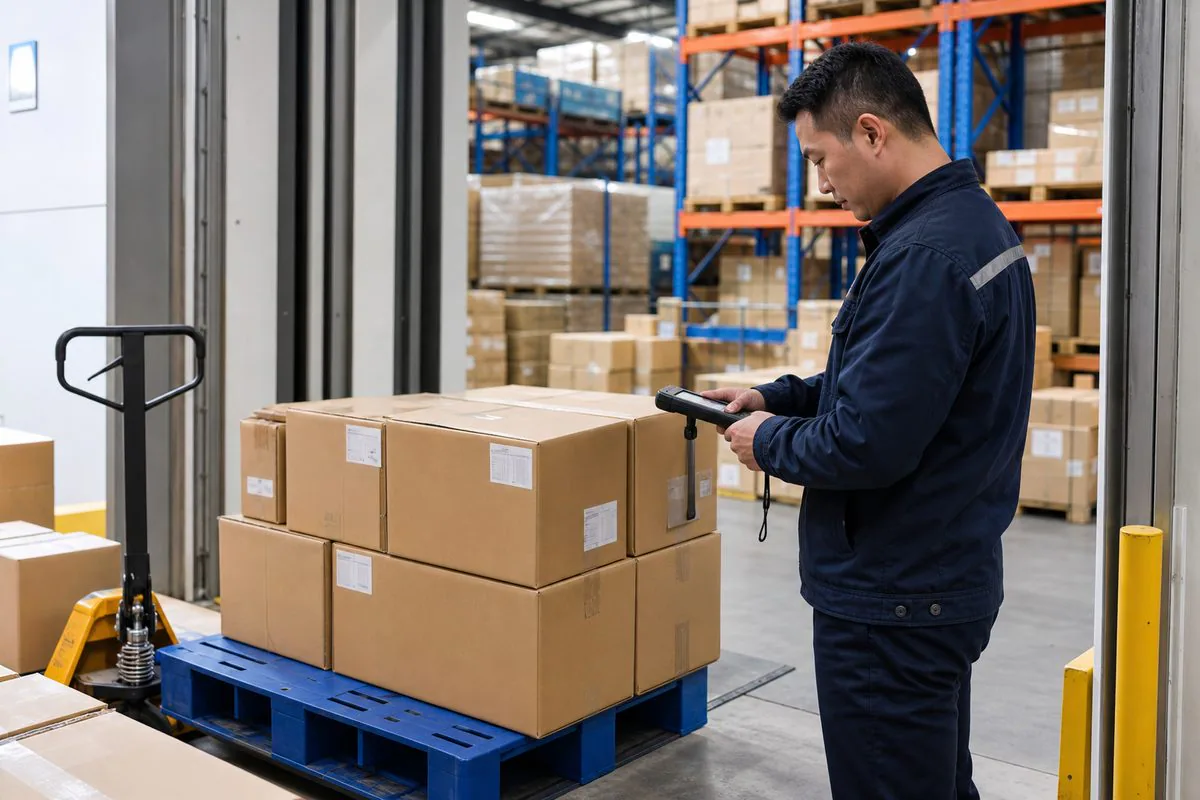
Batch reading of commodity labels, checking of goods, quantities and quality, recording of warehouse, warehouse and operational information.
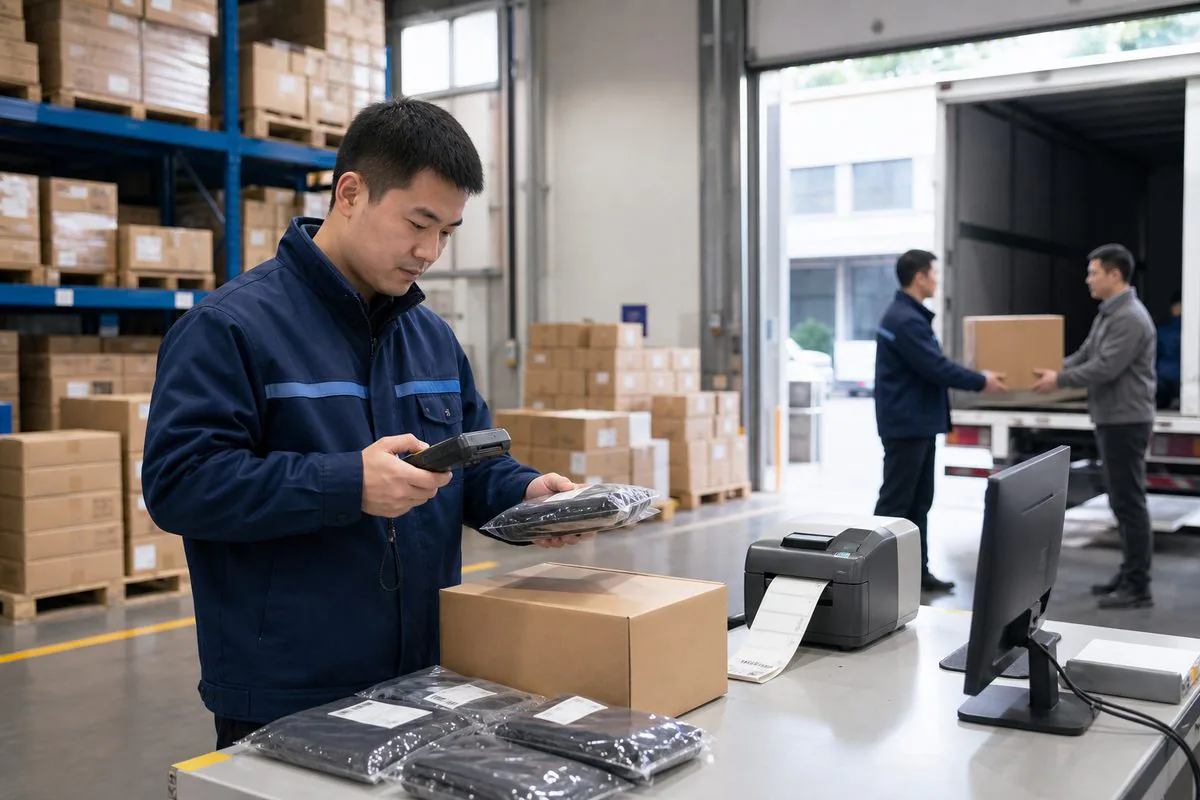
The goods and quantities are verified in bulk on the basis of sales orders, and the associated orders and logistics information are completed after the release of the bank.
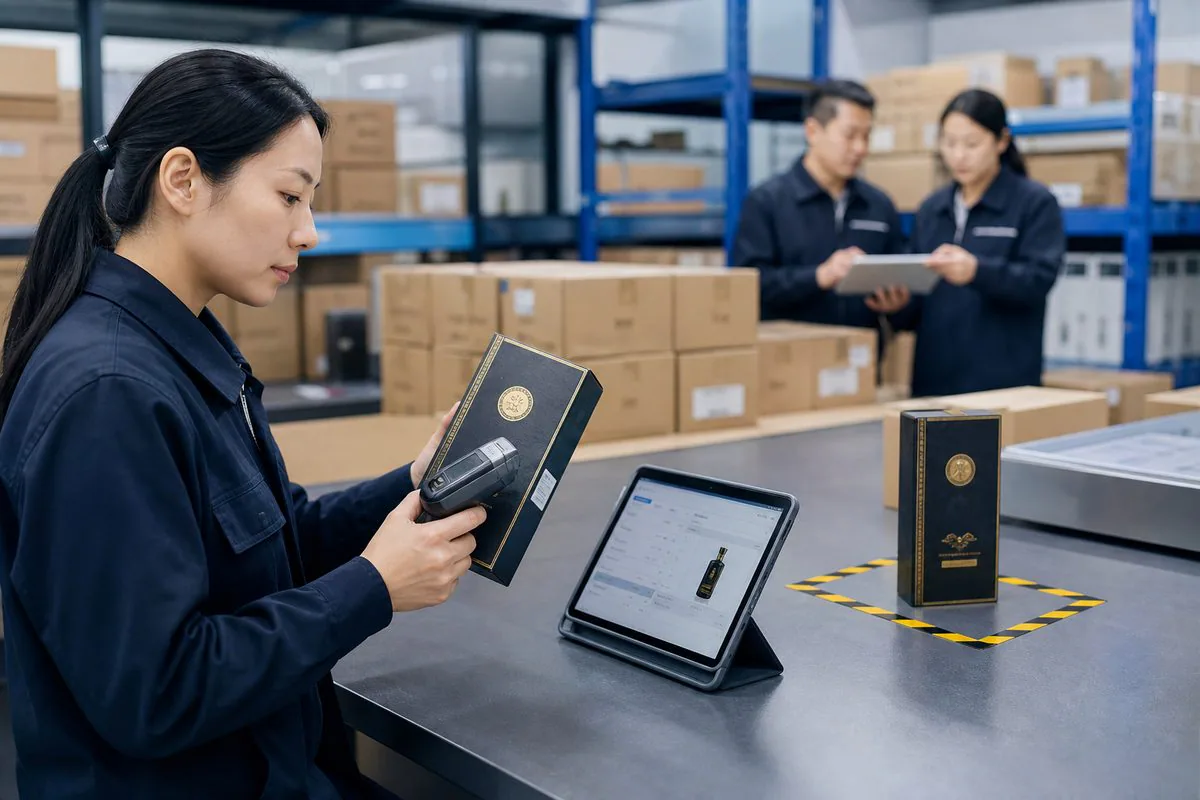
Reads the labels of goods, checks the identification of goods, orders, movements and historical records, identifies counterfeits, strings, re-marks and unusual goods.
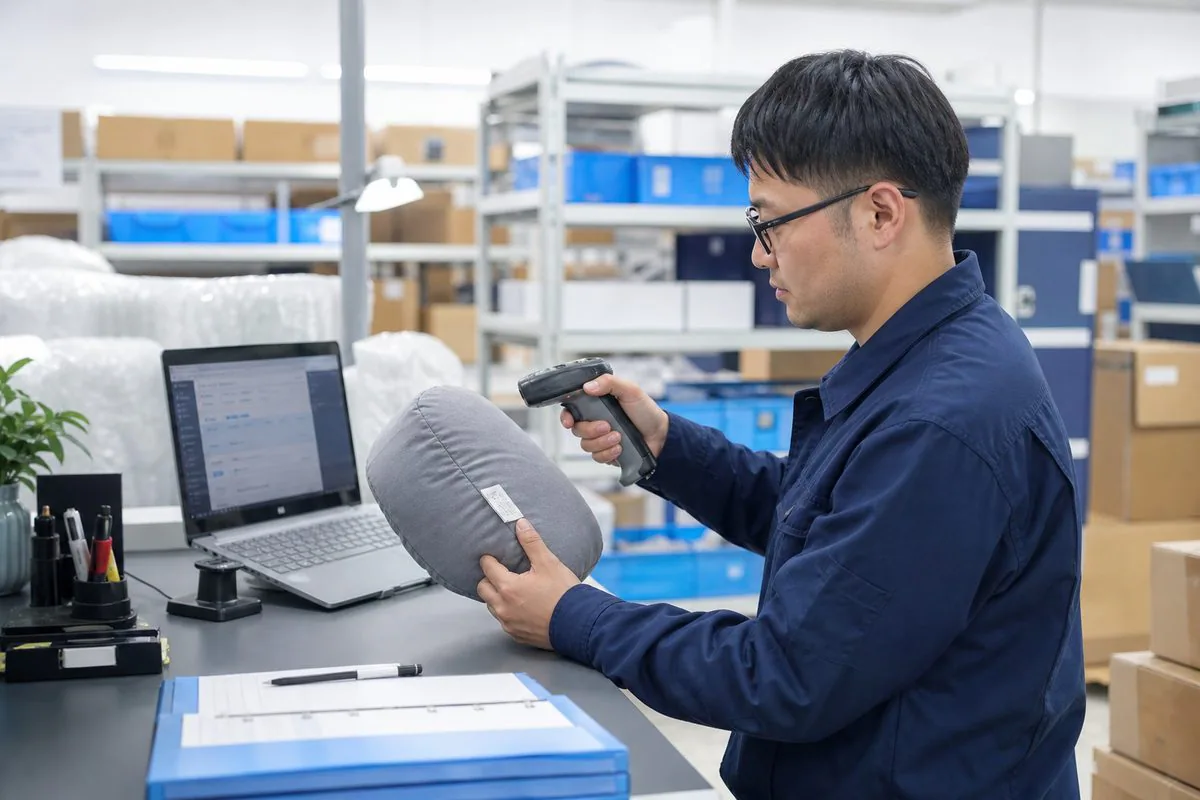
Check returned goods and original orders, check historical flow records, register the reasons for the return, the results of the check-ups and the status of the disposal.
Establish a single RFID identity for each commodity, with a single size and a single-unit distinction for the same commodity.
Multiple verifications are conducted in conjunction with the EPC, TID, commodity files and historical currents, and counterfeits and abnormal labels are quickly identified.
Associated sales orders, channel areas and inventory records, identifying cross-regional swabs, non-order refunds and malicious exchange.
Consistency of labeling, production quality control, storage logistics, marketing and after-sales, to create a complete life-cycle profile of the commodity.
Recording of commodity batches, quality examiners, operating hours and results, providing a basis for accountability for quality problems and post-sale disputes.
Access to RFID, through non-contact batches, to improve the efficiency of inventory, inventory and return verification, and to reduce leakage, error-cleaning and inventory discrepancies.
RFID gives every pair of shoes a unique digital identity that links quality inspection, inventory, orders, logistics, and returns end to end.

Related System
Links products, tags, documents, and inventory through a unique RFID identity, supporting label generation, inbound and outbound verification, stocktaking, and item-level EPC traceability.
The following is a common hardware package for the programme, with the actual configuration being flexiblely configured in accordance with the project landscape, business processes and the field environment.

Select adhesive, flexible, anti-metal, or tamper-proof labels according to the product packaging, material, and application environment.
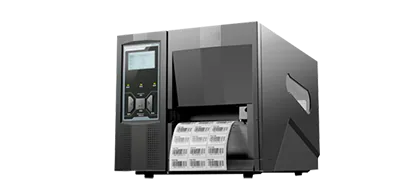
For mass printing and writing RFID Tag, the commodity coding, initialization and validity of labels are completed.
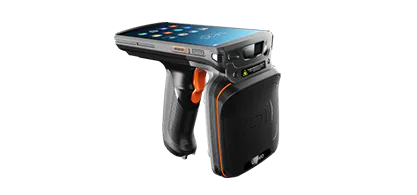
For commodity binding, quality-checking, inventory, inventory, exit, return and on-site verification.
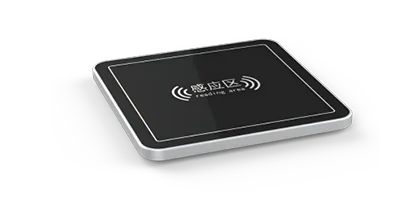
For individual commodity label binding, information reading, forgery proof and after-sale operations.
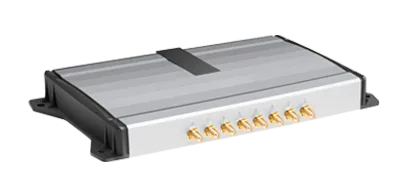
Automatic collection of commodity tagging data by deployment on production lines, warehouses or operational nodes.
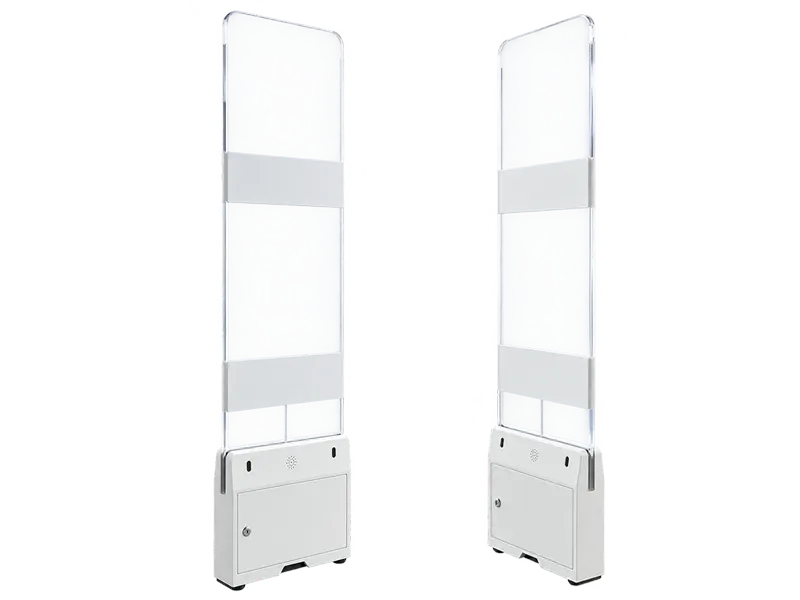
For bulk access to commodity depots and circulation nodes identification, less manual case-by-case sweep codes.
The system generates unique RFID codes for each commodity and binds them to the goods, batches, orders and business records, creating a separate digital archive.
RFID Tag can be combined with unique code, back-office database and verification records to assist in identifying abnormal goods.
The system can bind the goods to the authorized area, distributor, order or destination, and generate unusual records when the actual verification of the area is inconsistent with the authorized information.
QR codes are suitable for consumer inquiries and individual item scans. RFID supports contactless batch reading and is better suited to data capture in production, warehousing, and distribution. The two technologies can also be used together.
Contact Us
Tell us about your business scenario. We can help define the right tags, hardware, platform, and deployment approach.