RFID Tag
The sole electronic identity of the material, the cargo container or the pallet, the associated item code, batch, storage position and operational status.
Solution Detail
Digitize and automate receiving, shipping, inventory counts, transfers, and bin management with end-to-end traceability.
Request a ConsultationThe sole electronic identity of the material, the cargo container or the pallet, the associated item code, batch, storage position and operational status.
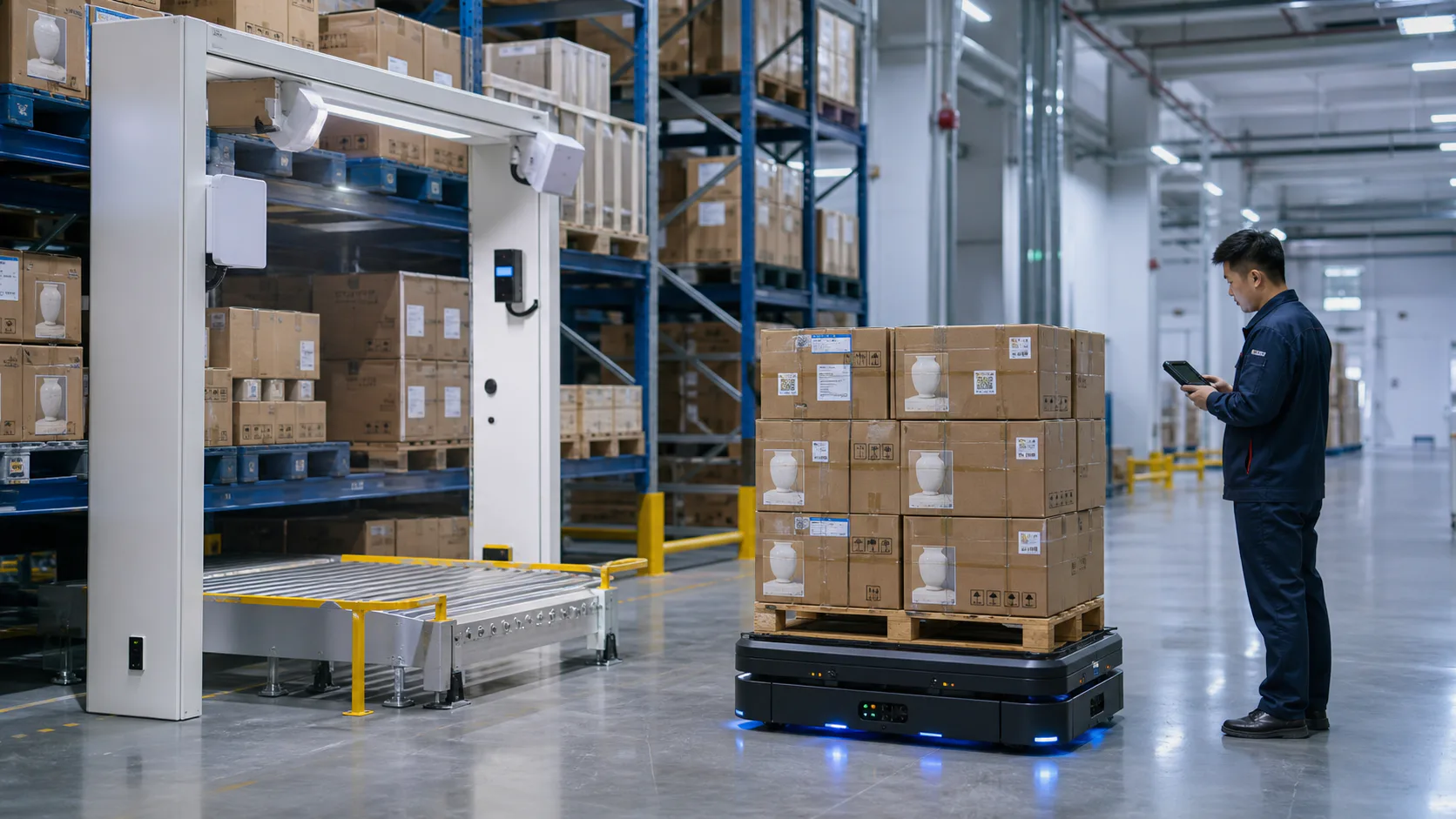
Information on the site labels is collected in bulk through handheld machines, scanning channels, tunnel machines or shelf antennas.
Processing of operations such as inventory, inventory, inventory, early warning, statistics and traceability.
Receive procurement, warehousing, access, inventory instructions and feed on-site implementation results, discrepancies and anomalies to the operational system.
Manual entry or a piece-by-case sweep, which is easily misrecorded, leaked and duplicated.
Documents are not automatically matched to physical items and are prone to multiple, low or miscalculated.
The warehouse and storage of the material is unclear and difficult to locate and trace.
The time and effort involved in the case-by-case inventory will require manual collation of the discrepancy data.
The lack of clarity about the condition of material being transferred, in transit and in transit affects the accuracy of the inventory.
There is a lack of complete flow records for labels, documents, locations, people and time.
RFID+Network + Software platform to build a full-storage digital management system to achieve accurate, efficient and traceable smart warehousing
PC backstage Zero Mobile/PDA Data Viewer 3-D Visualization
Operational processing of the interface between the inventory verification equipment management system
4G/5G|S2-Secure transmission of industrial Wi-Fi-Ethernet
RFID Tag | reading and writing equipment | environmental sensor | data collection
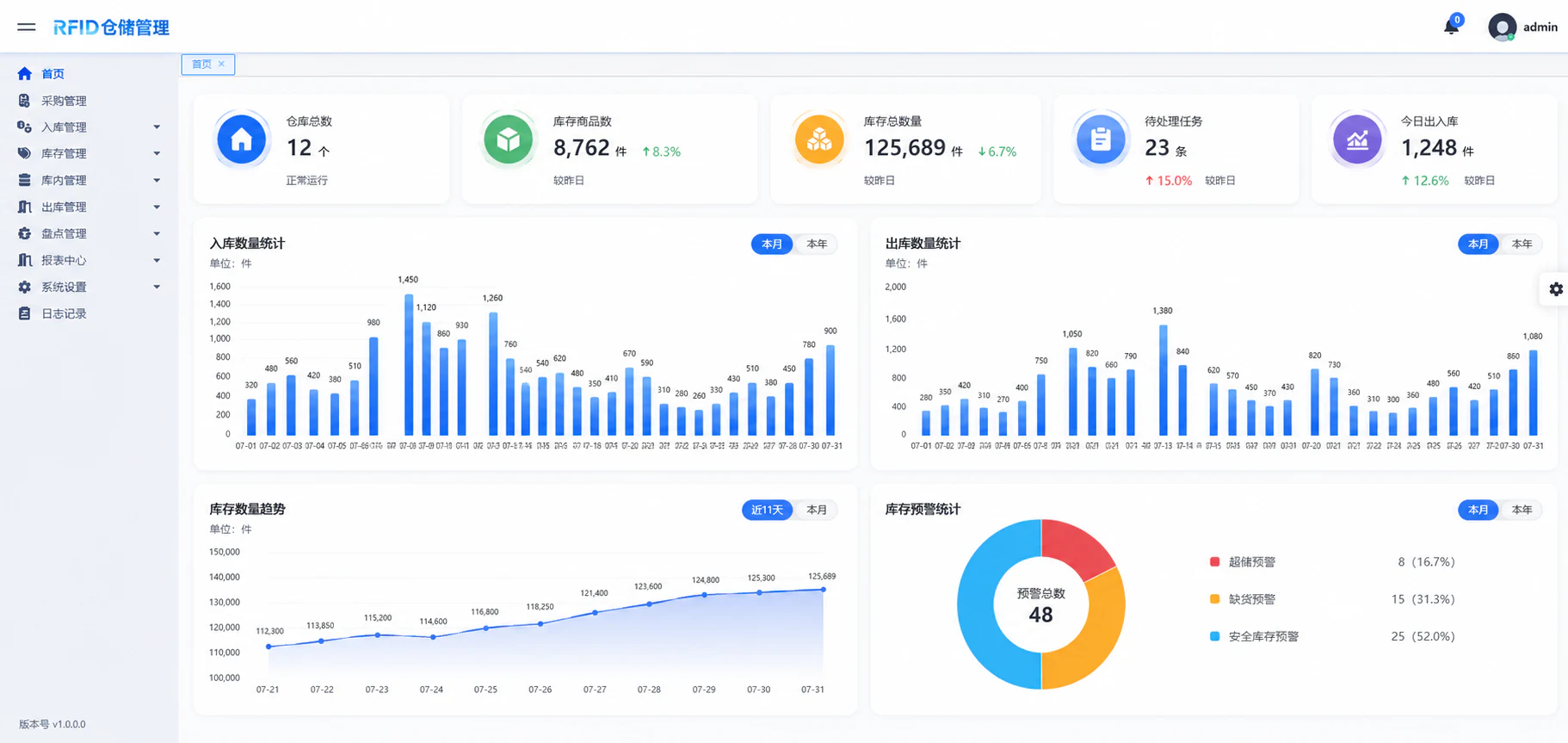
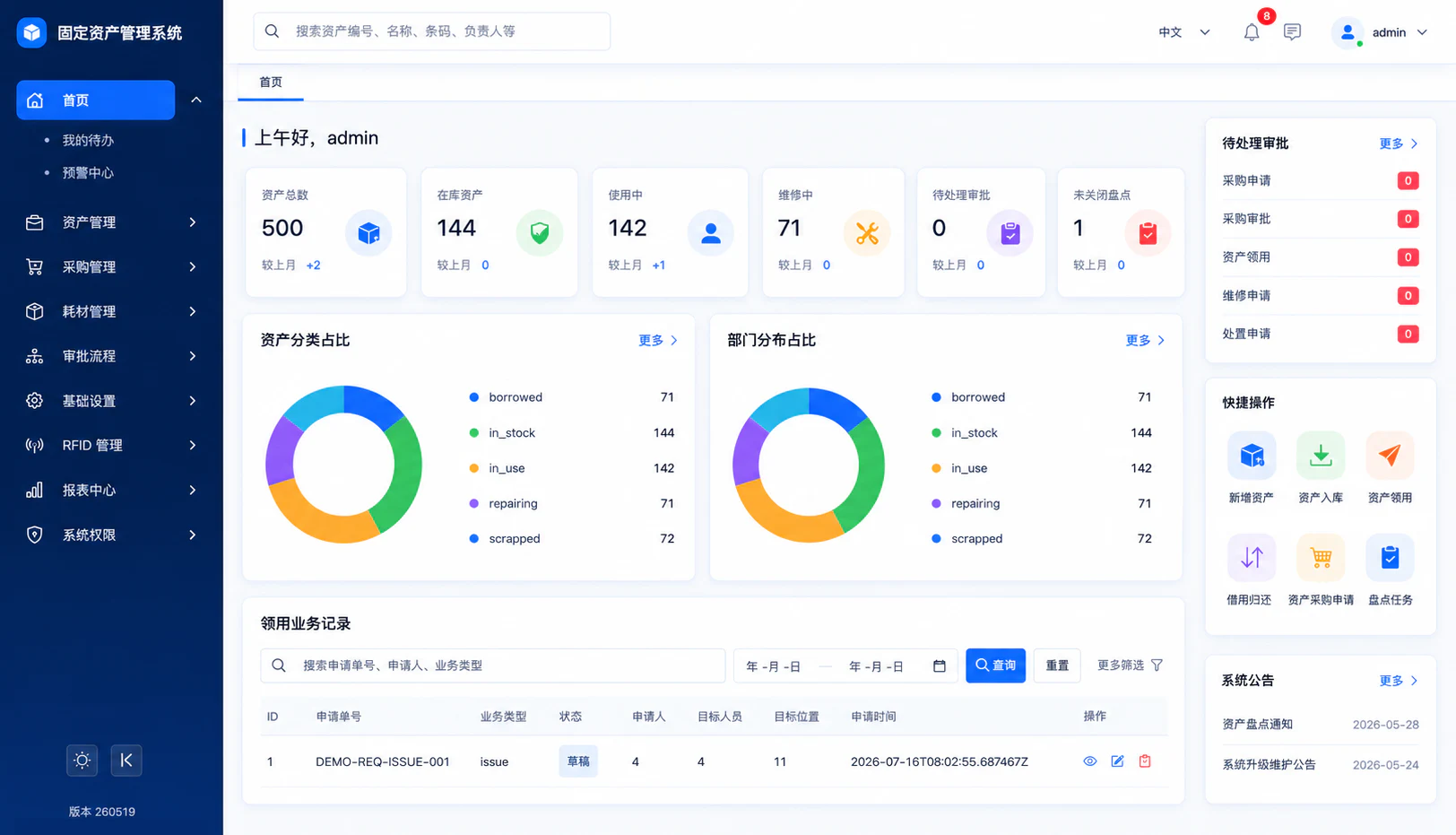
Data board, anomaly list, inventory overview, real time warning

Operations, report viewing, data analysis, system configuration and management
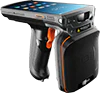
Task acceptance, warehousing, exit, inventory, binding, AGV movement, location selection, real-time verification

Integrated management of materials, suppliers, warehouses, storage areas and storage sites and establishment of a standardized warehouse data base.
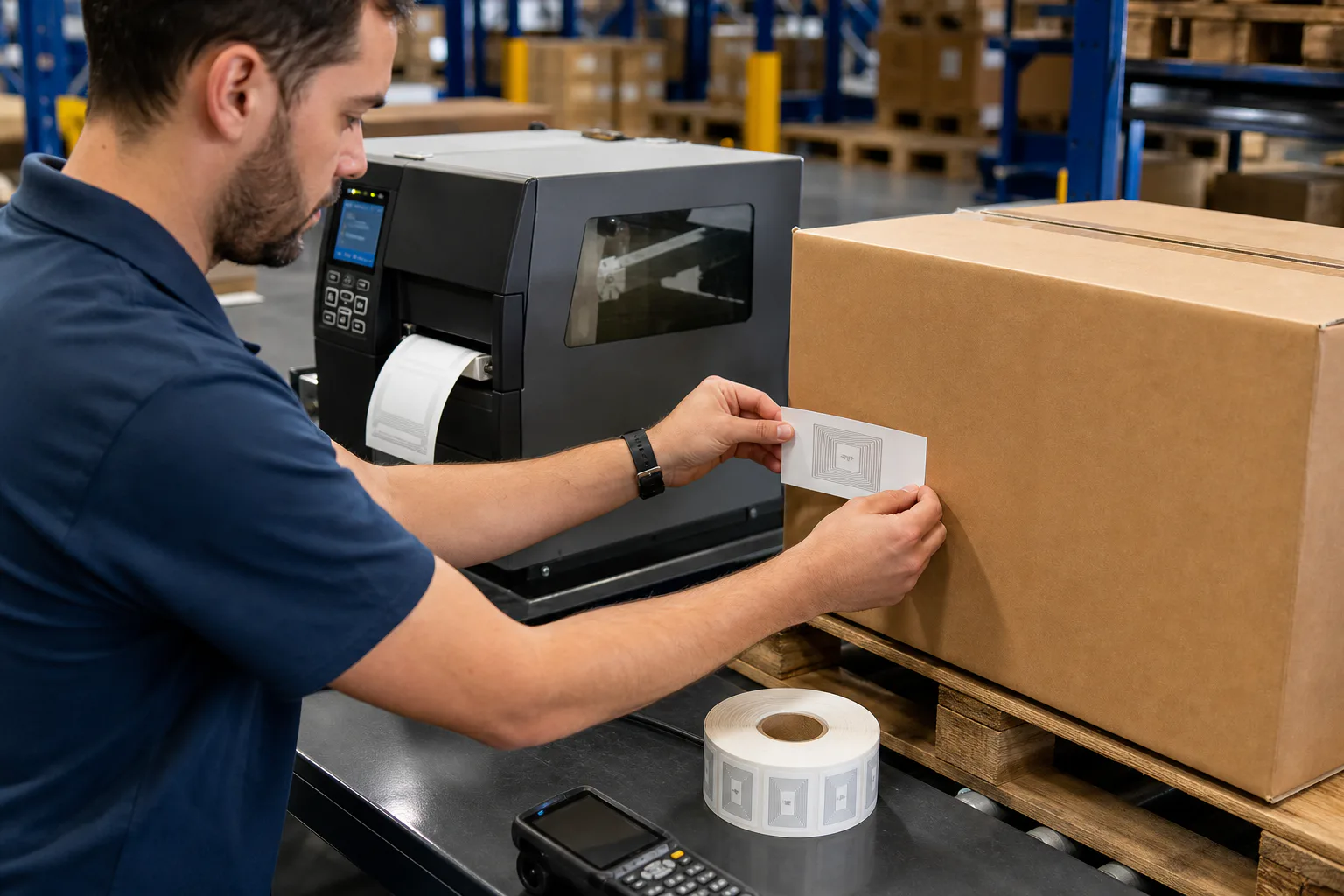
Supports the generation, printing, writing, binding, retorting, untie and status-traceable, and the classification of individual goods, containers and pallets.
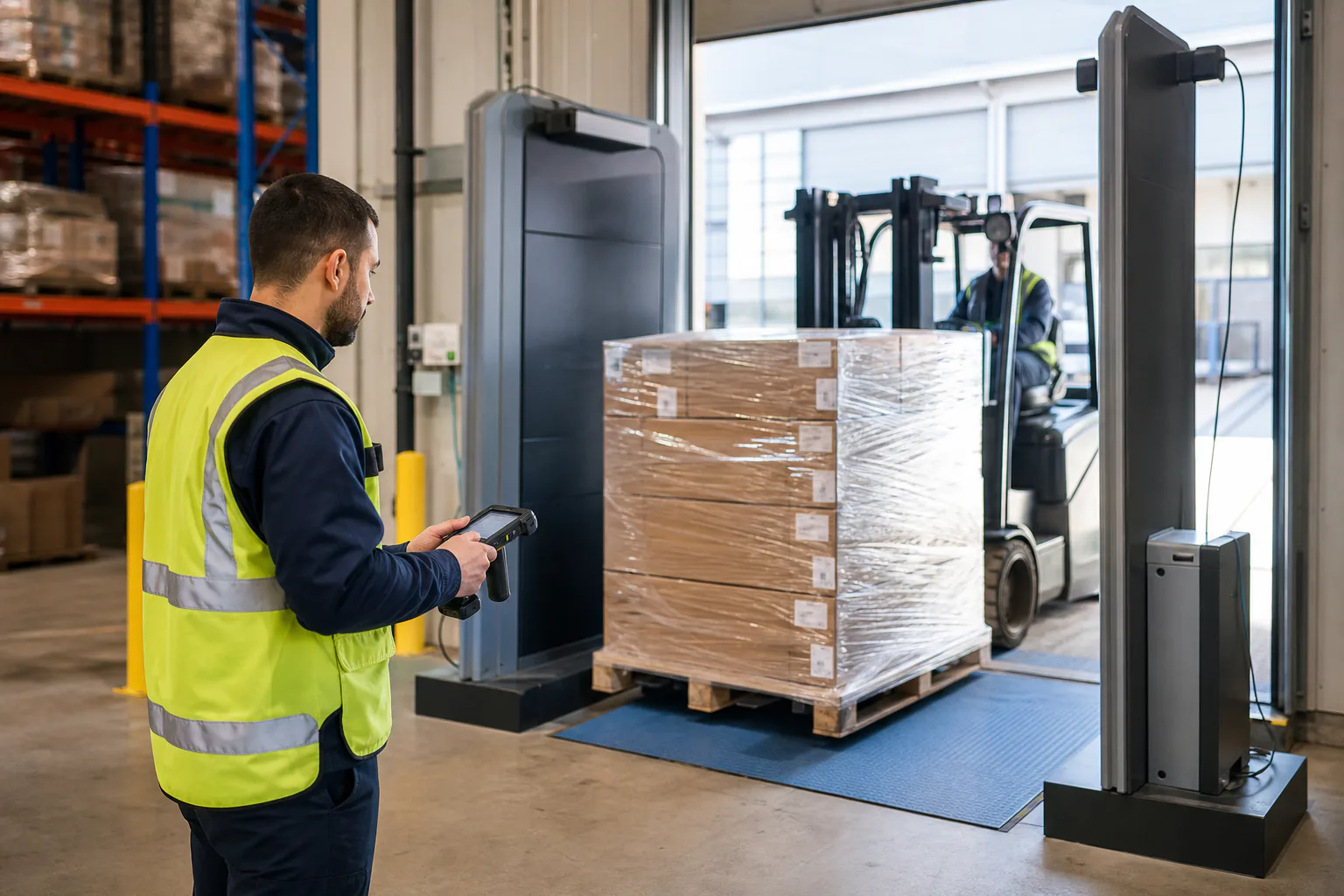
Mass recognition of cargo material, automatic checking of information on the tasks, quantities and labels, and completion of the distribution of the storage and stock update.
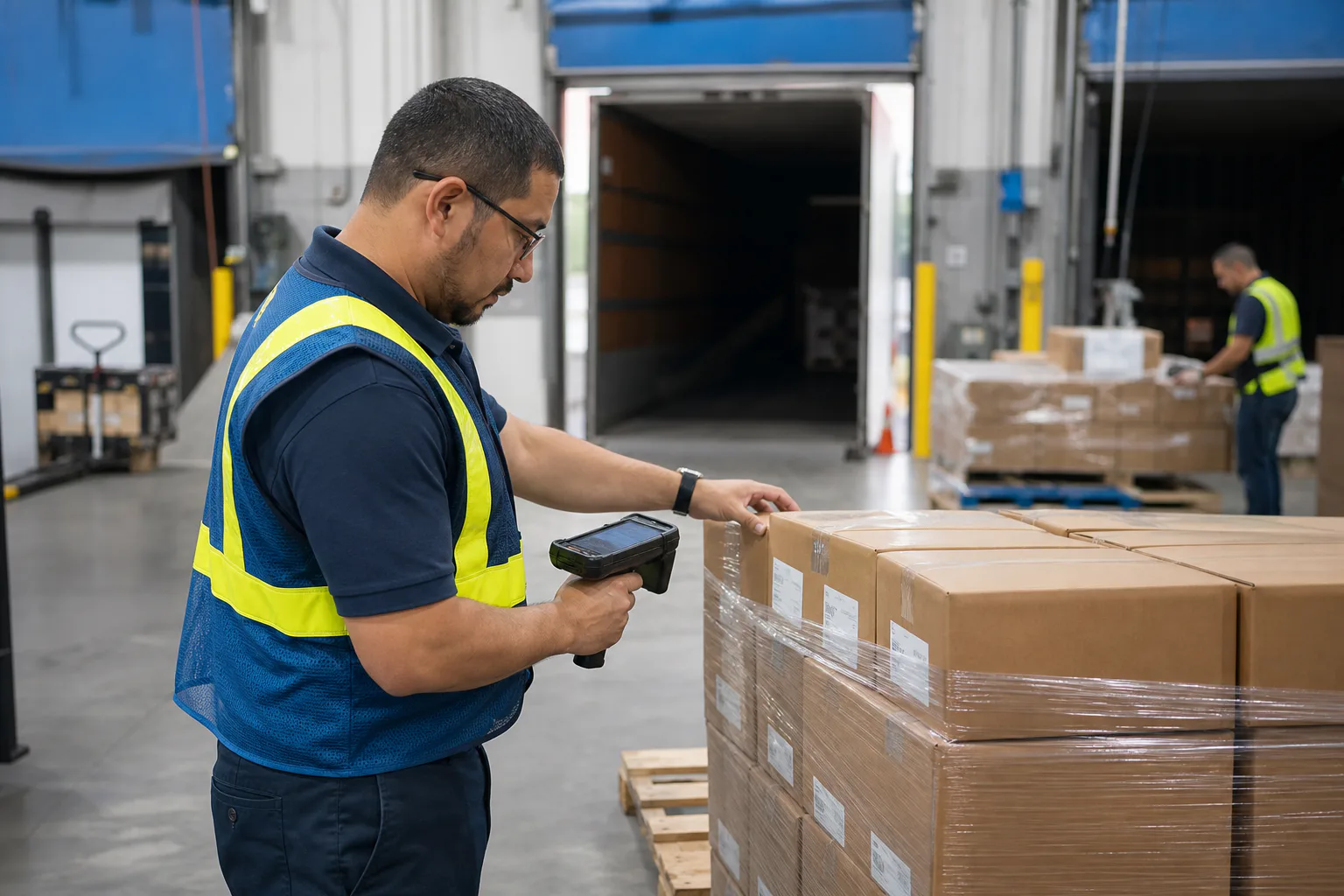
Collections and reviews are conducted on the basis of the release task, with real-time tips for multiple, less, missorption and abnormal labels.

Support for warehouse adjustments and cross-ware transfers, recording of outward, in-transit and in-transit movements, and real-time updating of material locations.

Collecting material in bulk through handheld machines or shelf antennas automatically generates the balance, loss, misposition and abnormal results.
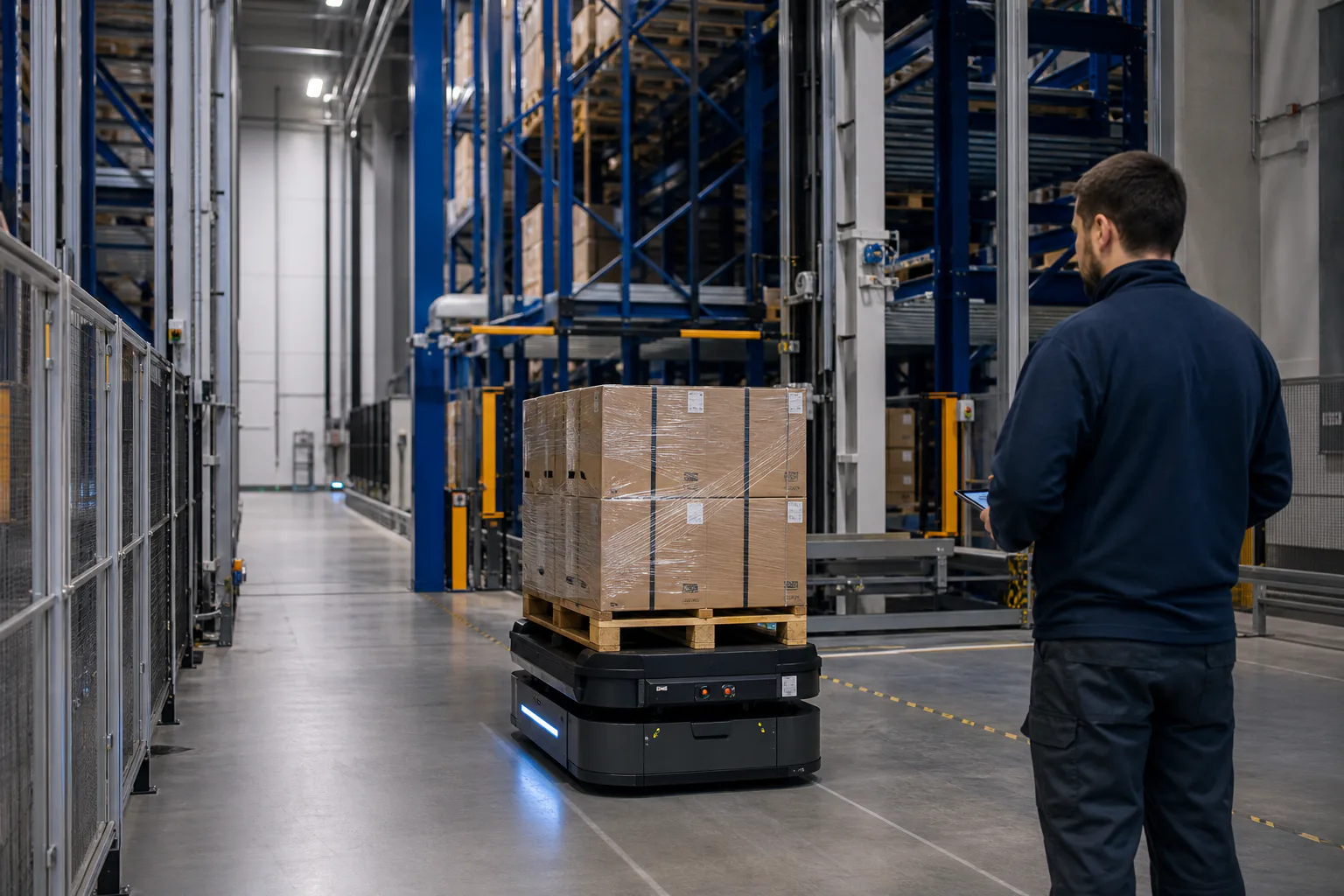
Autocall AGV for inventory, out-of-house and migration library tasks, assign removal tasks and target storage, track implementation status in real time, and achieve automatic material removal and up-to-down co-ordination.

Real-time access to stock, storage and material status, early warning of inventory, operational statements and retrospective analysis, and support for ERP, WMS and WIS interfaces.
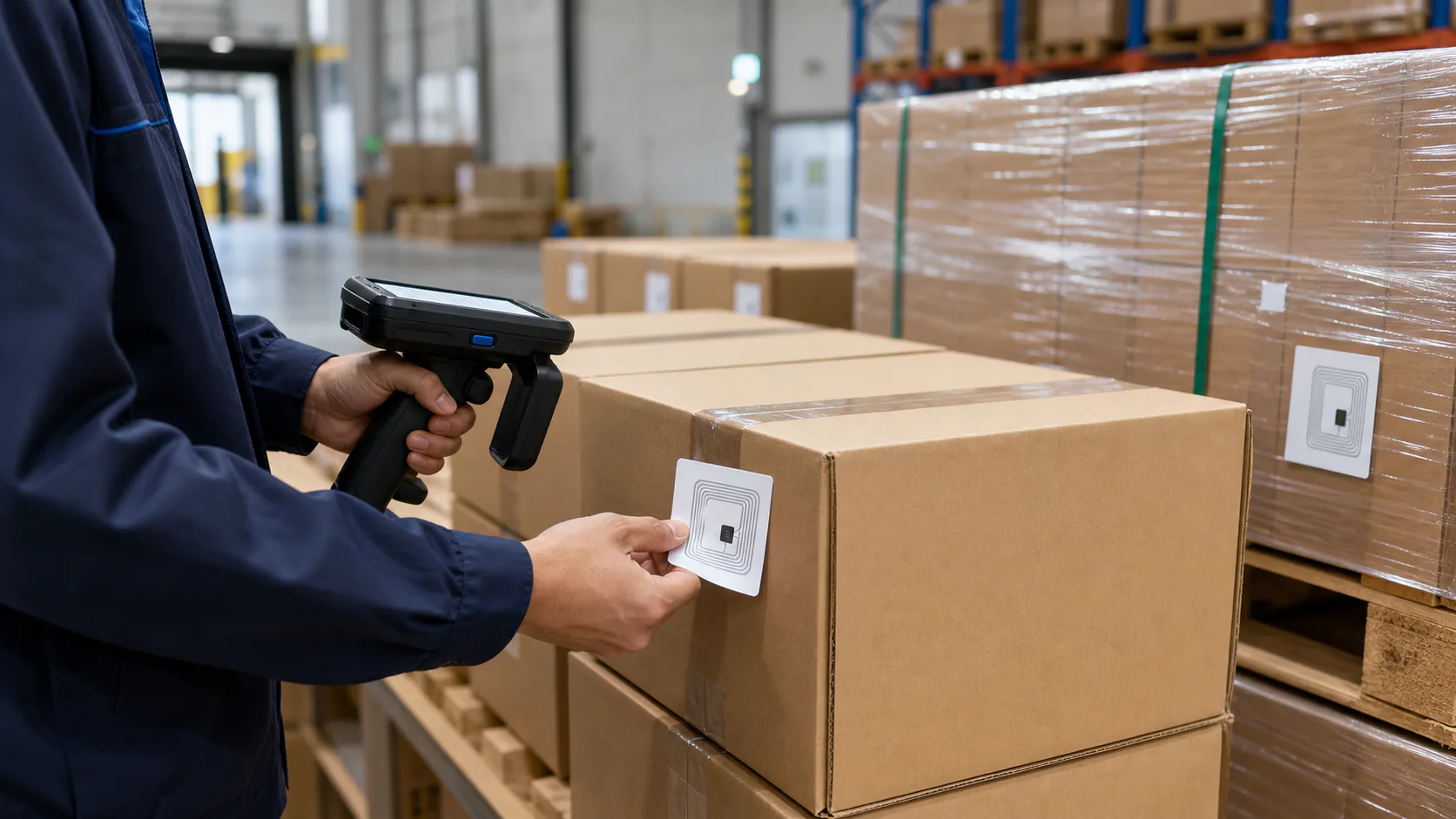
(b) Obtain material information from ERP or WMS, complete tag numbers, printing and data validation through RFID printers and bind to single goods, cargo containers or pallets.
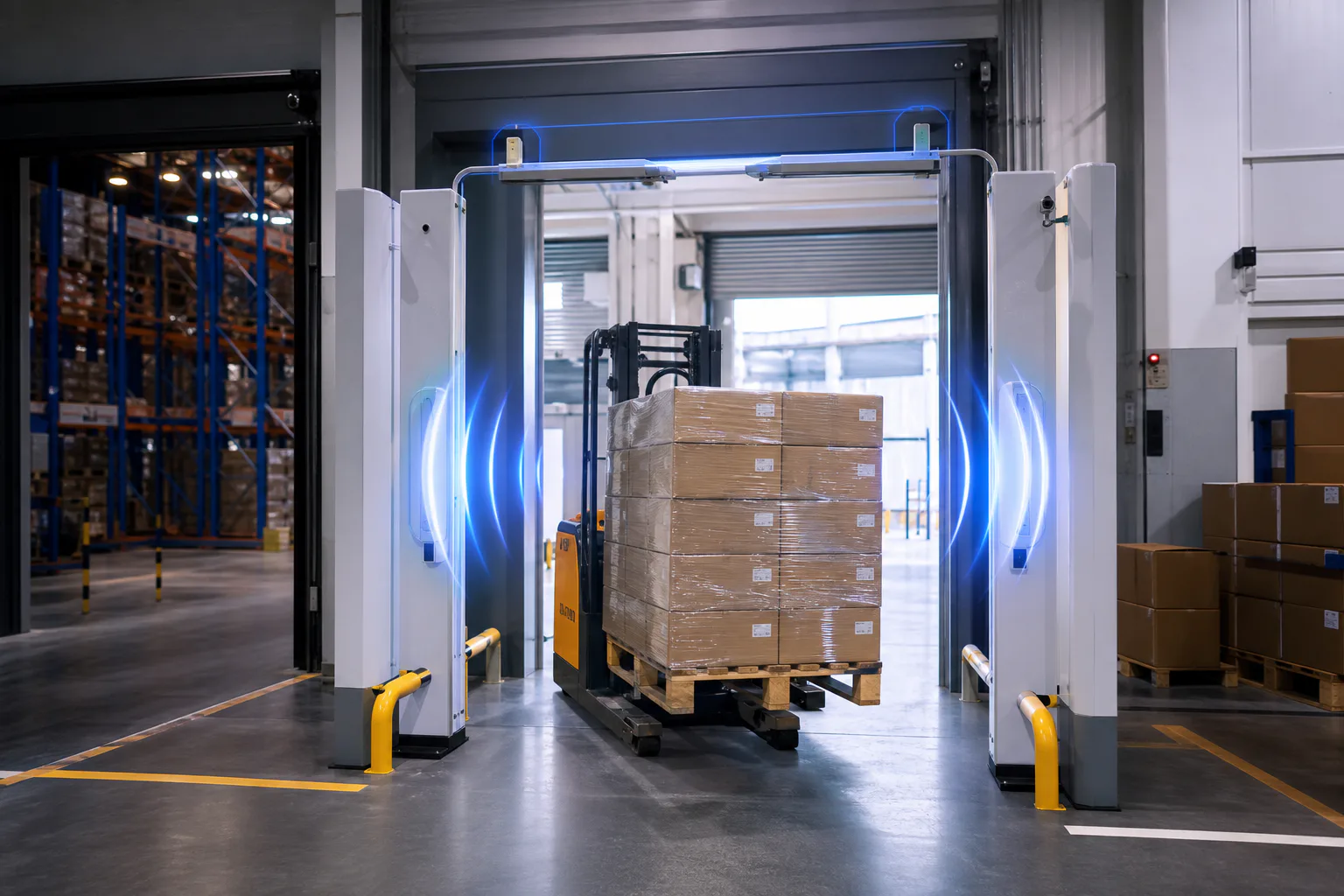
The bulk identification and quantity reconciliation, the connection of AGV to the removal, storage distribution and up-to-date, and the automatic updating of the inventory.
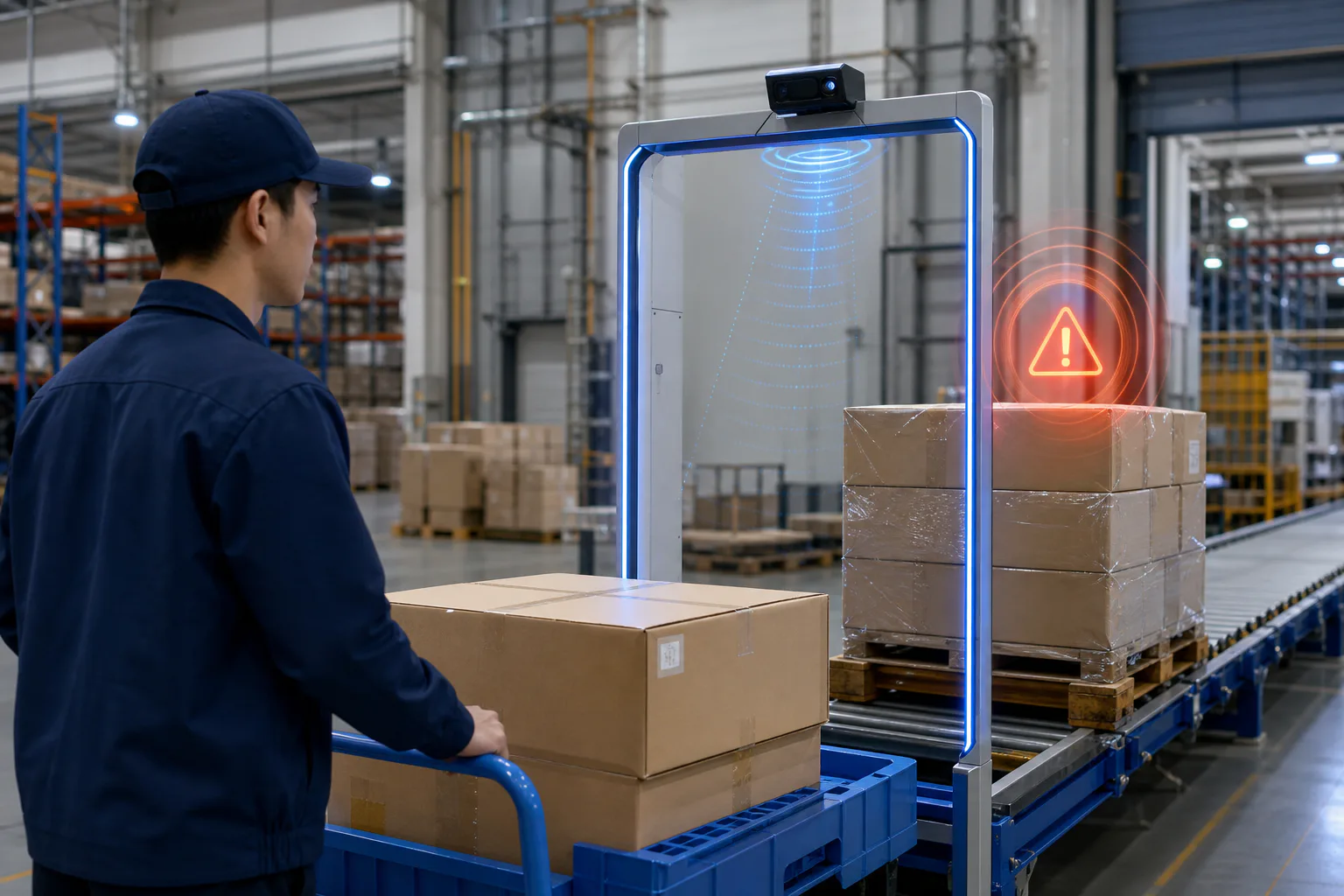
Based on the mission, the material was located and identified, the ANV was moved in connection with the inventory review was completed through the handheld or scanning corridor.

Identification of original storage, material and target storage, movement of AGV to the fully moved repository and tracking of movement, in transit and in-transit status.

The RFID handheld reader is used to read the contents of the library in bulk, automatically matching the book inventory and to generate quick disk gain, loss and misplace results.

Real-time queries on the quantity of materials, warehouses, storage positions and label status, and historical changes are traced through documents, labels and flow of water to and from the reservoirs.
Use of RFID batch recognition capability to reduce the number of case-by-case sweeps and manual registrations.
The business documents are automatically compared with the field scanning data, and timely reminders of abnormal material and quantity discrepancies are provided.
Inventory data are in real time linked to warehouses, storage locations, labels and operational status.
The inventory is completed in bulk using a handheld terminal or a fixed reading device and automatically generates a difference.
Electronic tags allow for material information, location, access to the library records and operators.
The basis for the procurement plan and the redeployment of the inventory is provided through inventory statistics, access to the reservoirs and summary statements.
Related System
Supports the entry, exit, storage, batch, inventory and WMS / ERP data docking.
The following is a common hardware package for the programme, with the actual configuration being flexiblely configured in accordance with the project landscape, business processes and the field environment.

Material, cargo containers, pallet identification.
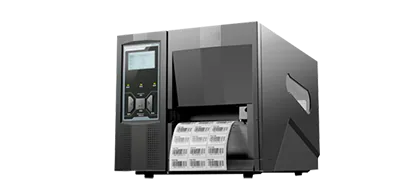
Finishs the tag encoding and printing.
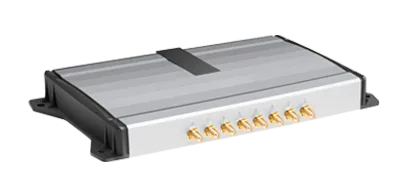
For warehouse site monitoring and bulk inventory.
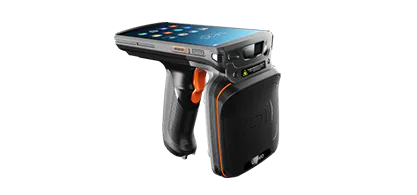
For mobile inventory and on-site verification.
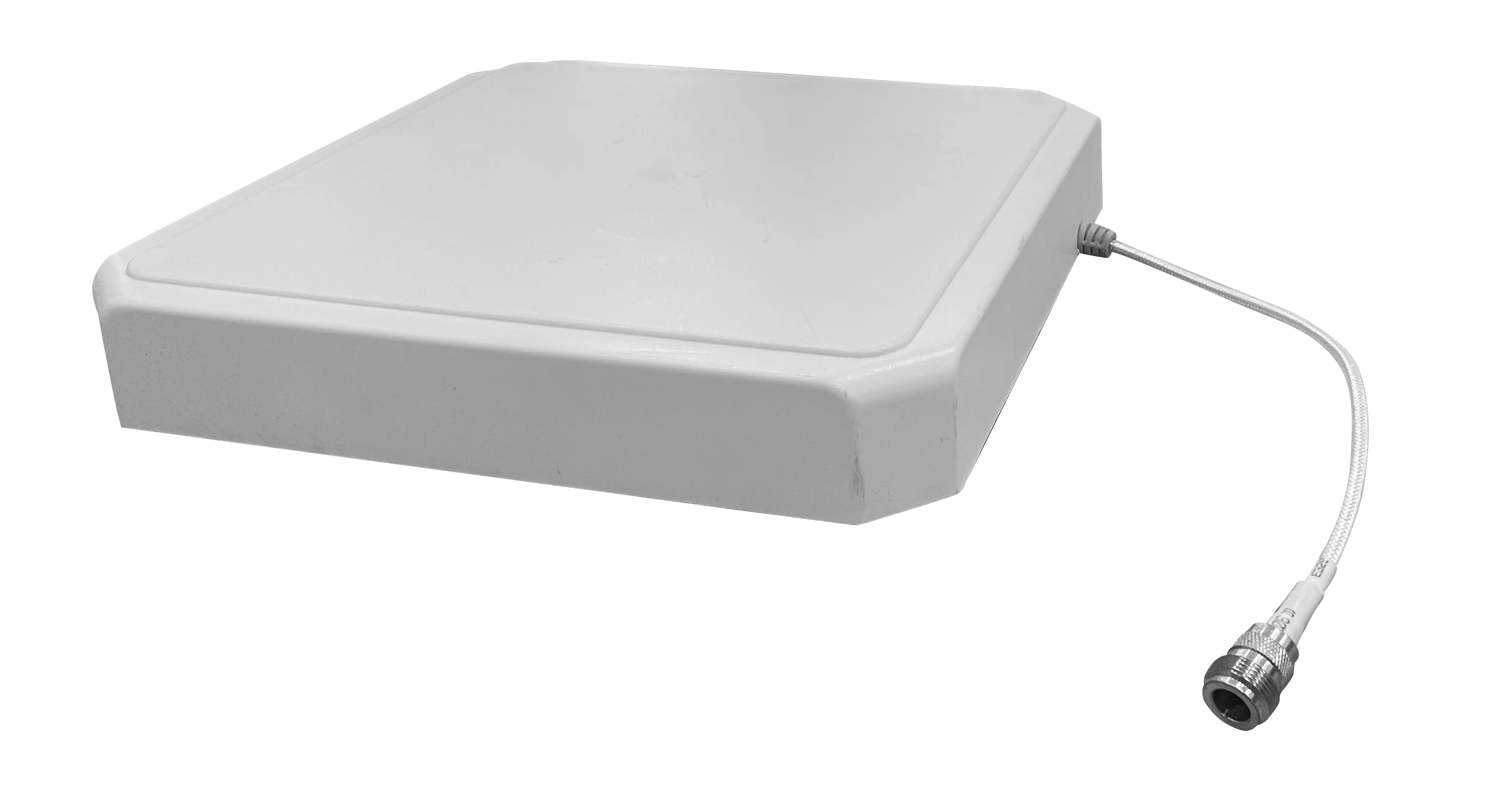
Cover the identified area to achieve stable reading.
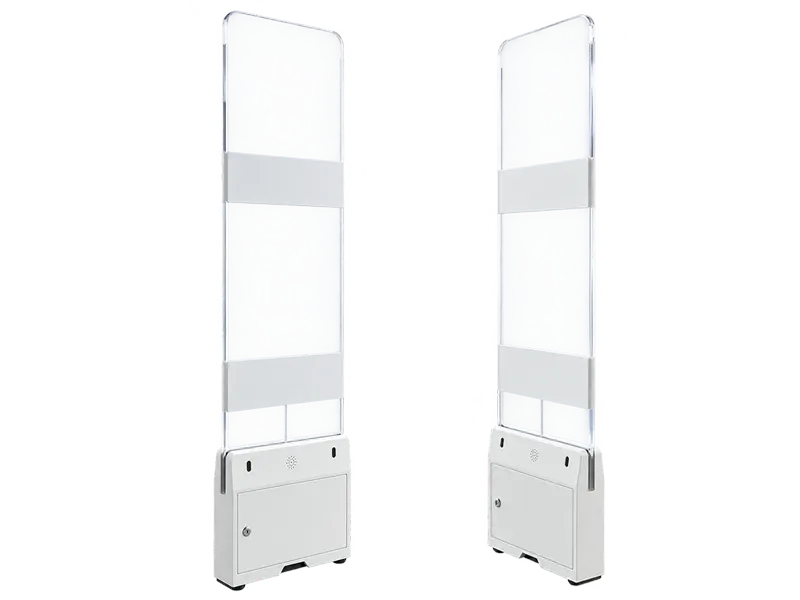
For automatic identification of warehouse channels.
The RFID system allows for data interface with WMS/ERP and enhances the efficiency of warehousing management through automatic recognition capabilities.
RFID reads multiple tags in batches without scanning each item individually, enabling faster inventory counts.
The main elements include RFID Tag, RFID Label Printer, fixed RFID Reader, antenna, handheld terminals and management software.
Contact Us
Tell us about your business scenario. We can help define the right tags, hardware, platform, and deployment approach.