
Client typePorcelain Production and Trading Enterprises
Case Detail
RFID Smart Ceramics Warehouse Project for a Shenzhen Manufacturer
The RFID Tags, fixed-reading and writing equipment, RFID handheld reader and AGV handling systems establish a unique digital identity for china goods, which allows for the verification of the inventory, automatic handling, storage monitoring, rapid search, inventory review and automatic inventory.
Access Program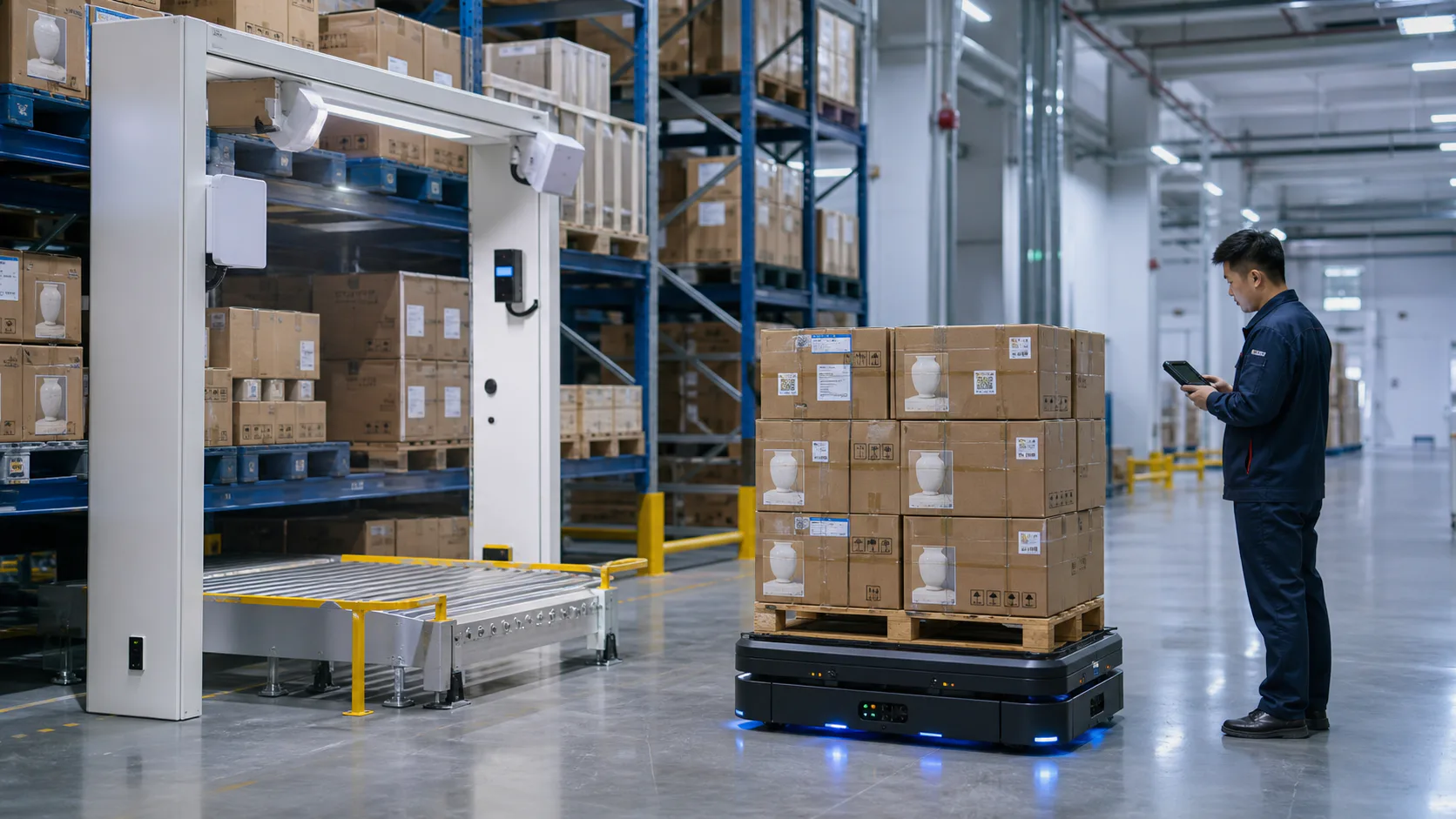
Project cycle2 months of customized development and localized deployment
Managed Assets• Quantum, packaging and pallet goods
Core applicationsRFID autovalidation + AGV moving + library monitoring + auto-counting
Client Background
The customer is mainly involved in the production, storage and sale of the china goods.
The customer wants to build an intelligent warehouse management system in conjunction with RFID and AGV technology.
Project Challenges
The cargo pile is in a mess. It's not clear.
There is a lack of uniform warehouse management, with the same goods being stored in scattered locations, less efficient in locating and mounting.
Inefficient check-in/check-out of access to the library
Manually checking the name, specification and quantity of goods, with many steps, and with a high risk of misreceiving, misissuing and quantity differences.
High manual removal costs
The need for more frequent loading, moving and outing of the valorized goods, with significant manual input, also increases the risk of collision and damage.
High inventory workload
The time-cycle of the inventory is long, and there is a risk of leakage, miscalculation and discrepancies.
Solutions
The project uses the overall program RFID Tag+ Fixed RFID Reader and antenna+RFID handheld reader + AGV+ Smart Warehouse Management System.
The RFID equipment automatically reads and checks goods at the time of entry into the library, sends tasks to AGV after the system has allocated the target repository position.
The warehouse-owned RFID equipment continuously monitors cargo in the warehouse and managers can also use handheld machines for search, inventory and unusual review, achieving automatic identification, automatic removal, real-time monitoring and stock updating.
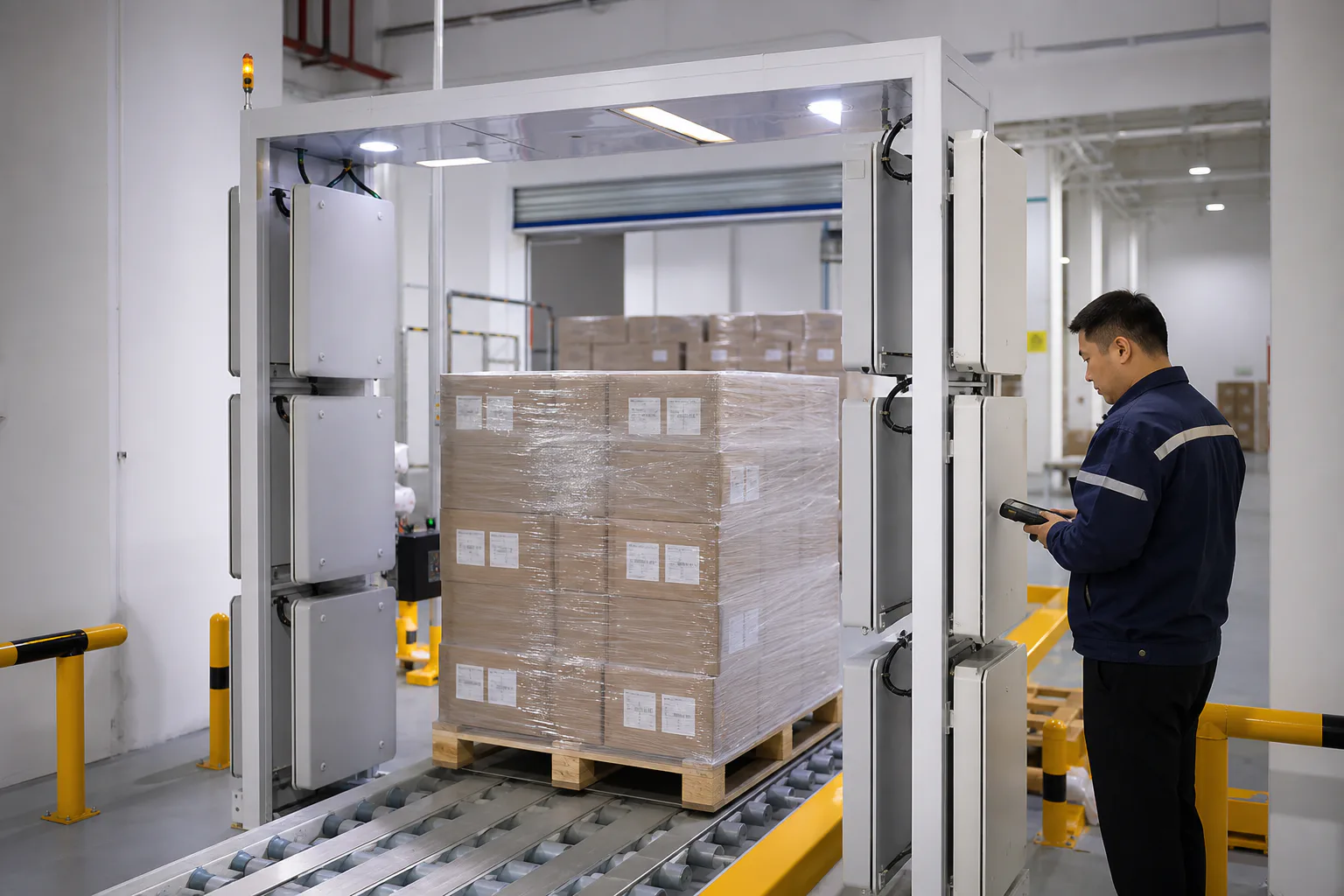
RFID Library Autovalidation
AGV Auto-removal Schedule
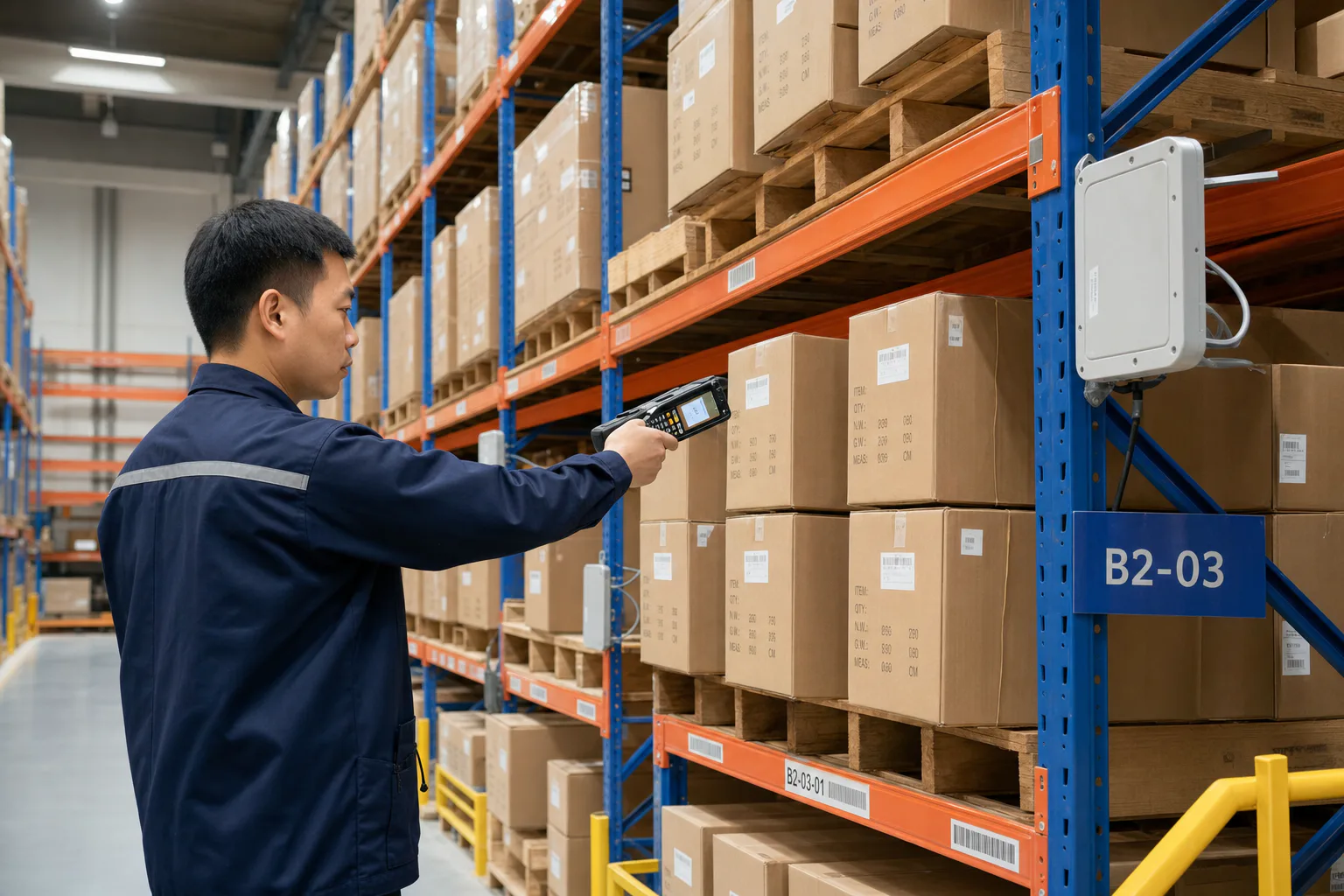
Database site real time monitoring inventory
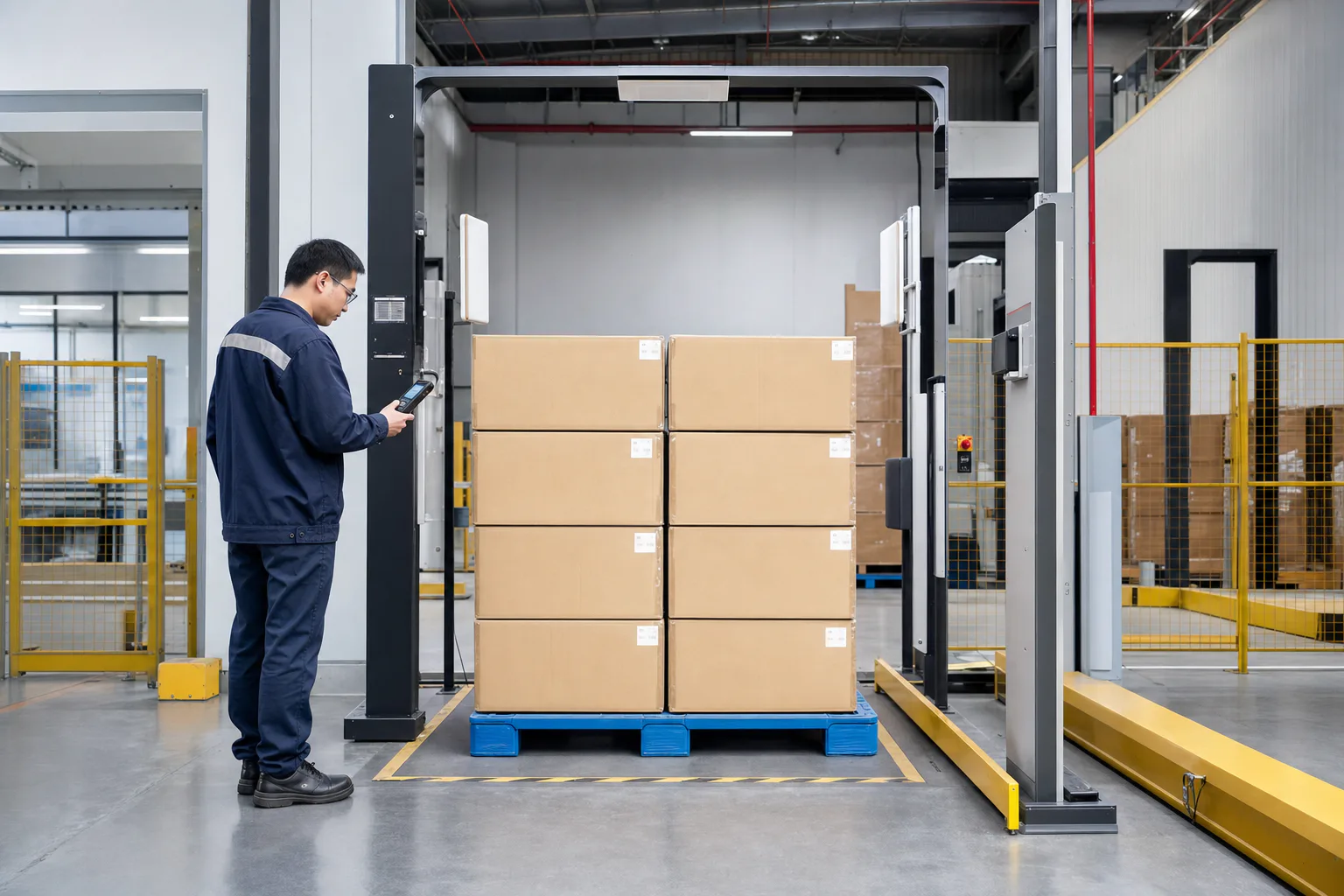
Library review and data update
Workflow
Import of goods
Label Printing Bind
Autocheck in library
Allocating target storage
AGV Automove
Repository confirmed.
Monitoring in real time in the library
Auto-referral from the library
Inventory data update
Key Functions
Cargo archives and labelling management
Manages the code, name, specification, batch and quantity, supporting label printing, writing, binding, refilling and replacement.
RFID Intelligence Library
Automatically identify and reconcile the contents of the inventory, and reduce manual registration and quantity checks.
Relocation and up.
The physical location of the goods is recorded by recommending the location of the place of deposit according to the properties of the goods and the state of the place of deposit.
ANV Movement Control
Sending to AGV for storage, build, move and exit and following up on the status of implementation.
Real time monitoring of the repository
The goods in the storage are continuously identified through RFID Reader and antennas, and anomalies in their movement, exit and location are detected.
Autocheck Out
Automatically check goods, batches and quantities, and warns of anomalies such as miscarrying, small quantities, and multiple shipments.
Batch count and search for goods
Fixed equipment is combined with handheld to complete the inventory, identify the balance, the balance, the misplace and the rapid positioning.
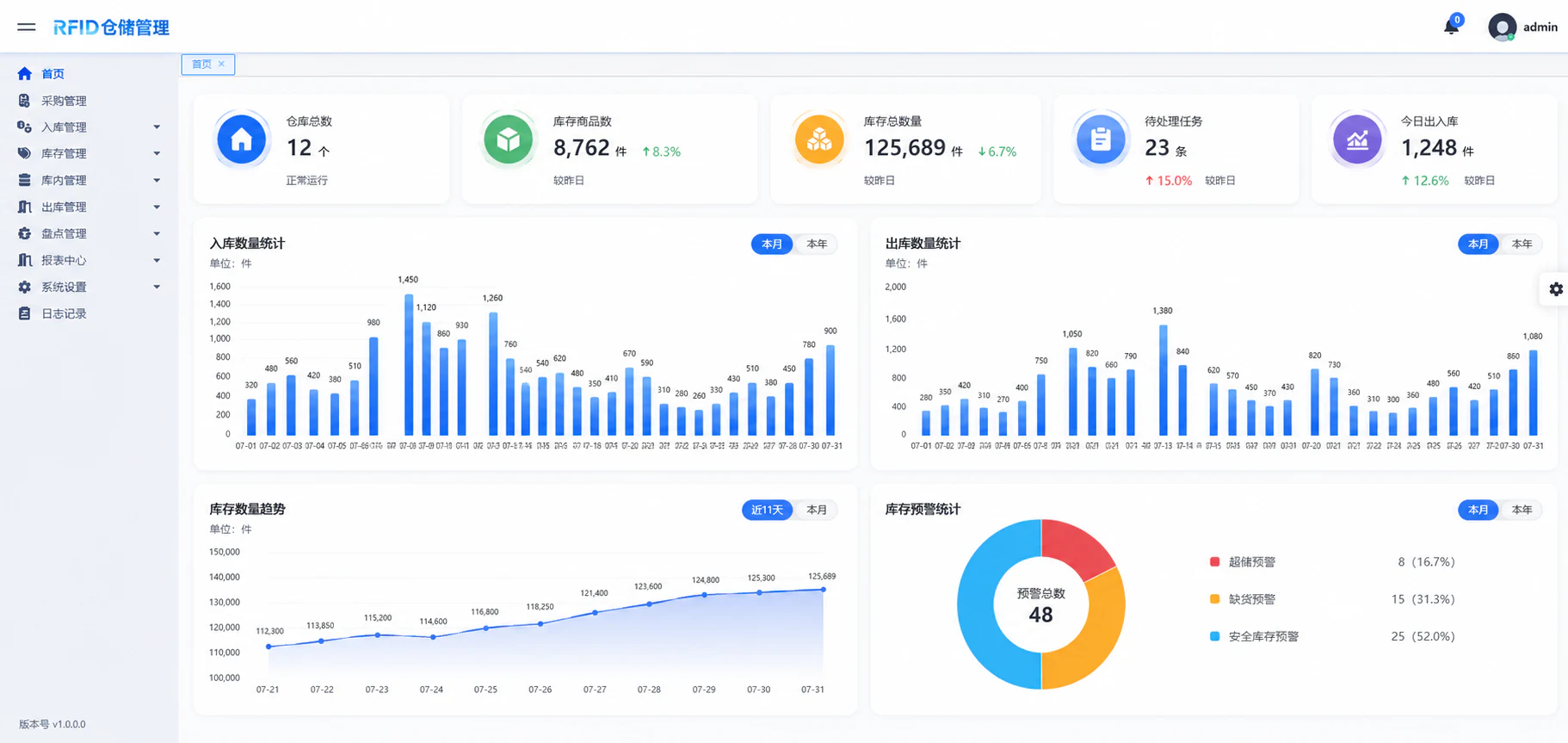
Stock board and system docking
Shows inventory, warehouse space, access to and from the library tasks and anomalies, and access to AGV movements and client internal systems.
Deployment
A. Software systems
- RFID Smart Warehouse Management System
- Cargo archives and labelling management
- Check in and out of the library
- Library position and upper and lower shelf management
- AGV Task Schedule Interface
- Move Library and Inventory Management
- Real-time monitoring of inventories
- Aerial Early Warning and Data Viewer
B. Hardware equipment
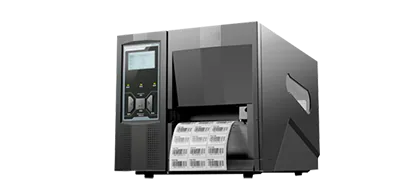 RFID Label Printer
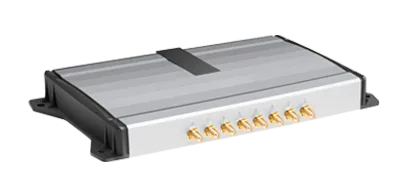 RFID Fixed Reader
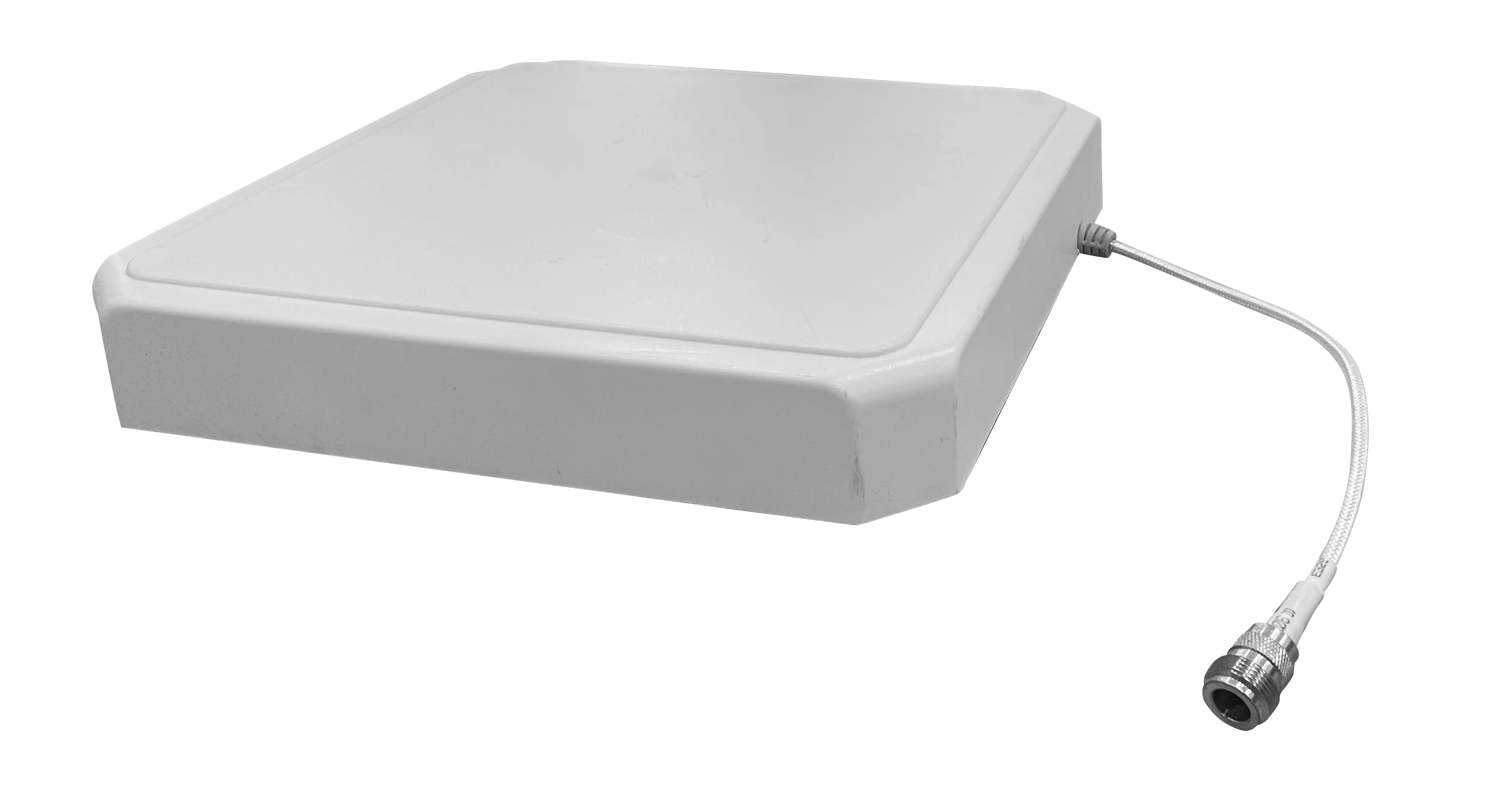 RFID-Identified antenna
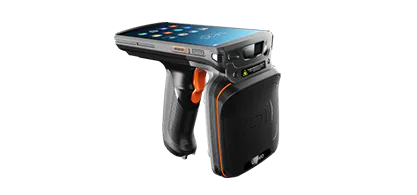 RFID Handheld Terminal
 RFID cargo label
 AGV Automotive Transfer Equipment
Results
How can smart management be achieved when warehouse goods are poorly located and costly to move?
Automatic cargo verification, smart handling, storage monitoring and quick inventory are achieved through RFID in collaboration with AGV, making warehousing operations more efficient, inventories more accurate and china handling safer.