RFID Tag
Assign a unique digital identity to each item, carton, or pallet and link it to the item code, batch, storage location, and business status.
Solution Detail
Digitize and automate receiving, shipping, inventory counts, transfers, and bin management with end-to-end traceability.
Access ProgramAssign a unique digital identity to each item, carton, or pallet and link it to the item code, batch, storage location, and business status.
Capture tag data in batches with handheld readers, RFID portals, tunnel readers, or shelf antennas.
Manage receiving, shipping, stock transfers, inventory counts, alerts, reporting, and traceability.
Receive purchasing, receiving, issue, shipping, and inventory-count tasks, then return execution results, discrepancies, and exceptions to the business system.
Manual entry and item-by-item scanning can lead to incorrect, missed, or duplicate records.
Without automatic reconciliation between orders and physical goods, over-shipments, shortages, and picking errors are hard to prevent.
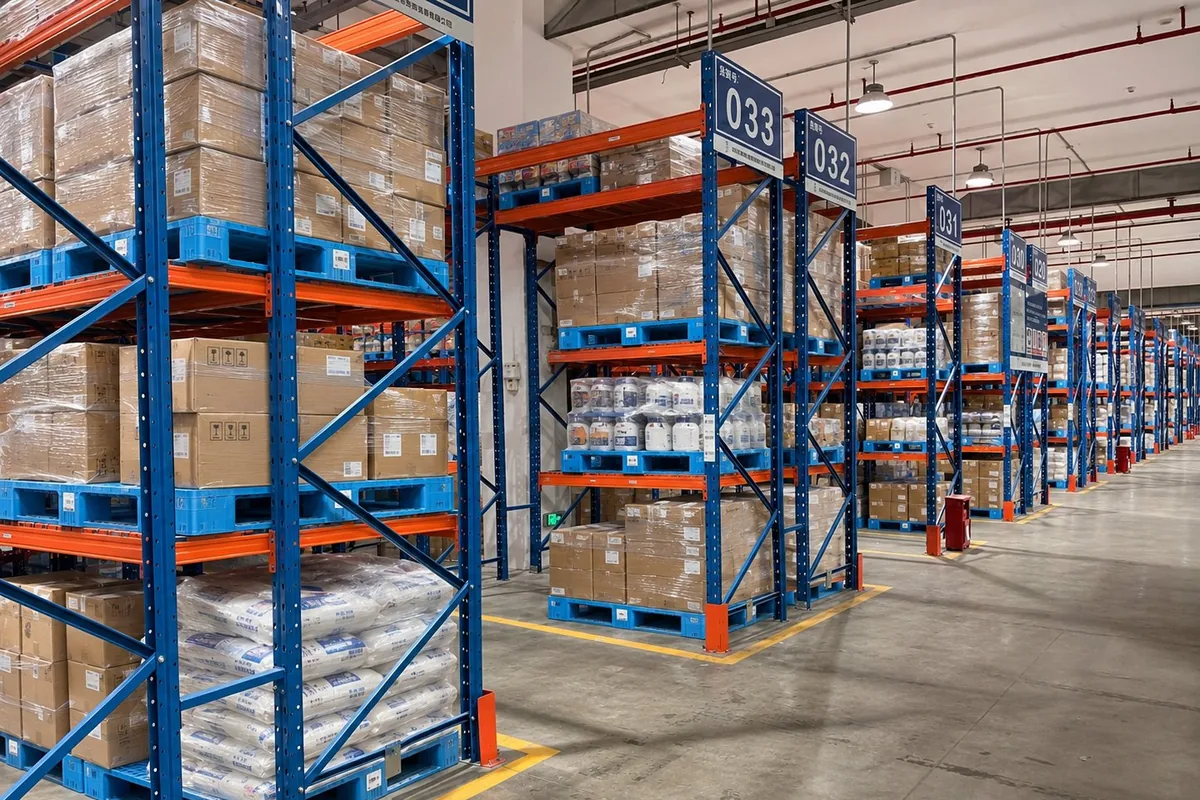
When warehouse and storage-location data are unclear, materials are difficult to find and trace.
Item-by-item counting is labor-intensive, and discrepancies still require manual consolidation.
Unclear dispatch, in-transit, and receipt status undermines inventory accuracy.
Incomplete tag, order, location, operator, and timestamp records make the material journey difficult to reconstruct.
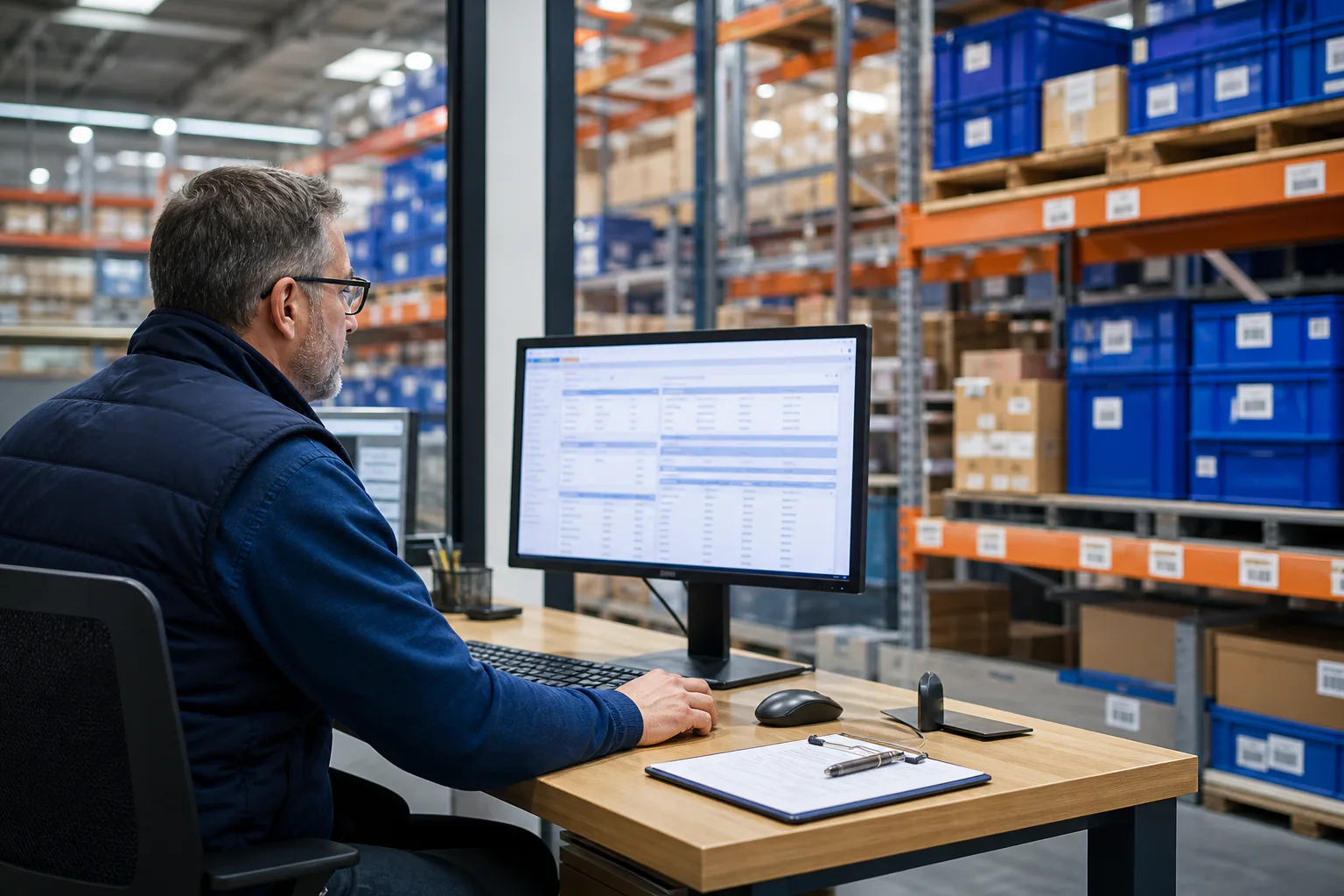
RFID, connected devices, and software create an accurate, efficient, and traceable digital workflow across warehouse operations.
Web console | Mobile / PDA | Dashboards | 3D visualization
Business workflows | Inventory verification | Device management | System integration
Industrial Wi-Fi | Ethernet | 4G / 5G | Secure data transfer
RFID tags | Readers | Environmental sensors | Data capture
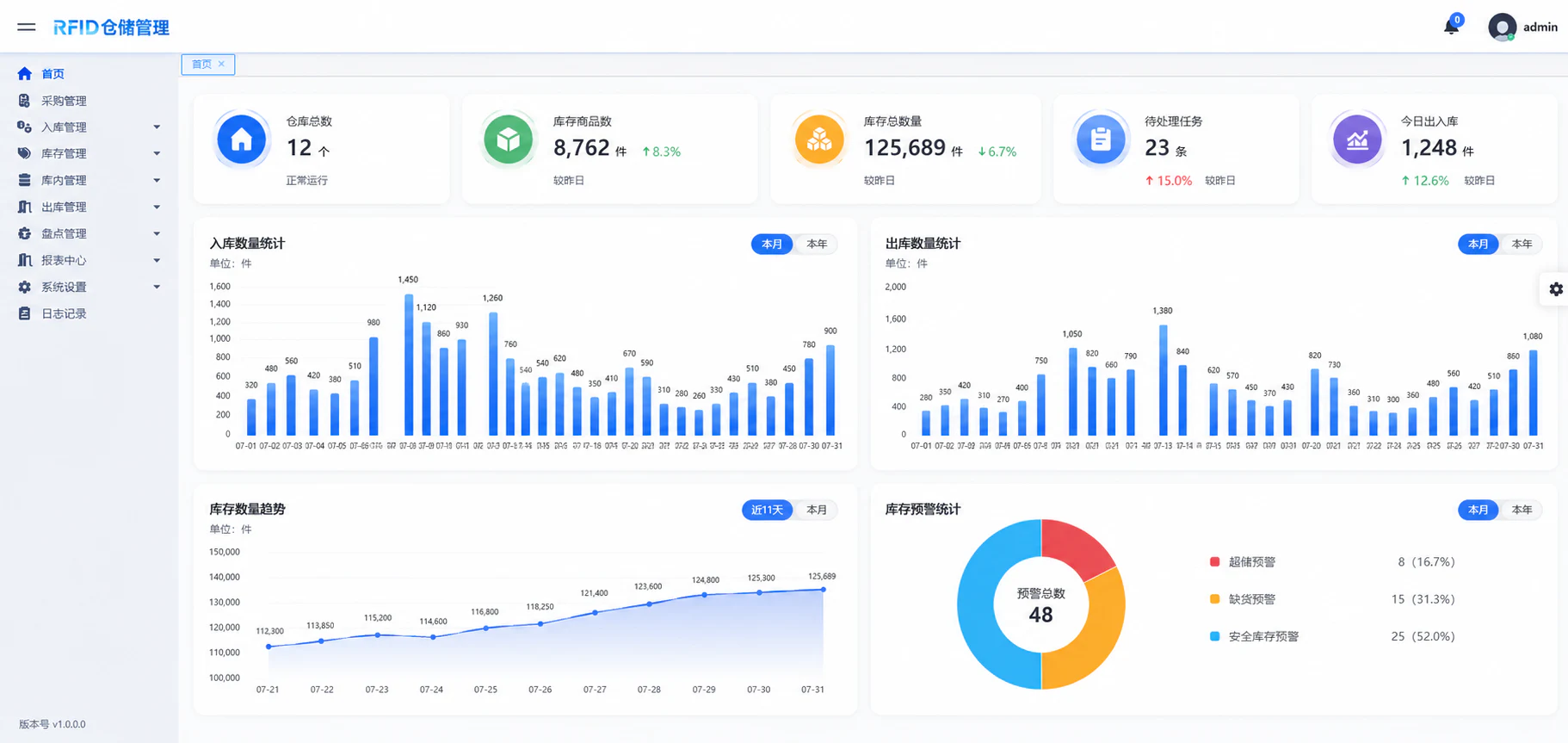
Dashboards, exception lists, inventory overview, and real-time alerts
Business operations, reporting, analytics, system configuration, and administration
Task receipt, receiving, shipping, inventory counts, tag binding, AGV dispatch, location selection, and real-time verification
Maintain materials, suppliers, warehouses, zones, and storage locations in one standardized data foundation.
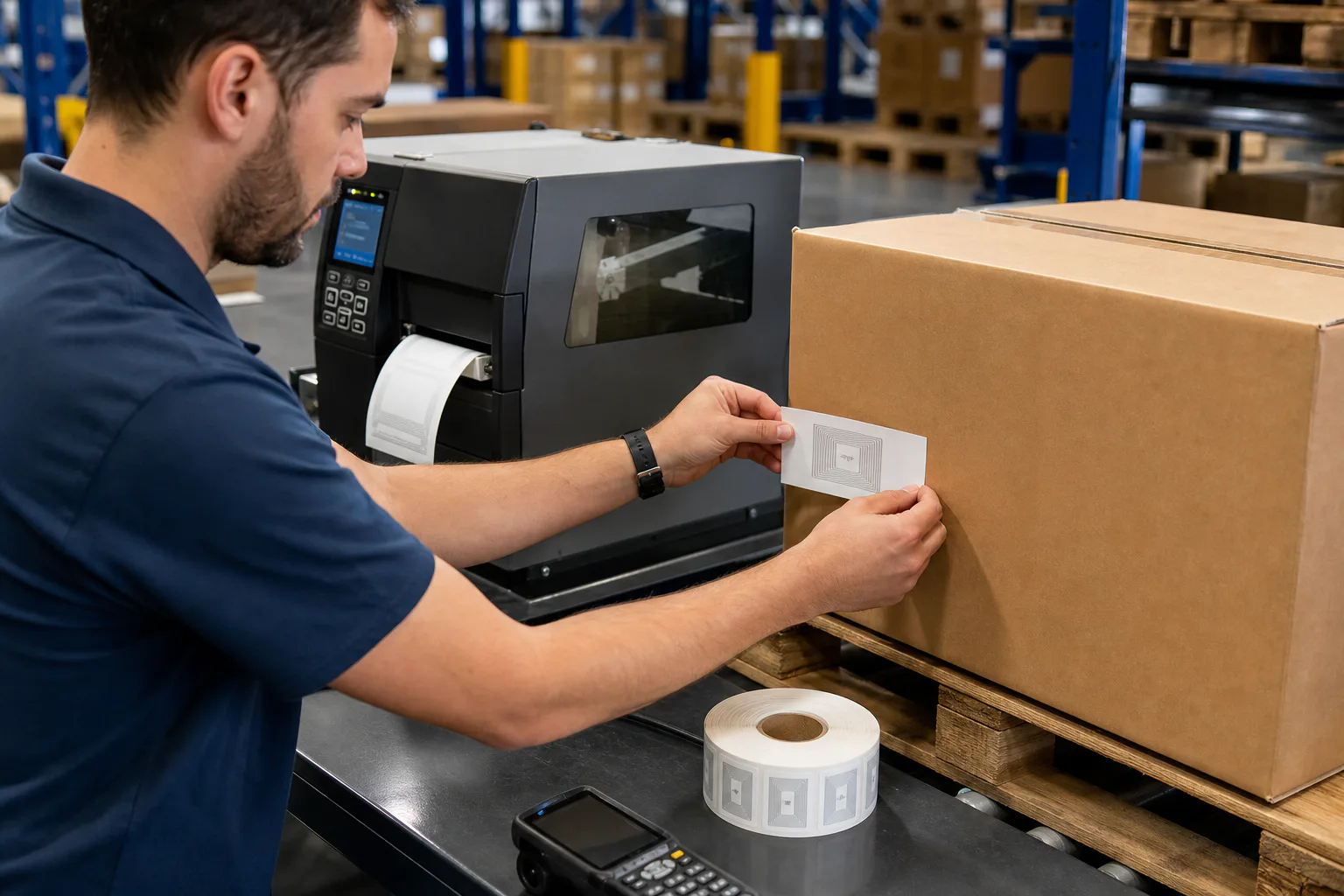
Generate, print, encode, bind, reprint, and retire RFID tags while tracking status at item, carton, and pallet levels.
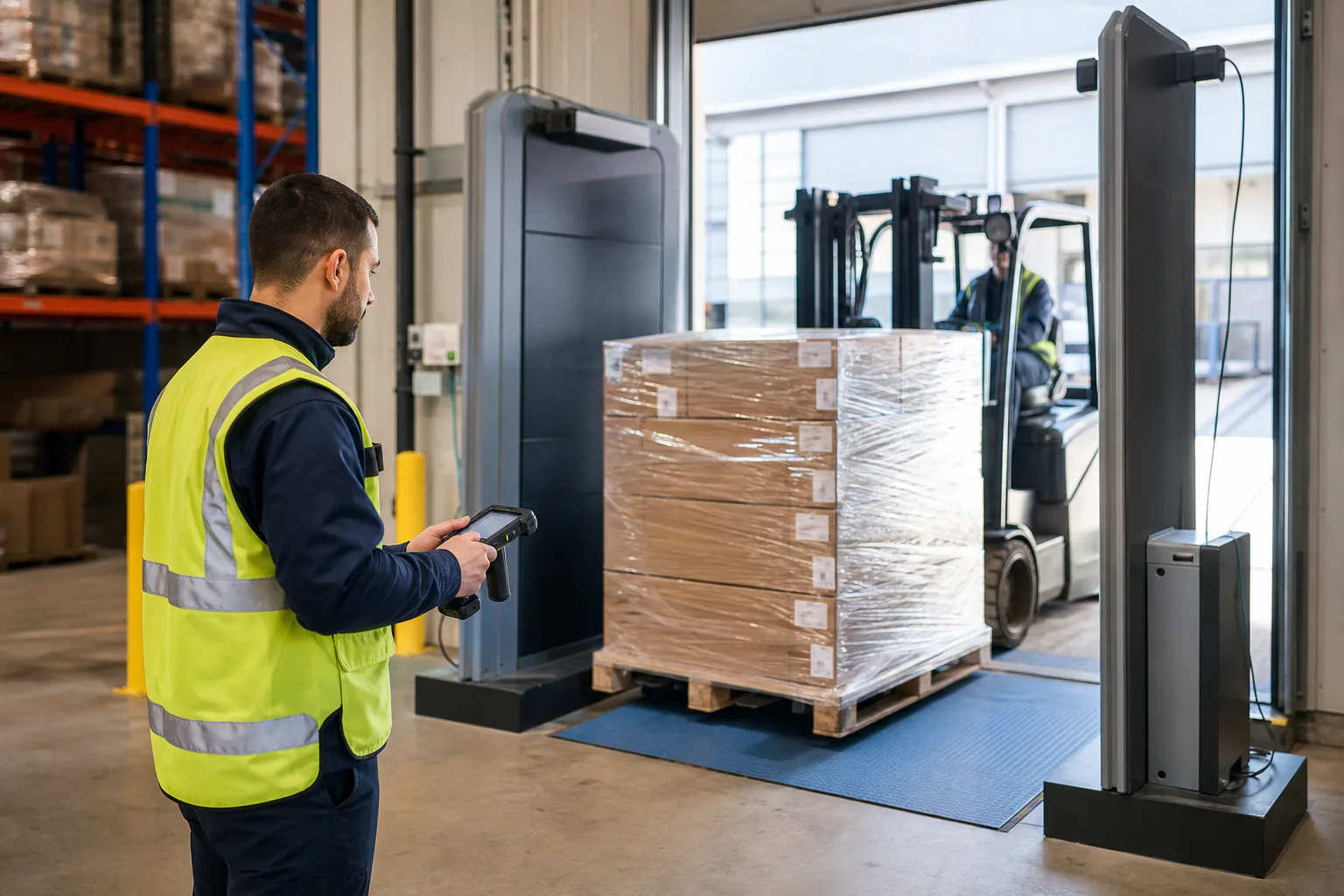
Identify incoming materials in batches, reconcile quantities and tag data against receiving tasks, assign storage locations, and update inventory.
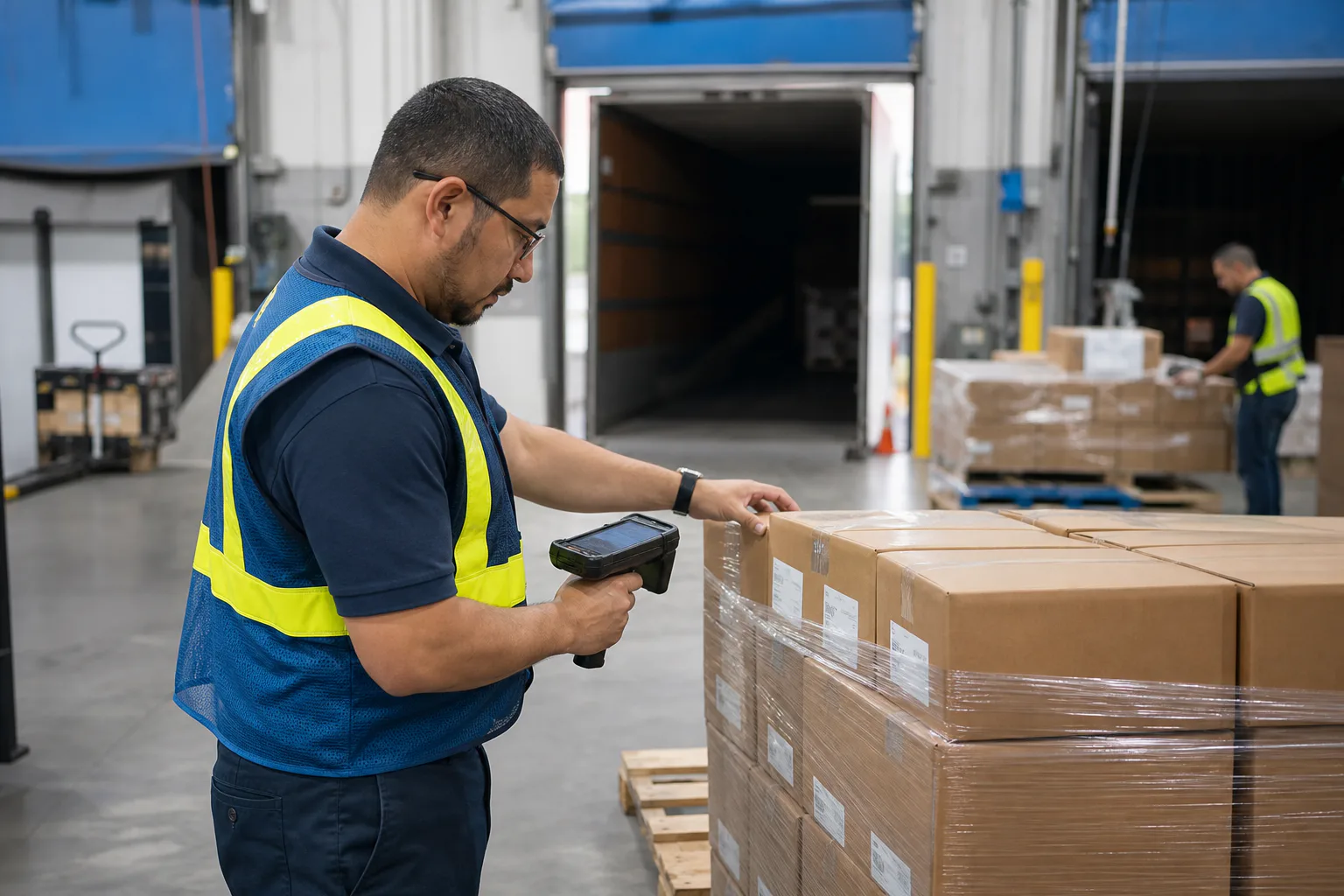
Guide picking and verification against outbound tasks, with real-time alerts for over-picks, shortages, wrong items, and invalid tags.
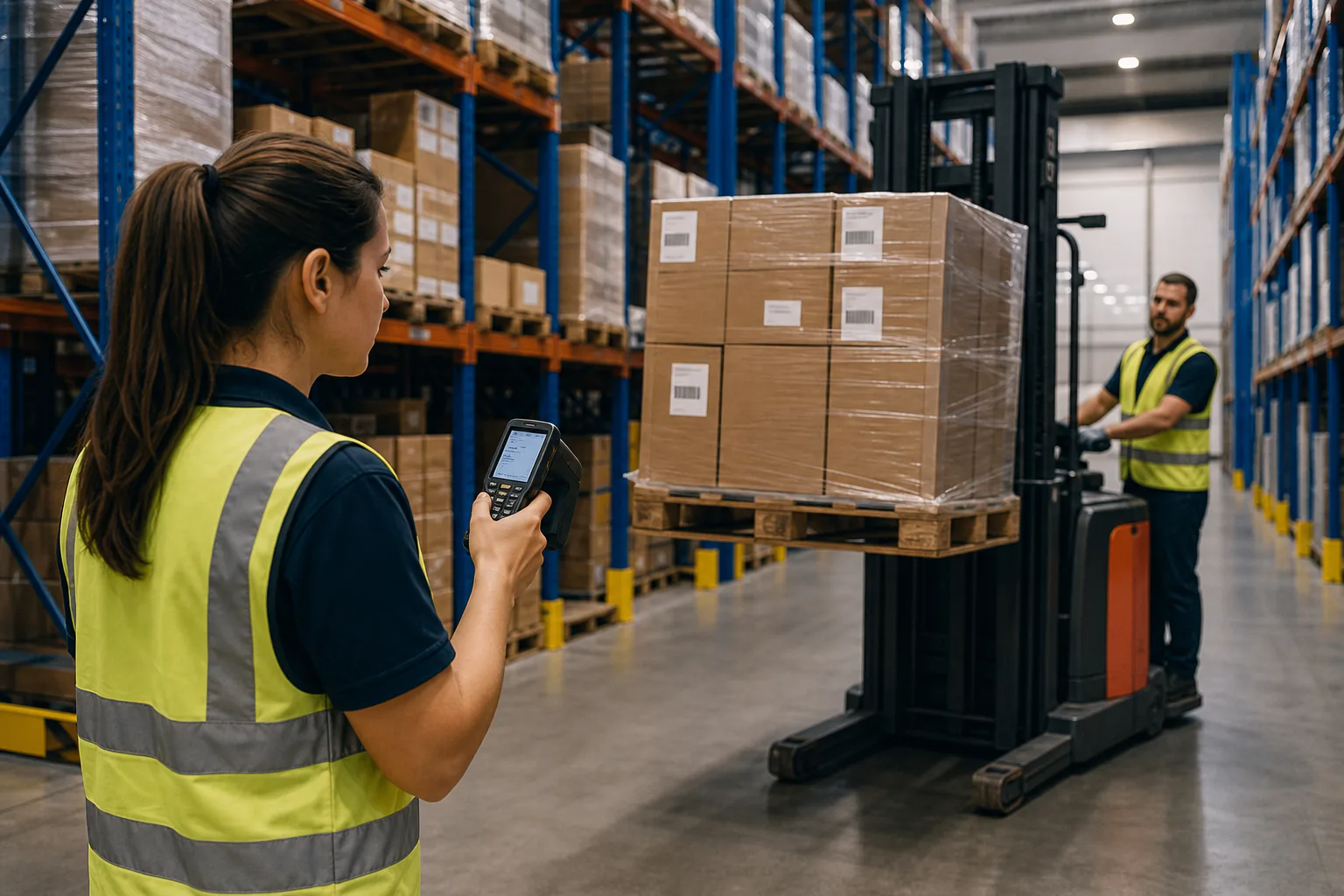
Manage location changes and inter-warehouse transfers, tracking dispatch, in-transit, and receipt status while keeping item locations current.
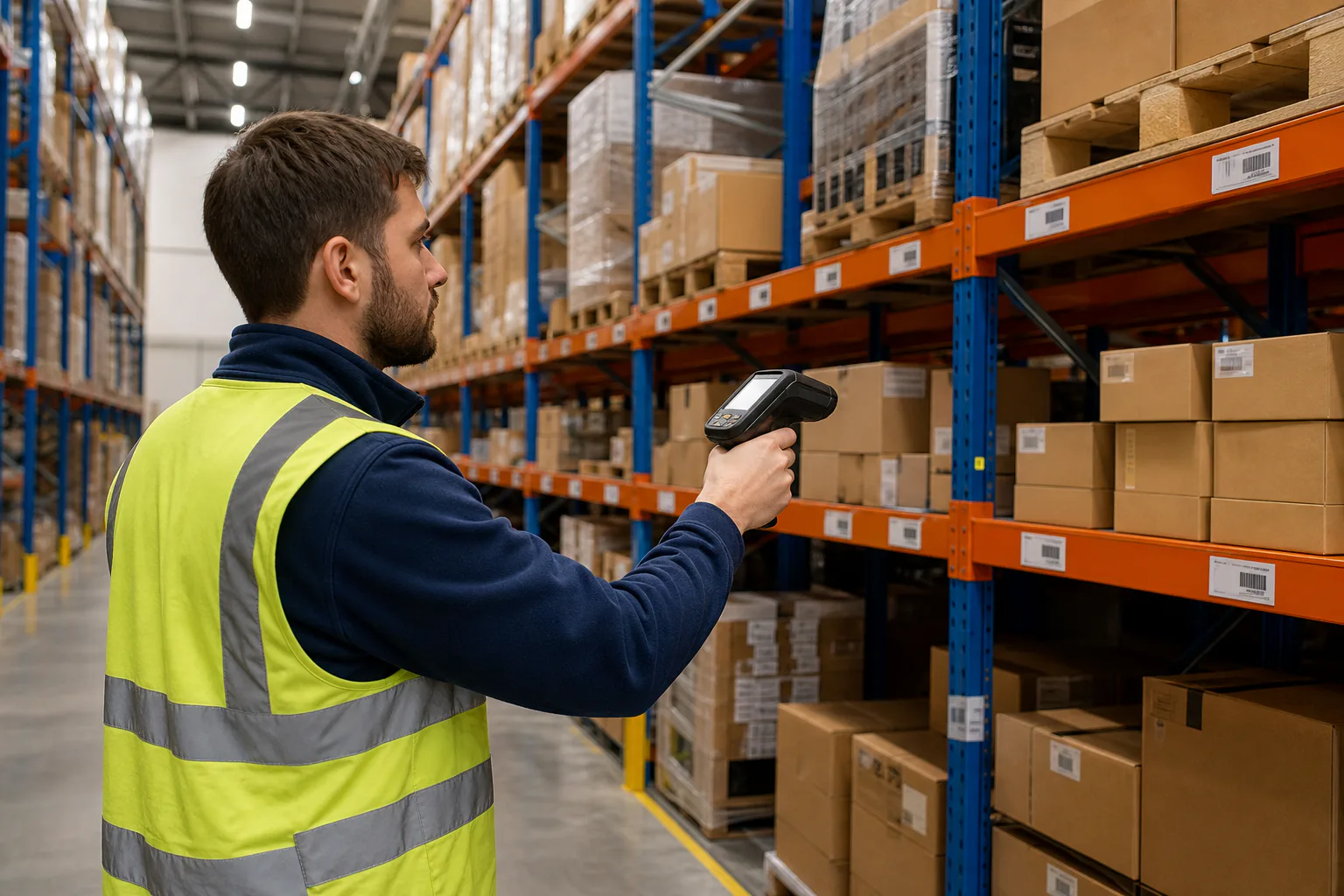
Read materials in batches with handheld readers or shelf antennas and automatically identify surpluses, shortages, misplaced stock, and tag exceptions.
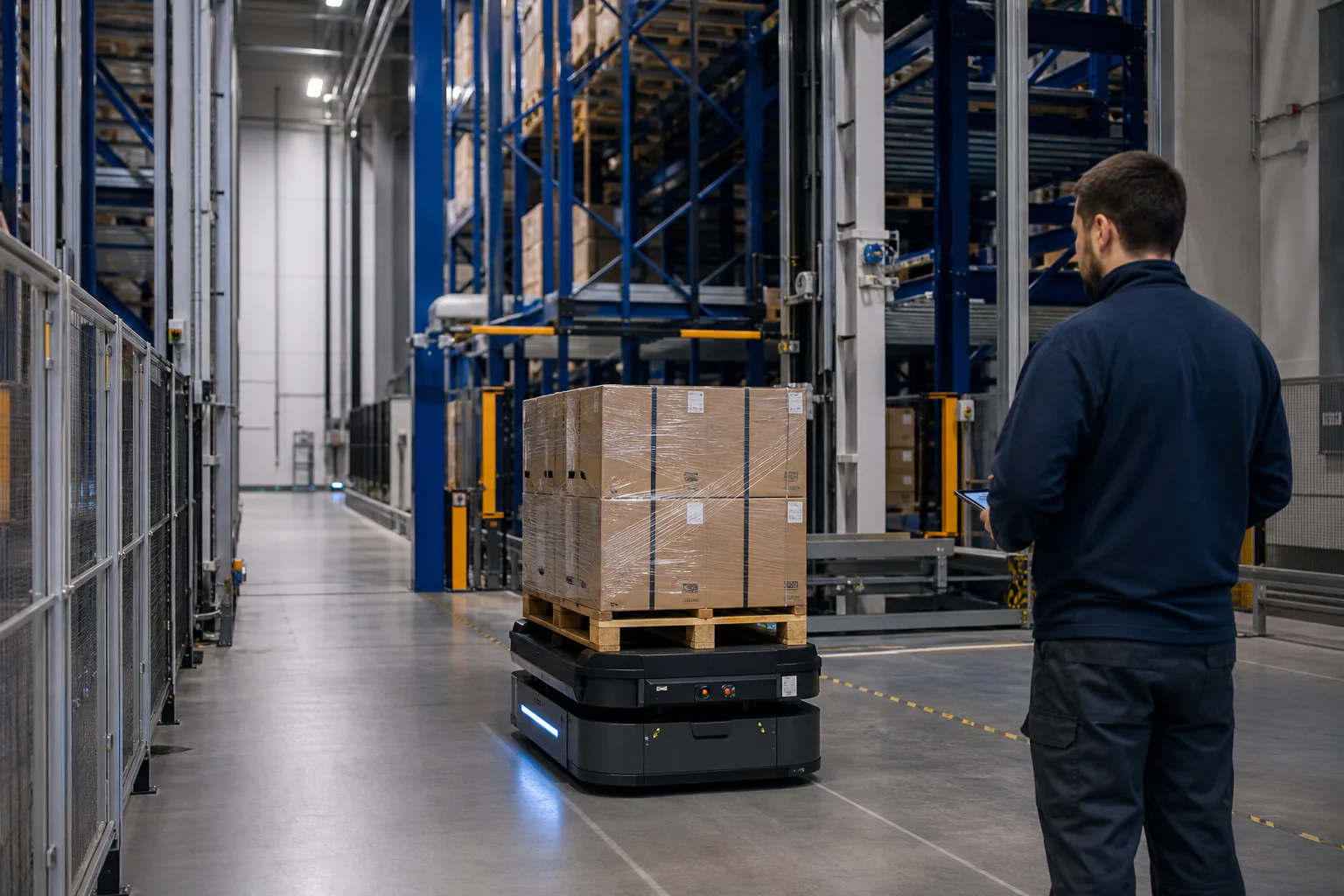
Dispatch AGVs from receiving, shipping, and transfer tasks, assign destinations, and track execution in real time to coordinate automated movement and put-away.

View quantities, locations, and material status in real time, with inventory alerts, operational reports, traceability analysis, and ERP, WMS, or WIS integration.
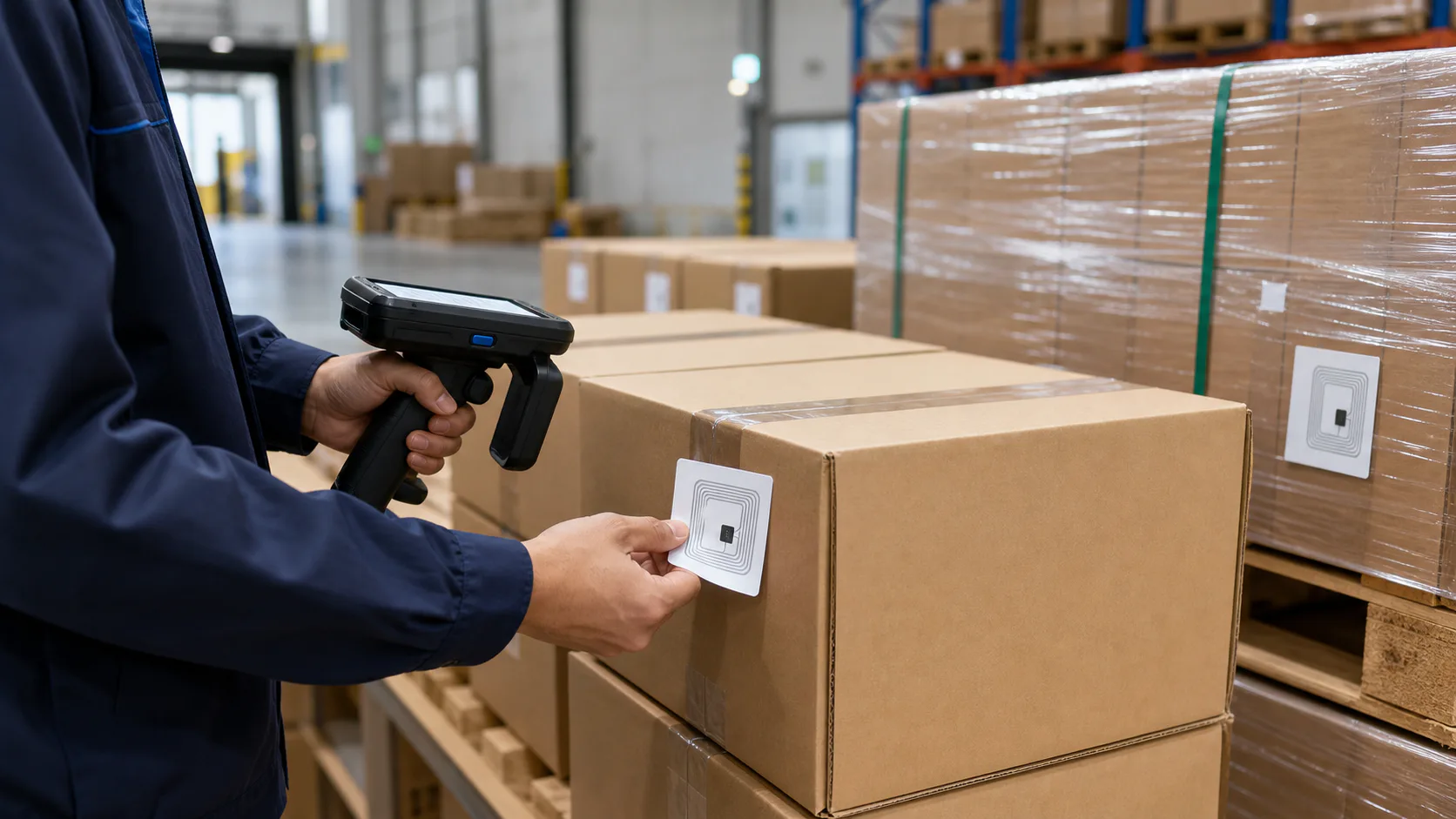
Import material data from an ERP or WMS, encode and print tags with an RFID printer, validate the data, and bind each tag to an item, carton, or pallet.
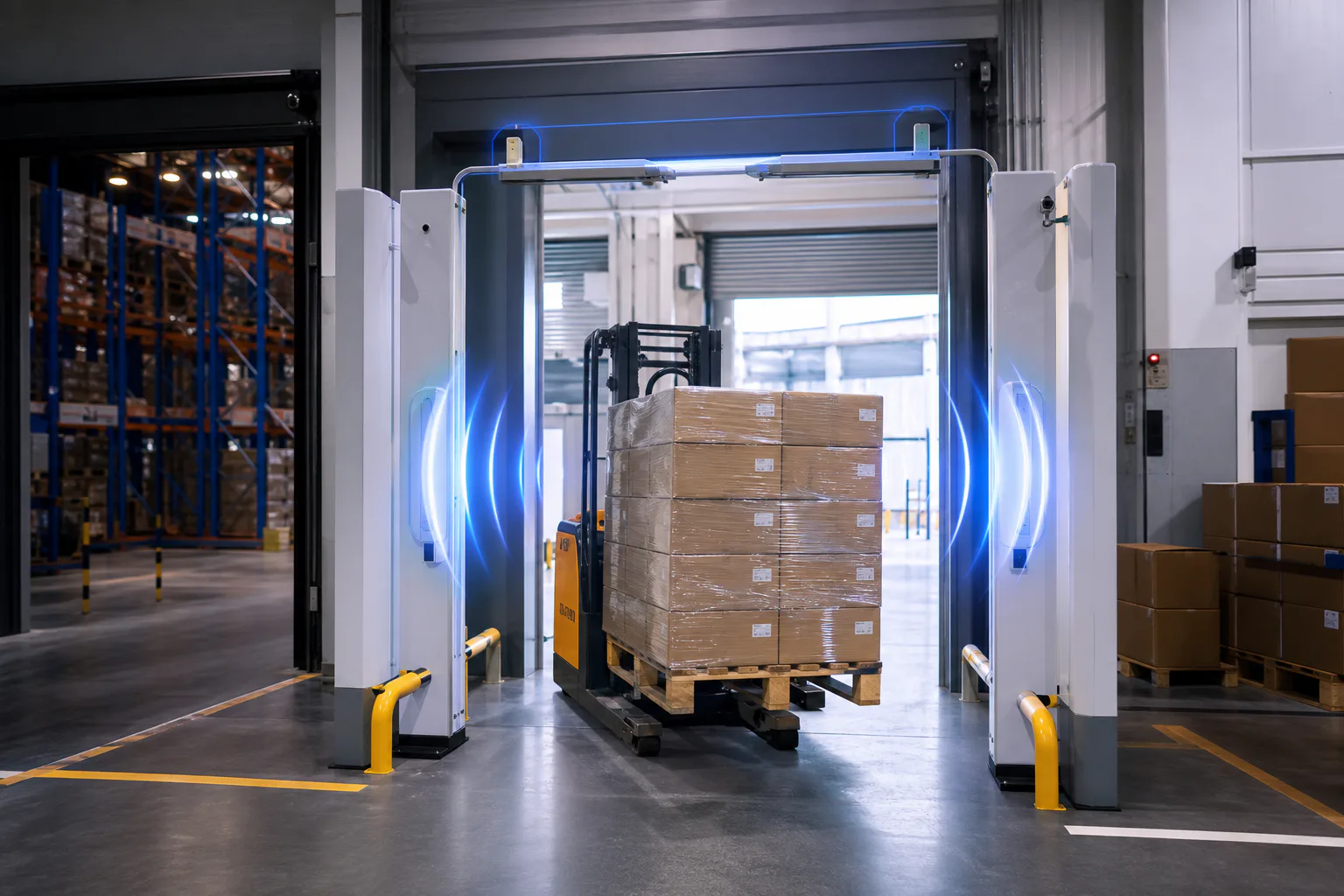
Identify incoming materials in batches, verify quantities, coordinate AGV transport and put-away, and update inventory automatically.
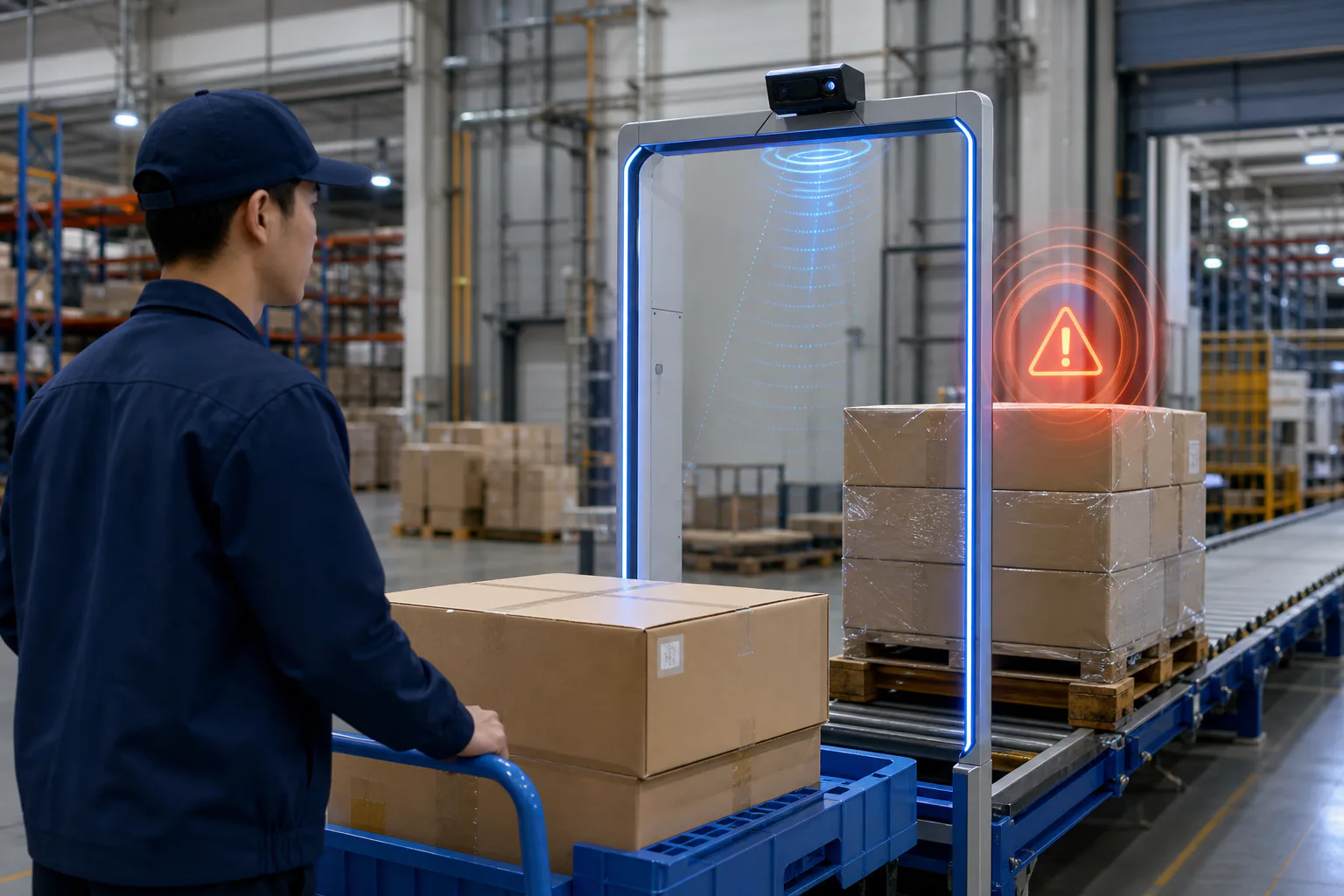
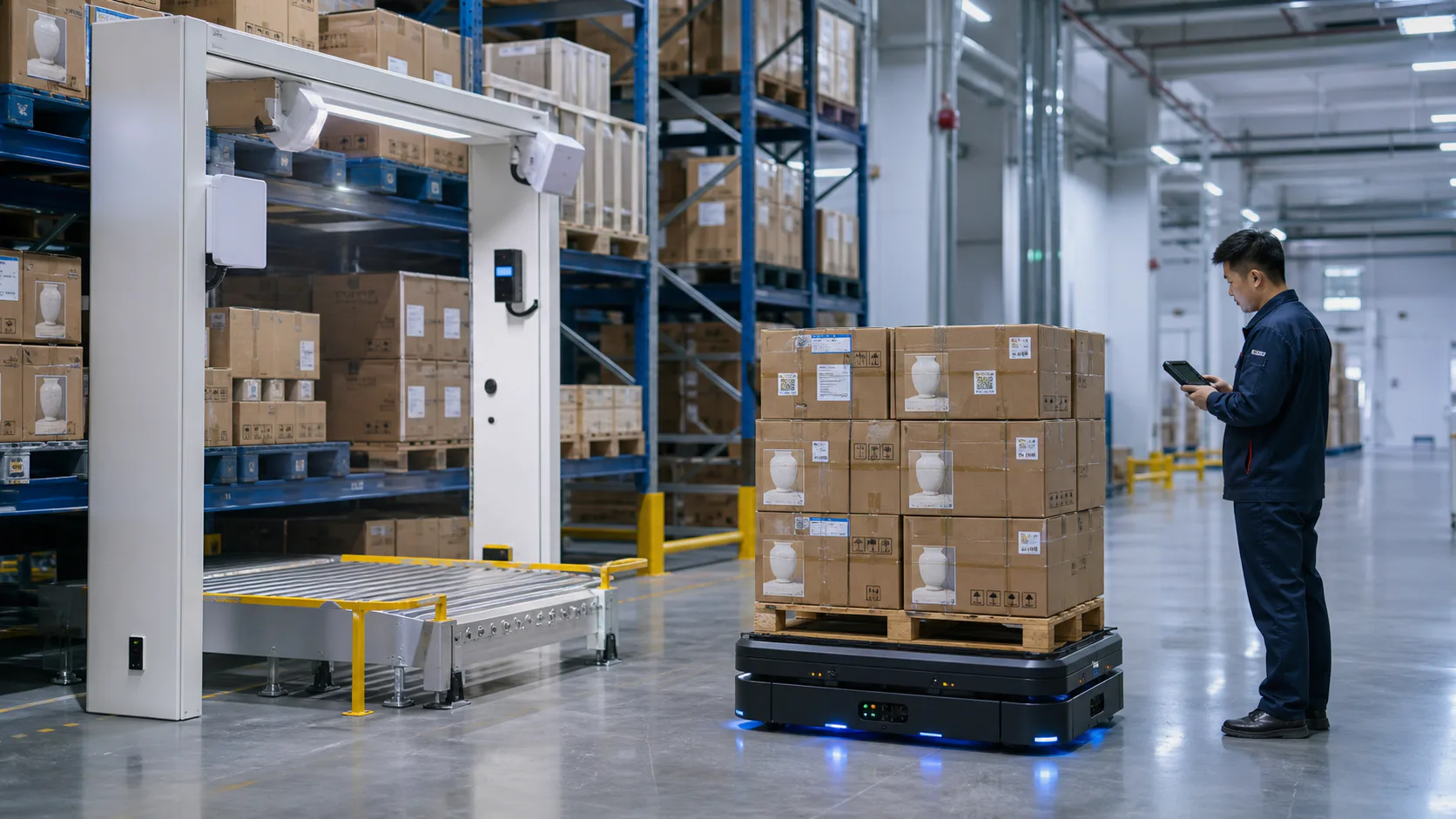
Locate and identify materials from the outbound task, coordinate AGV transport, and verify the shipment with handheld readers or an RFID portal.
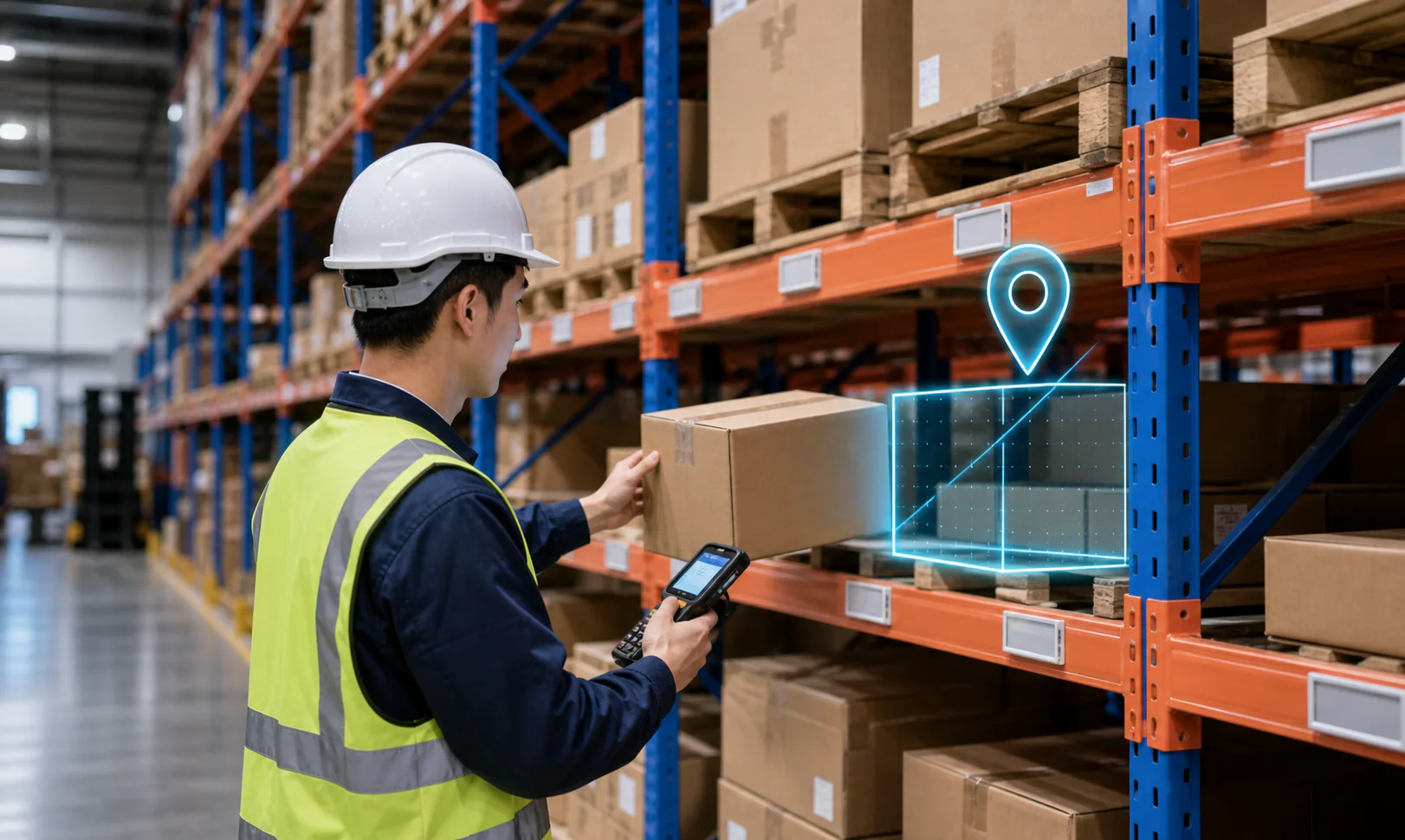
Verify the source location, material, and destination, dispatch the AGV, and track dispatch, in-transit, and receipt status.

Read warehouse materials in batches with an RFID handheld reader, reconcile them against system inventory, and quickly identify surpluses, shortages, and misplaced stock.

Check quantities, warehouses, locations, and tag status in real time, then trace historical changes through orders, tags, and movement records.
Use batch RFID identification to reduce item-by-item scanning and manual data entry.
Automatically reconcile business orders with scan data and flag item or quantity discrepancies promptly.
Keep inventory linked in real time to warehouses, storage locations, tags, and business status.
Complete counts in batches with handheld or fixed readers and generate discrepancies automatically.
Trace material data, current location, receiving and shipping history, and operators from each RFID tag.
Use inventory statistics, movement records, and summary reports to support purchasing and stock allocation.
Related System
Supports the entry, exit, storage, batch, inventory and WMS / ERP data docking.
The hardware below represents a typical configuration. Final selection depends on the workflow, site conditions, and project requirements.

Identifies materials, cartons, and pallets.
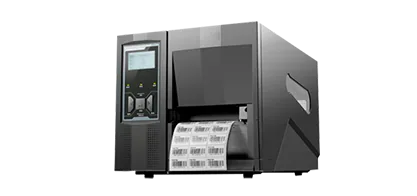
Encodes and prints RFID tags.
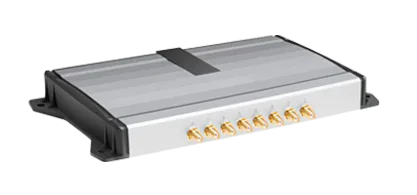
Supports location monitoring and batch inventory counts.
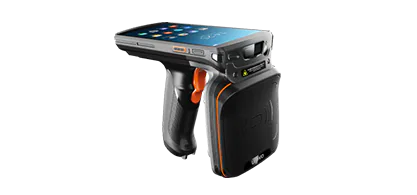
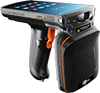
Supports mobile inventory counts and on-site verification.
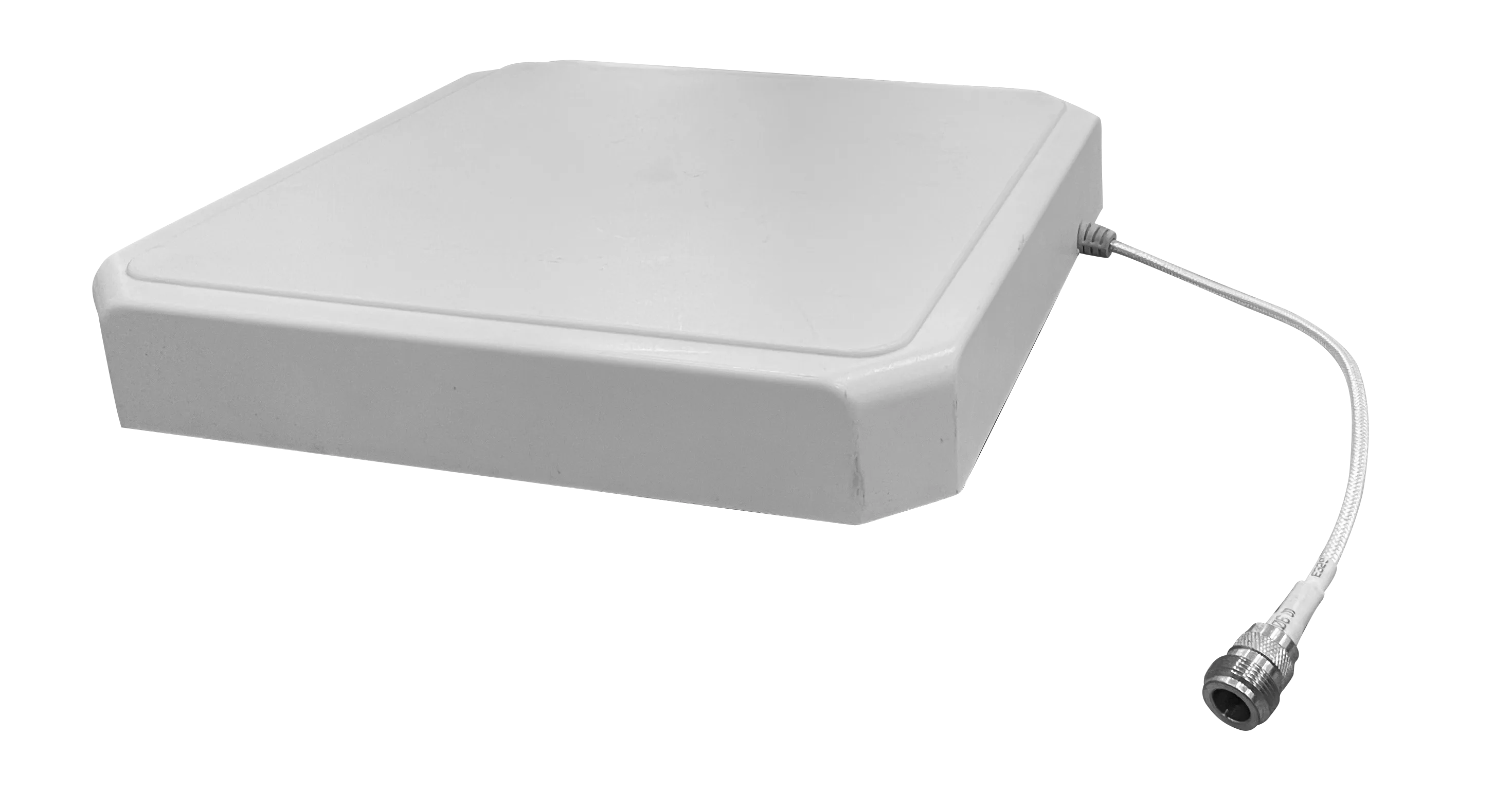
Provides reliable RF coverage across the target read zone.

Automatically identifies tagged goods at warehouse portals.
The RFID layer can integrate with a WMS or ERP, adding automatic identification without necessarily replacing the existing system.
RFID reads multiple tags at once, removing the need to scan every item individually and accelerating inventory counts.
A typical deployment includes RFID tags, label printers, fixed readers, antennas, handheld readers, and management software.
Contact Us
Tell us about your business scenario. We can help define the right tags, hardware, platform, and deployment approach.