
Type of industryE-commerce Logistics Warehousing
Case Detail
RFID Pallet Real-Time Sensing and Traceability Project for an E-commerce Logistics Warehouse in Shenzhen
Continuous RFID sensing captures pallet EPCs to build pallet presence status, cross-node event timelines, and coordinated exception handling.
Access Program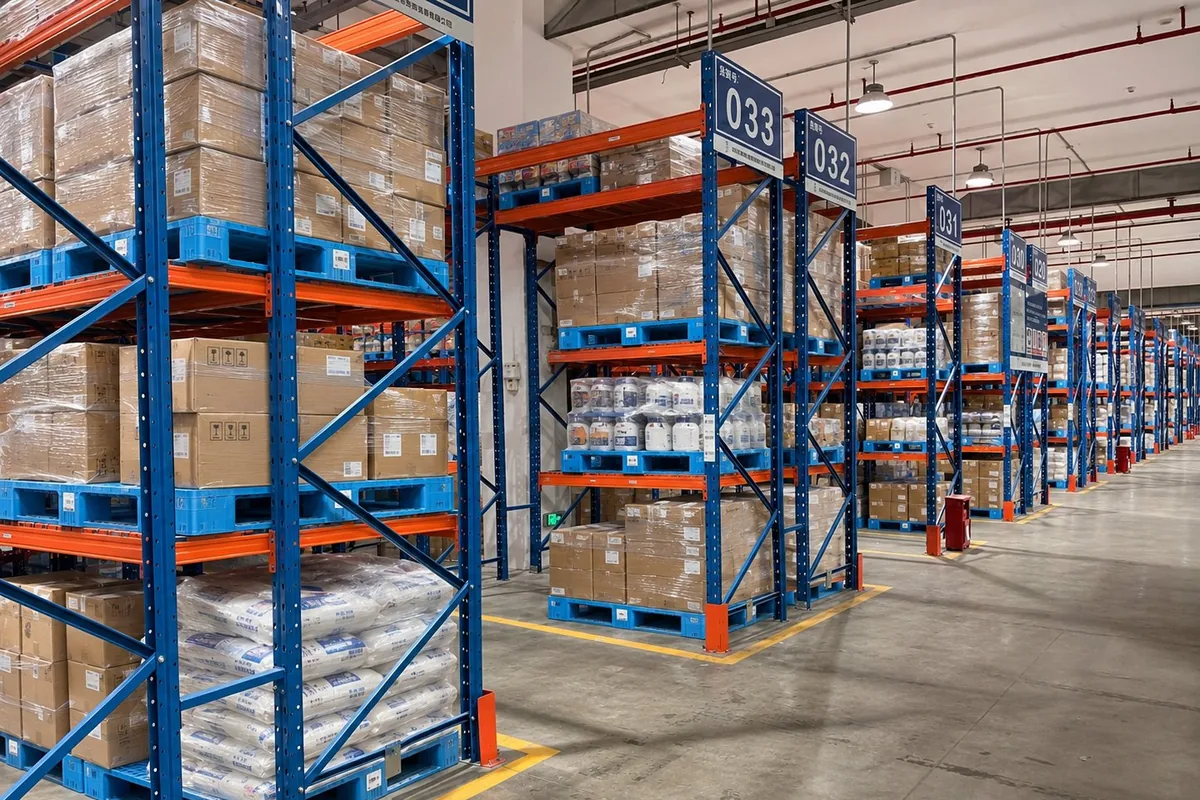
Project ScaleAbout 300 storage locations | 4,000+ RFID antennas | Over 10 forklifts | About 50 key nodes
Managed AssetsRFID pallets and sensing nodes at storage locations, forklifts, X-ray machines, and gates
Core approachContinuous RFID sensing + EPC event processing + cross-node event timeline + WMS business validation
Client Background
The project is deployed in an e-commerce logistics warehouse in Shenzhen. The warehouse contains about 300 storage locations and over 10 forklifts, together with key operational nodes such as X-ray machines and gates. More than 4,000 RFID antennas form a large-scale pallet sensing network that continuously captures pallet EPCs.
In this high-density RFID environment, the same pallet tag may generate a large volume of reads while it stays at a storage location, is being moved, or passes different nodes. The core of the project is not simply whether RFID reads a tag, but how to turn high-frequency EPC reads into usable pallet presence status, node events, event timelines, and exception records for business decisions.
Project Challenges
High-frequency RFID data needs business-level processing
More than 4,000 antennas continuously read pallet EPCs, and the same tag may be read repeatedly. Raw reads cannot be treated directly as business status and must be converted into usable node events.
Pallet presence must be maintained continuously
It is not enough to know where a pallet once appeared; the current storage location, on-rack status, and last-seen time must be continuously maintained.
Multiple key nodes need to form an event timeline
A pallet may pass storage locations, forklifts, X-ray machines, and gates, so read events from different nodes must be chained over time along the same EPC.
Different exceptions require separate handling
Storage-location mismatches, removal validation, outbound verification, and device status exceptions must be recorded, blocked, reviewed, or alerted according to different business rules.
Solutions
The project builds a continuous RFID sensing system around pallet EPCs.
Readers and antennas at storage locations, forklifts, X-ray machines, and gates continuously capture pallet EPCs. Based on tag status, time thresholds, and node information, an edge processing service converts continuous RFID reads into meaningful appeared and disappeared events.
Processed events enter the RFID business platform to maintain each pallet's current storage location, on-rack status, last-seen time, and cross-node event timeline.
At key steps such as removal and outbound, the system can also validate against WMS business rules and, depending on the result, release, block, record exceptions, or raise specific alert requests, linking RFID physical sensing with warehouse business status.

High-density RFID sensing network

EPC event processing

Cross-node event timeline

WMS validation and exception coordination
Workflow
Pallet EPC identity creation
Continuous RFID node sensing
Edge status judgment
Node event generation
Pallet presence update
EPC event timeline building
WMS business rule validation
Exception recording and review
Key Functions
Pallet EPC management
Assign an RFID EPC identity to each pallet and maintain its code, current storage location, status, and last-seen time.
Pallet presence status
Continuously maintain each pallet's current storage location and on-rack/off-site status based on storage-location node events.
Floor and storage-location query
Query current pallet counts, EPCs, locations, and last-seen times by storage location or floor.
RFID node events
Record appeared/disappeared events at storage locations, forklifts, X-ray machines, and gates.
EPC event timeline
Trace events and their chronological order across RFID nodes by pallet EPC to form a key-node timeline.
Storage-location exception review
Create review records when a pallet does not match its target storage location, with conclusions, notes, and photo evidence.
WMS business validation
Validate status against WMS business rules at key nodes such as removal and outbound, with exception coordination.
Device and operations overview
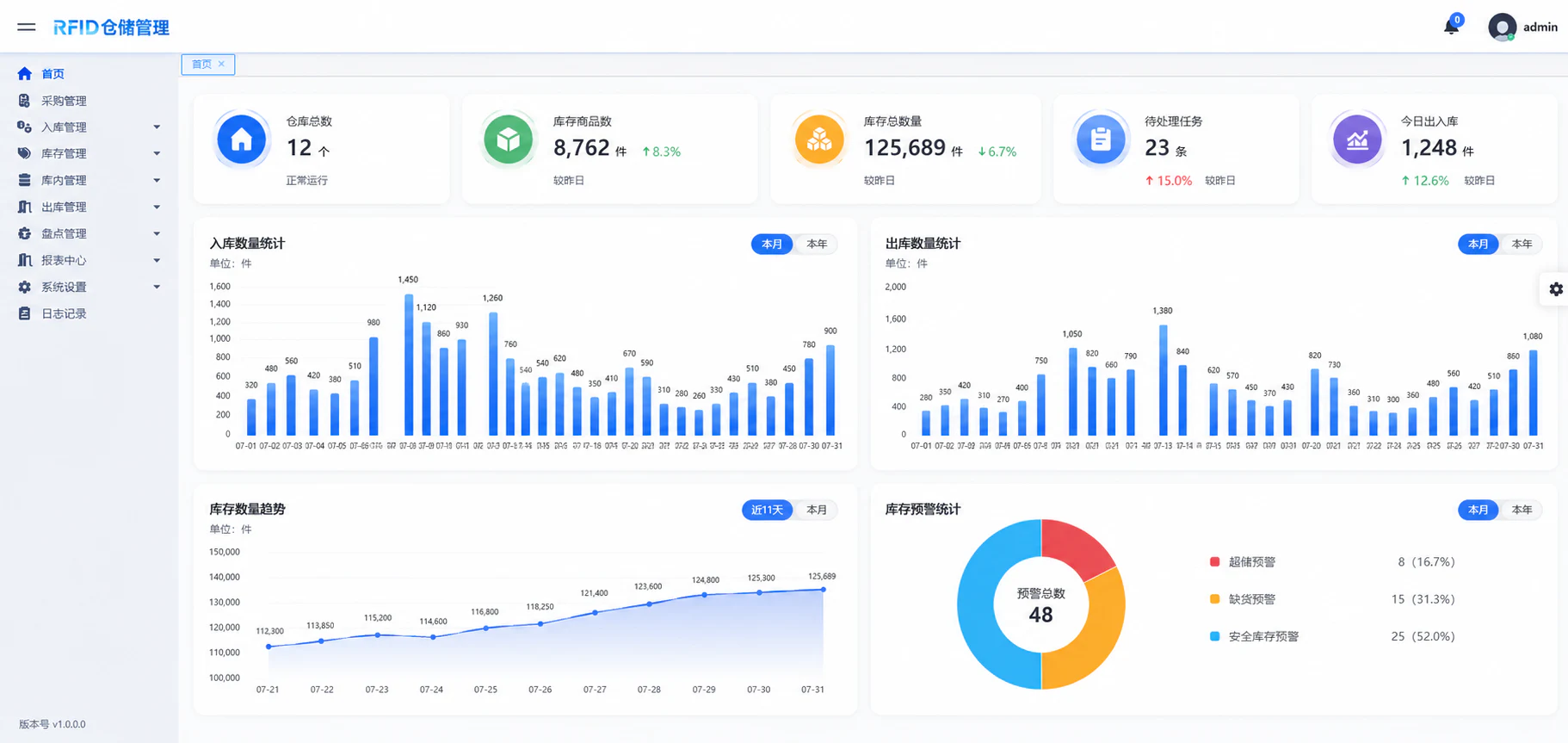
Present Reader online status, pallets on rack, exception summaries, and recent RFID events in one view.
Deployment
A. Software systems
- RFID real-time sensing and pallet traceability platform
- Pallet EPC management
- Storage location management
- Reader management
- Antenna management
- Pallet presence status
- Pallet trace
- Storage-location trace
- Forklift activity records
- X-ray machine node trace
- Gate node trace
- Unusual review
- Outbound verification
- Device status
- Operations dashboard
- WMS interface coordination
B. Hardware equipment
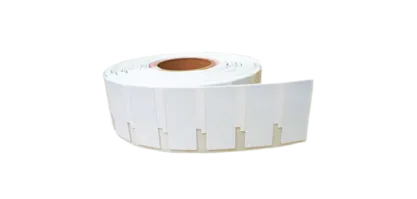 RFID pallet tag
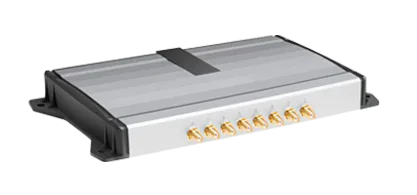 RFID Fixed Reader
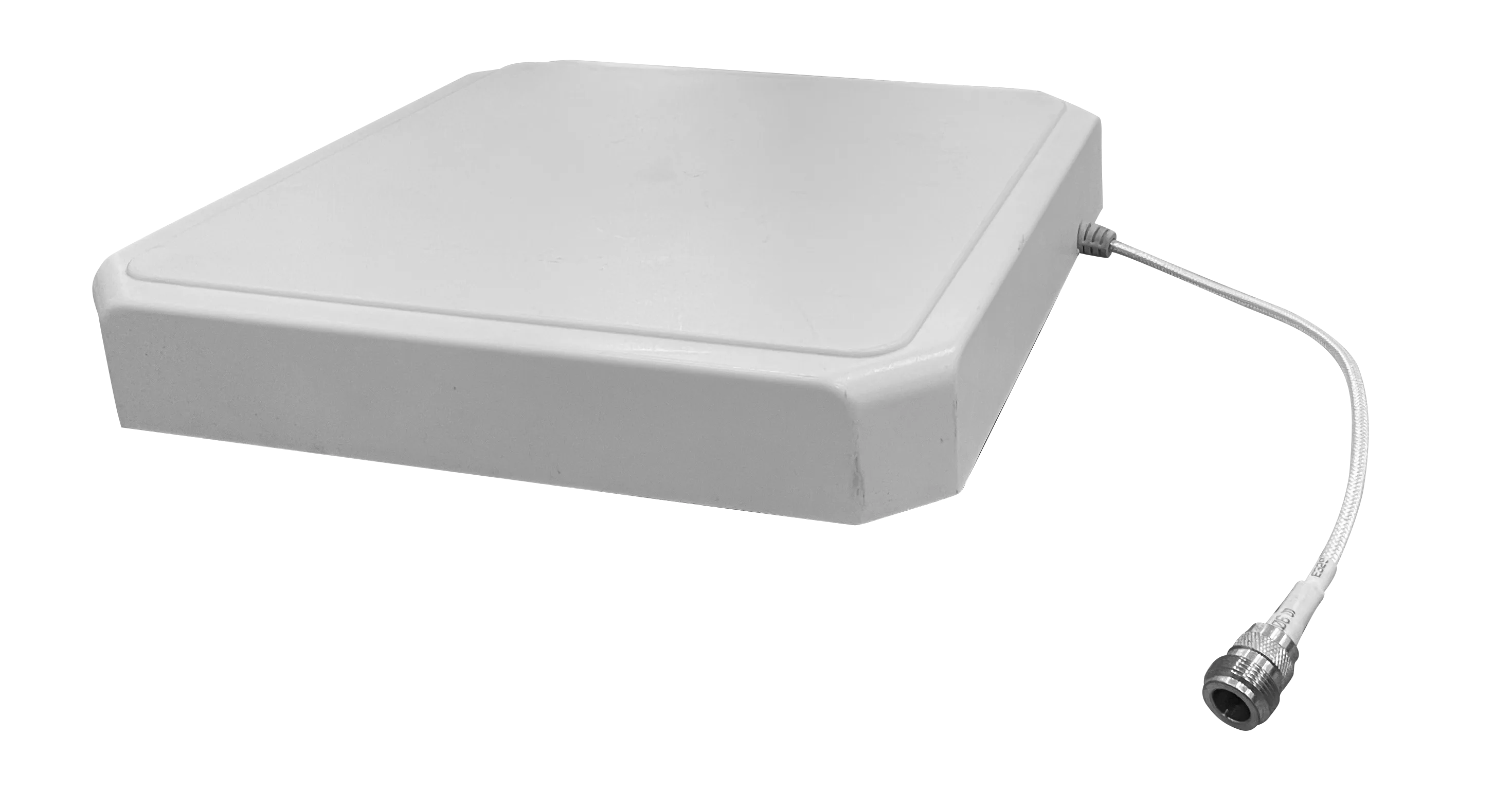 RFID antenna
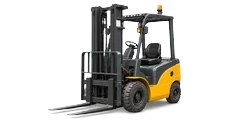 Forklift RFID sensing node (reader + antenna)
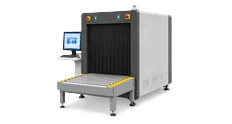 X-ray machine RFID sensing node (reader + antenna)
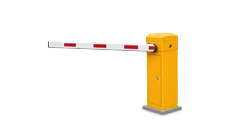 Gate RFID sensing node (reader + antenna)
Results
With many RFID nodes and large data volumes in a large warehouse, how can pallet locations and movement be tracked continuously?
Using RFID pallet tags, Readers, and a large-scale antenna sensing network, continuous reads are turned into pallet presence status and node events, chained along the EPC across storage locations, forklifts, X-ray machines, and gates, while WMS validation and exception handling make pallet status clearer and movement more traceable.