The assets are in the lowest order.
Asset classification, numbering, labelling and desk-to-desk basis for headquarters, branch offices and different locations are not consistent and it is difficult to establish a credible management benchmark.
RFID ASSET MANAGEMENT SOLUTION
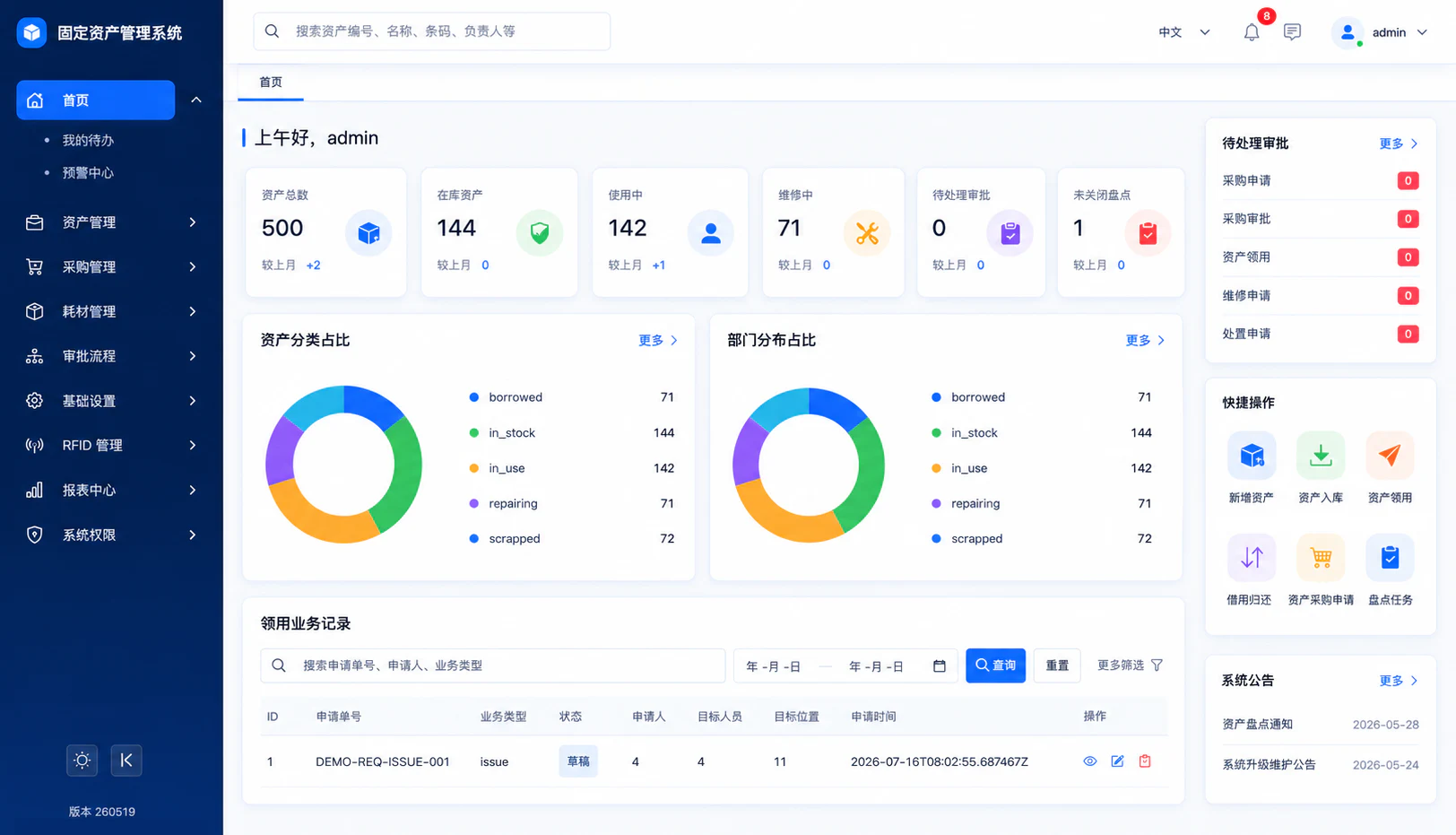
The entire process of managing the inventory to disposal is achieved by linking the identity, responsibility, location, status and historical changes of the asset through Asset Register, business processes, RFID batch recognition and differential processing.
Scope — Mission — Scan Byci — Review — Archive
Unsatisfactory minimum, liability, location and physical on-site
Asset classification, numbering, labelling and desk-to-desk basis for headquarters, branch offices and different locations are not consistent and it is difficult to establish a credible management benchmark.
Assets have moved or been handed over, but the users, the responsible department and the location of the storage are not synchronized.
After the application and approval was completed, which assets were actually handed over without a physical confirmation.
Lack of business continuity and historical records after receipt, loan, transfer, maintenance and disposal.
Assets are distributed in multiple rooms, floors and areas, and the search and scrutinizing of each case makes it difficult to organize the task on the ground.
The close link between review and operational processing has not continued to emerge after the discovery of the surplus, losses, mislabelling and label anomalies.
Asset identification, business change management and inventory of unusual closed loops
The physical correspondence with the asset card is established by the asset number, RFID, bar code or 2D code.
Continuously identify which department, who is using, who is responsible and where is currently being placed.
On-site inventory by region and mission, in real-time comparison between bulk identification and response assets.
Following the discovery of any surplus, loss, mislabelling and abnormal labels, the reasons for the review and the completion of the business process were continued.
Connect operations management, on-site collection, physical assets and basic environment
The first page of the report, Asset Register, is used to pay back the inventory of the waste and the end of the service.
Discrepancies between the assets card company and department personnel and the responsible location of the office, business documents, and inventory of assets
RFID handheld reader |RFID Tag / bar code / 2D | manual confirmation of | offline log
Office equipment | IT equipment | warehouse assets production / assembly equipment | high-value assets
Domestic Linux | Kylin OS | UnionTech UOS | Dameng DM8 | Private Deployment
ASSET MANAGEMENT CORE

Organizational tasks, management of the current state and traceable asset history.
Perform batch scanning, precision review and offline recording.
Each change in assets from procurement to disposal is justified
Identify the origin, quantity and object of receipt and inspection of the assets.
Creates an asset card and completes tag binding.
Confirm the state of storage and current location of storage.
Carry out physical handover and clarify responsibilities for its use.
Description of location, responsibility and change of status through business documents.
Complete approval and disposal and maintain a life-cycle end-of-life record.

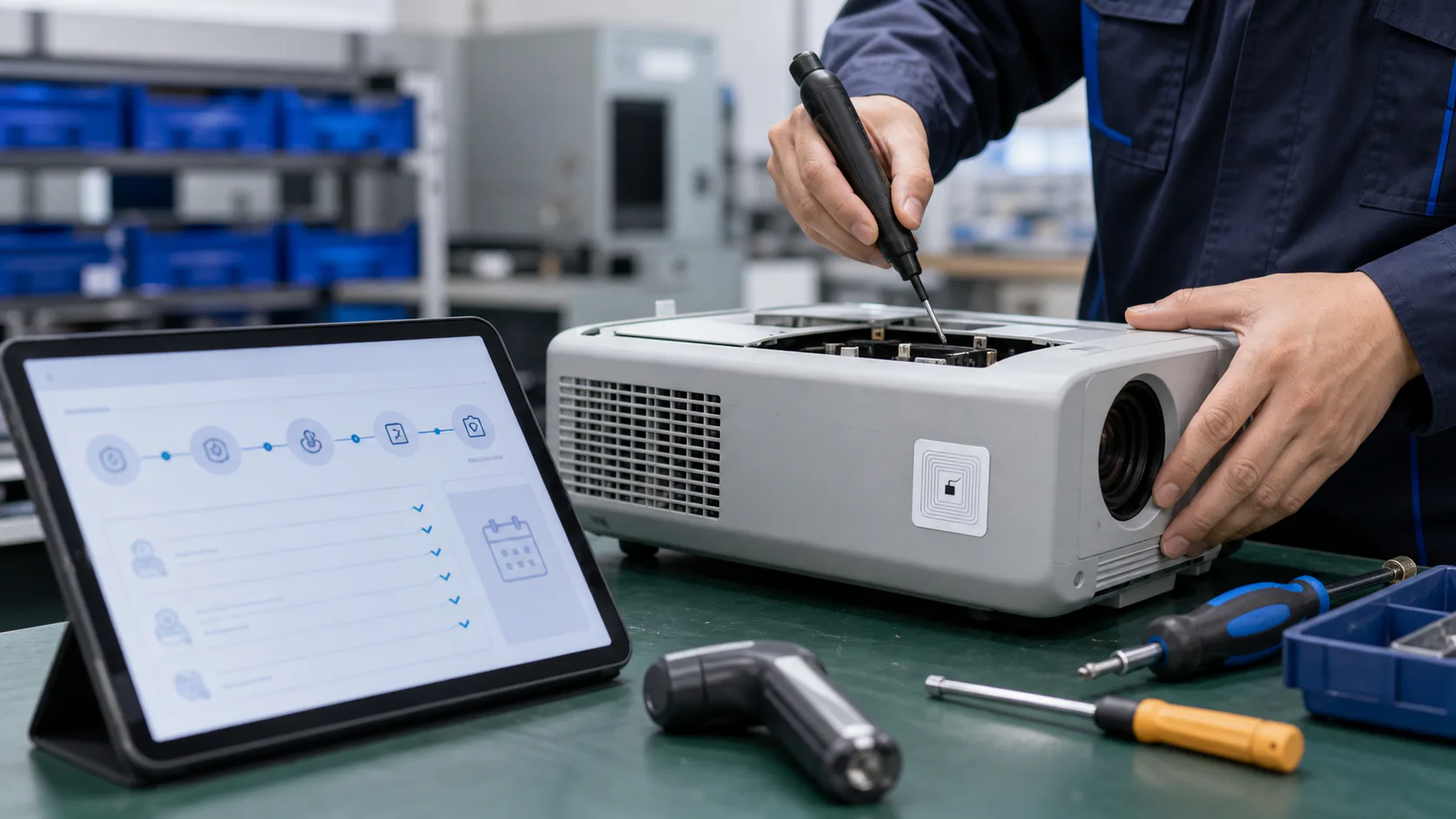
The current Asset Register are updated for each business change and business reasons and asset history are maintained.
Coverage determination, task execution, real-time comparison and discrepancy archiving
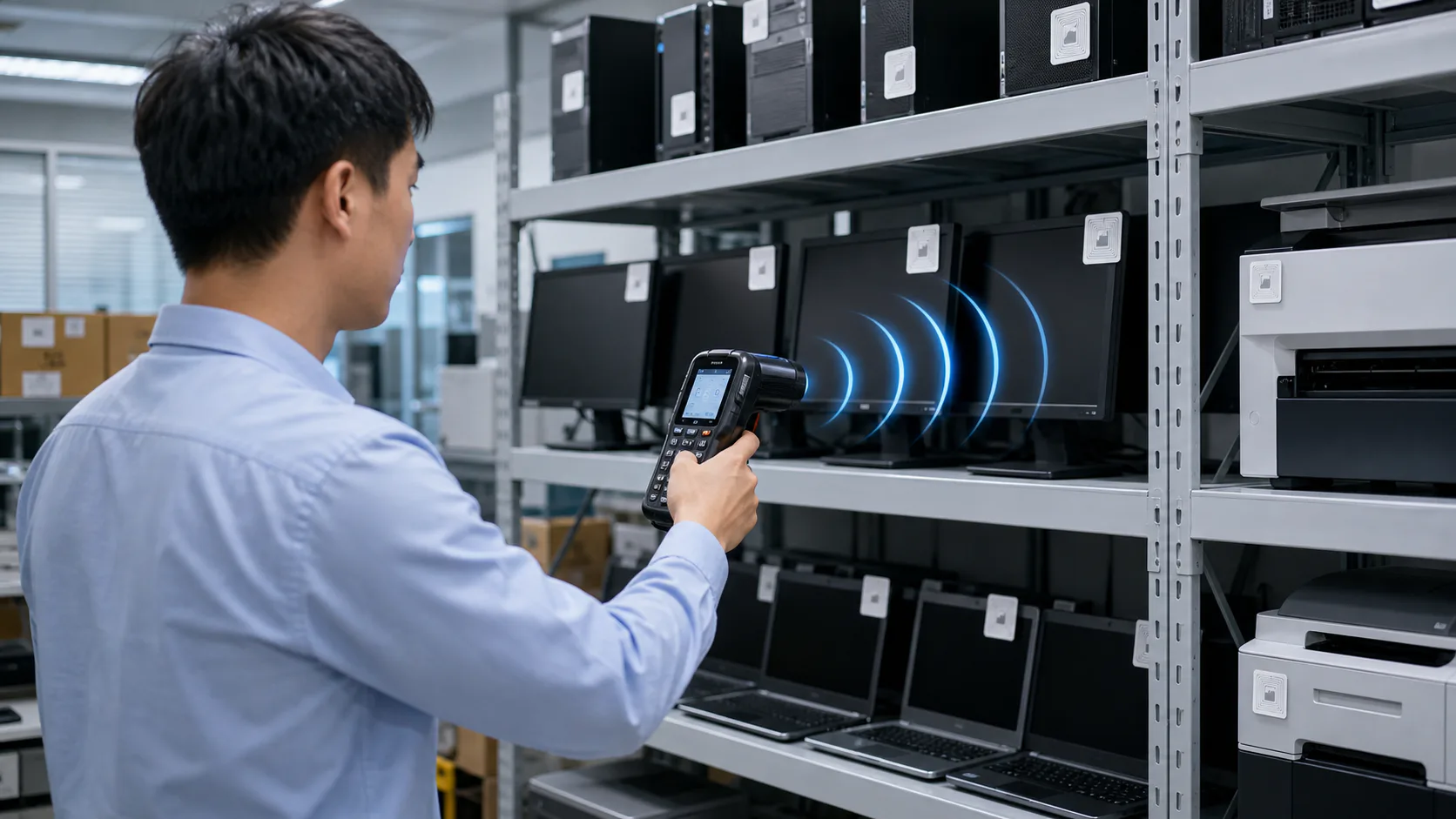
This inventory is identified by company, sector, region or category.
Enter the inventory baseline with Asset Register when the task is created.
Field operations are organized by floor, room, area, department or personnel.
Handheld equipment is entered and a large quantity of nearby assets is found without the need to match them to each item.
The balance sheet, the balance sheet, the balance sheet, the balance sheet, the balance sheet, the balance sheet, the misdirected and the pending review are shown on an ongoing basis.
Re-scan and check the physical, label, location and use of personnel.
The reasons are confirmed and the corresponding business processes are processed, the Asset Register are updated and records maintained.
RFID Batch Identification & Co-ordinate with Barcode, Manual, Offline

Suitable:A large number of rooms, warehouses and office areas with RFID Tag
Advantages:Large amounts of assets can be quickly discovered without a case-by-case approach.
Suitable:Single-scrutinized confirmation, RFID abnormality review and small-scale inventory
Advantages:One confirmation at a time, with clear identification results.
Suitable:Label damage, unreadable and other special assets
Advantages:As a complementary means of avoiding disruption of the entire task by individual assets.
Suitable:Basement, deep warehouse and network unstable areas
Advantages:The grid break-up can still be recorded, and the re-establishment of the network will be synchronized and the number of uploads verified.
The bulk of the assets was found and the unset area was rapidly reduced.
Precision identification of undiscarded, over-exposed and signal border assets.
Checking labels, objects, people, locations and causes of anomalies.
Inventory exception review and business closed-door processing
Review the status of mobile, loan, patch and label, and confirm the reasons for this.
Check cross-regional, unbanked, old labels or duplicated markings, and be assigned or registered as a re-entry.
Determines physical return, or replaces redeployment and updates the current location.
First, identify the real asset, then change the label, re-belt or amend the information.
Portfolio of configurations for different asset types and on-site conditions

Typical assetsServers, switches, storage and network equipment
Management focusLocation Management + RFID Batch Inventory + Precision Review

Typical assetsComputers, monitors, printing equipment and office furniture
Management focusResponsibility to person + position clear + periodic inventory

Typical assetsInstrumentation, detection and laboratory equipment
Management focusUse responsibility + loan for maintenance + historical traceable

Typical assetsProduction equipment, work-loading kits, tools and moulds
Management focusInventory by area, extension of equipment as required by project
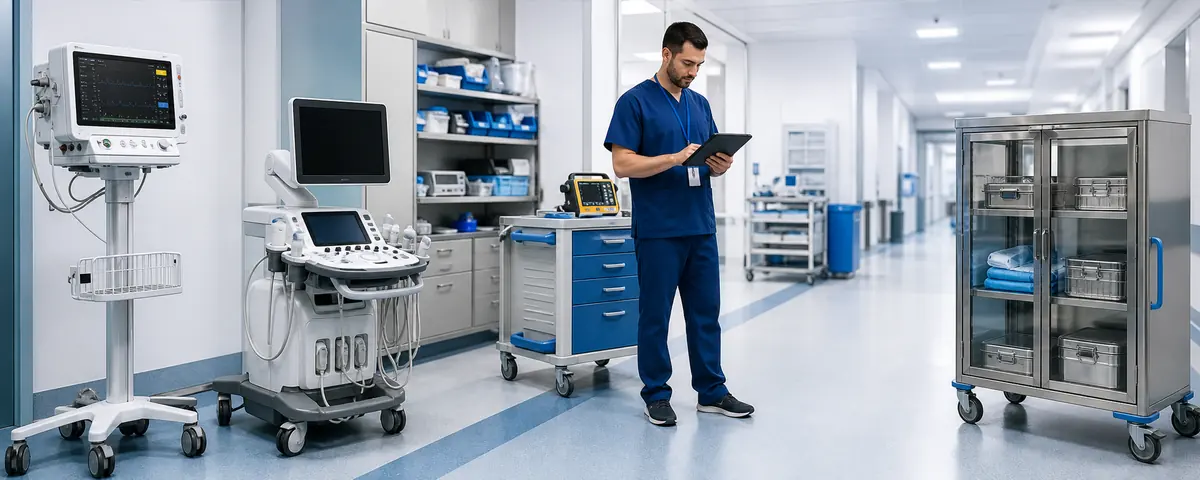
Typical assetsValuable equipment, special equipment and focused management
Management focusIdentity, responsibility, location and history of the process
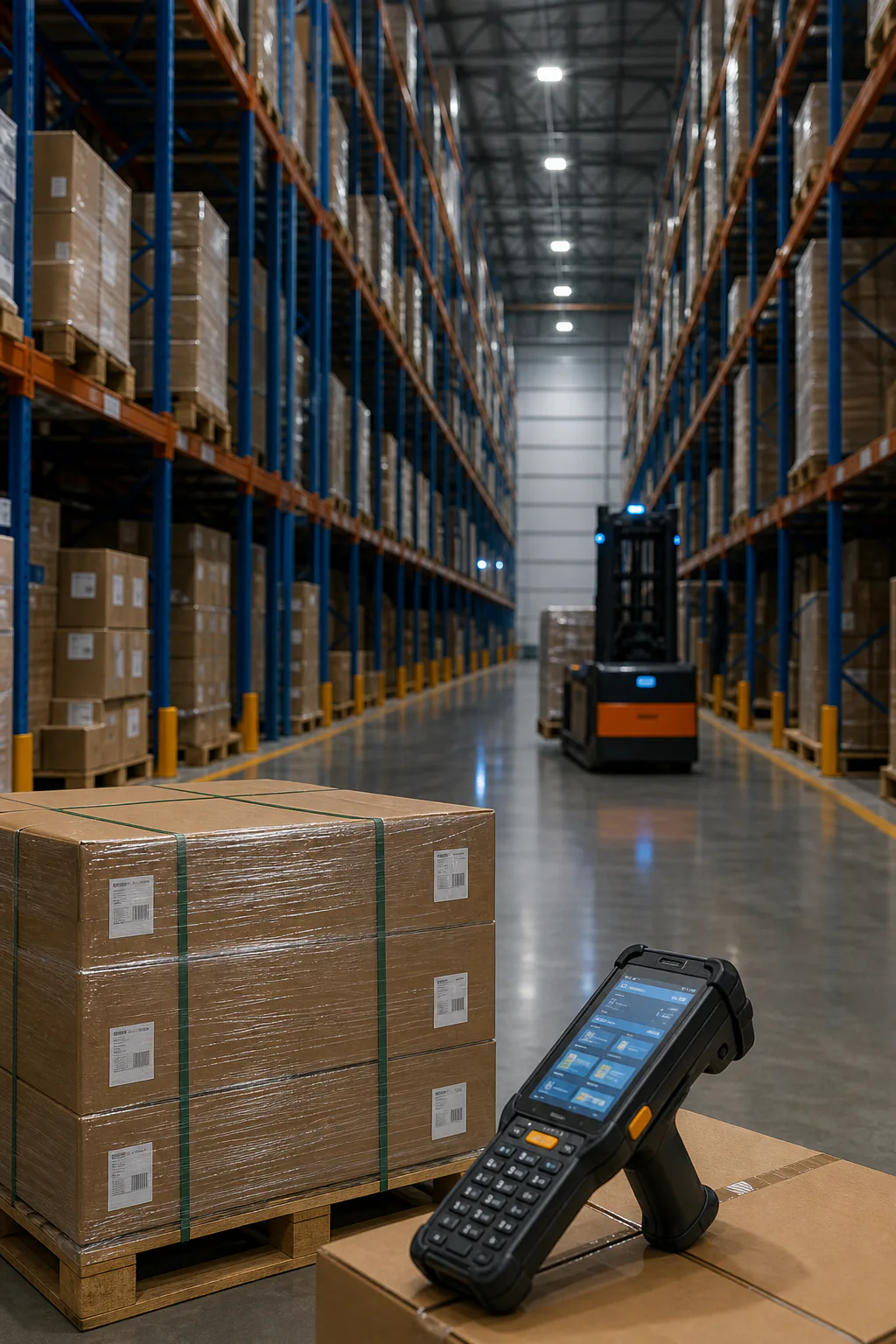
Typical assetsLarge number of assets in the warehouse or pending
Management focusPartition task + RFID batch scan + offline count
From standard harmonization and Asset Register clean-up to pilot roll-out
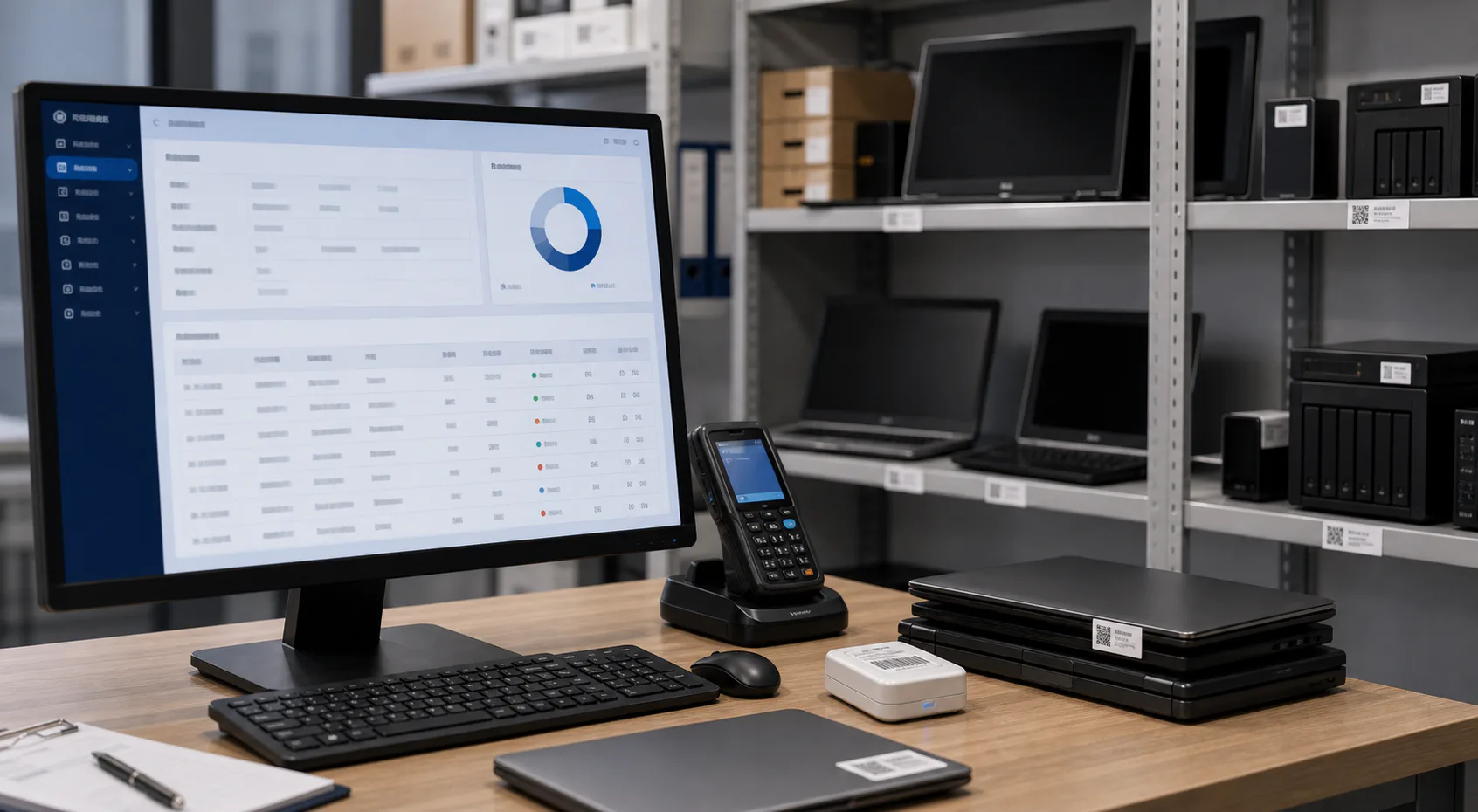
Harmonize asset classification, asset coding and labelling rules.
- Combination of companies, departments, personnel and storage locations.
Imports and collates existing asset data.
Creates a binding between the asset and RFID, bar code or 2D code.
A breakout count revealed the current discrepancies.
Look into the reasons and calibrate Asset Register.
Expansion to more sectors, regions and asset types.
Let the different positions be based on the same asset as the actual one.
Check my assets, loan period and application for assets.
Attention to departmental assets, approvals, delays and inventory discrepancies.
Responsible for Asset Register, labels, business execution, inventory and abnormal closed loops.
Processing of physical incoming and outgoing, inventory tasks, scanned progress and assets pending review.

Group by scene with handheld disc and RFID Tag core
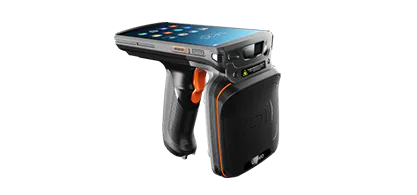
For sector inventory, bulk identification, site search and unusual review.
View Devices
The digital identity of the asset and the physical object may be created by combining a visual number, bar code or two-dimensional code.
View Devices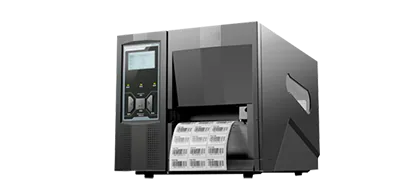
The printing, writing and labelling of labels are completed as required by the project.
View Devices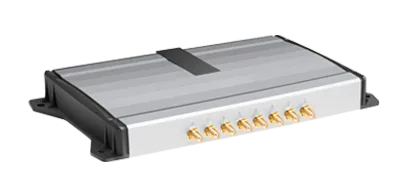
Automatic identification can be performed at a particular operational node or region, and the configuration depends on the on-site programme.
View Devices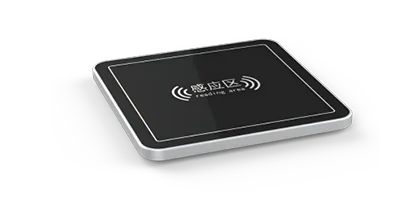
For initialization of labels, data writing and close-range verification.
View Devices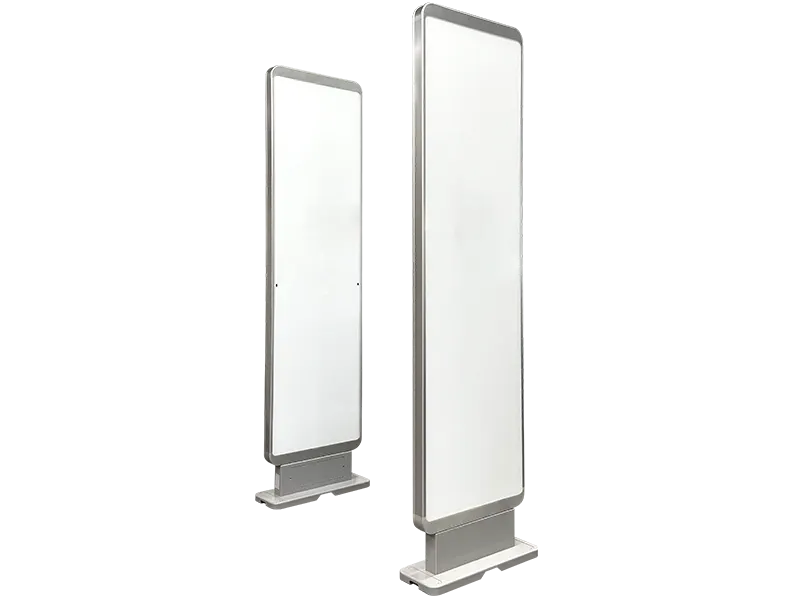
Asset perception that can be used for specific access points, not all Fixed Assets projects are default configurations.
View DevicesMaintaining the physical consistency of the billing with the live items
The asset classification, numbering, labelling and billing form the basis for a unified management.
There is a continuing knowledge of who uses the assets, who is responsible and where they are currently being placed.
Assets are recorded and biographicalally on a continuous basis from the time of their entry into the bank to their disposal.
The RFID batch recognition reduces the number of search and scans per case.
Once problems are identified, the review, reasons are confirmed and operational processing completed.
View Fixed Assets management platform
Related System
The actual system interface for Asset Register, asset cards, business flow, RFID inventory and discrepancy processing is available.
Centralized description of the selection of labels, field counts, discrepancy processing, national deployment and interface integration.
The bar code or 2D code usually requires a piece-by-case alignment; RFID can read the nearby labels in bulk within a certain range, and is more suitable for a larger number of widely distributed sites.
Not required. The project can be combined with RFID, bar code, 2-D code and manual confirmation based on the number of assets, material, label installation conditions and the frequency of inventories.
New versions of information support offline recording.
Maintenance of on-site scanning records, review of physical, labelling, location and use of personnel; confirmation of reasons for return to location, redeployment, re-registration, labelling or other corresponding business processing, and final update of Asset Register and maintenance of records.
The regional pilot inventory and reconciliation of the differences can be selected after importing and cleaning existing asset data and harmonizing classification, coding and labelling rules.
The new version supports deployment in the Linux server environment, which is home to galactic gills, unicodes, and privatization deployments in the Dhammong DM8 database and in the unit's internal network.
The interface may be integrated with existing OA, Enterprise Micro-Credit, Nail, Flying Book or other business systems as required by the project, to the extent that the project recognition results are used.
Contact Us
Tell us about your business scenario. We can help define the right tags, hardware, platform, and deployment approach.