
RFID Software Platform
RFID Warehouse Management System
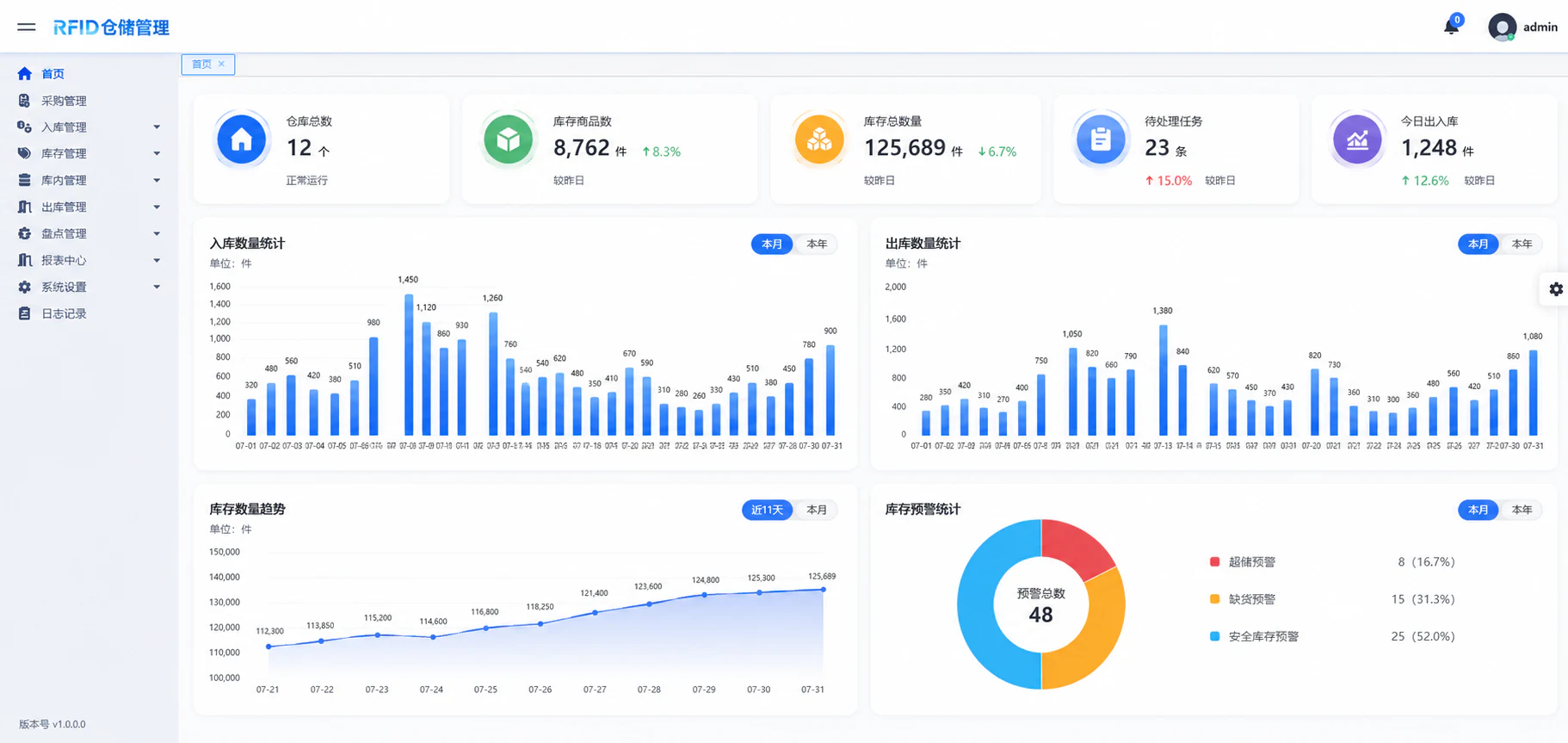
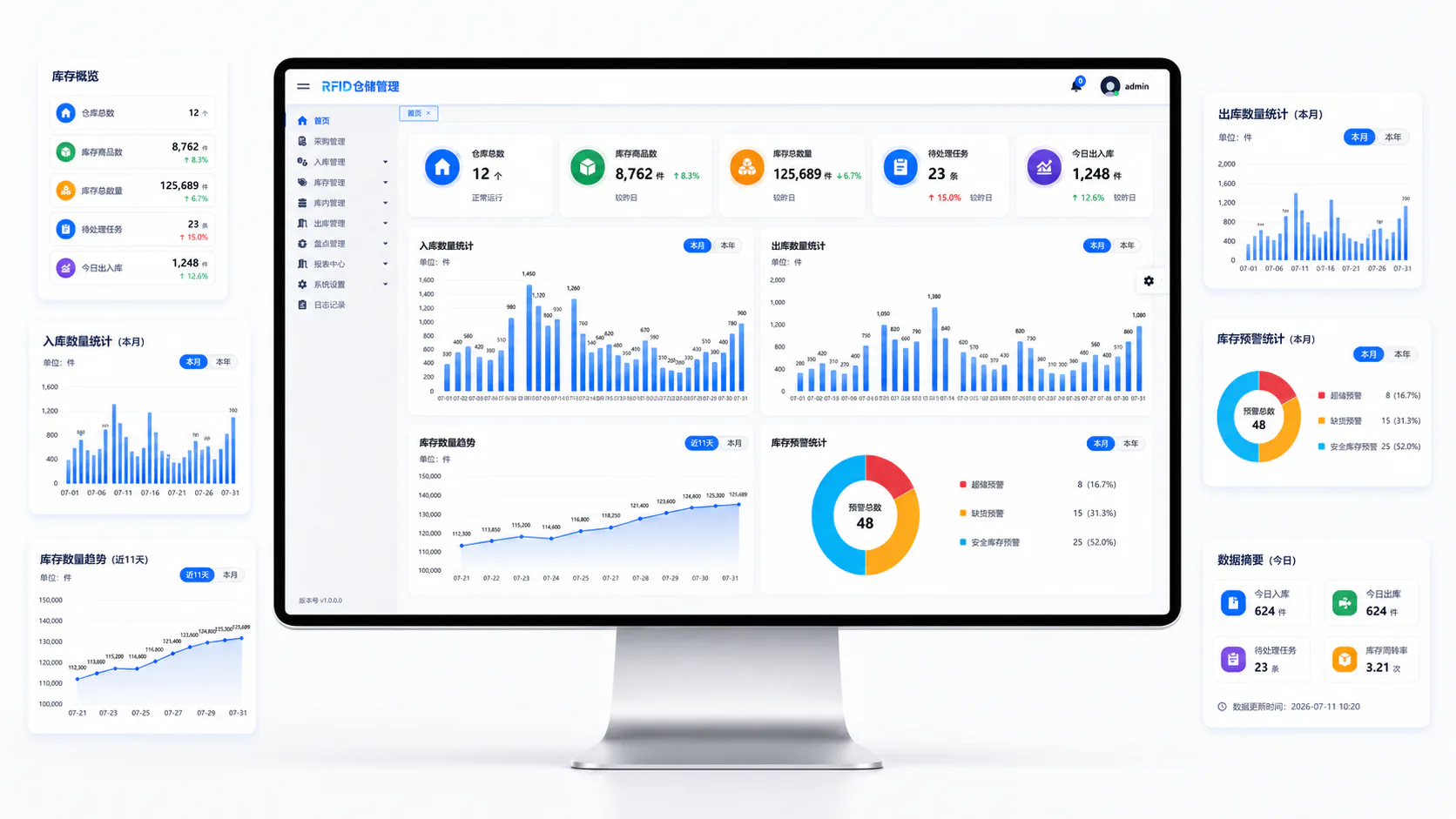
The warehouse manager is responsible for the creation and on-site implementation of documents, maintenance of basic information and inspection of inventories by the material manager, and the control of operations by the department head and system manager through access permissions, logbook and statistical data.
System Overview
The warehouse manager is responsible for the creation and on-site implementation of documents, maintenance of basic information and inspection of inventories by the material manager, and the control of operations by the department head and system manager through access permissions, logbook and statistical data.
Managed Assets
RFID Tag
Warehouse
Warehouse position
Inventory
Business documents
Management issues addressed by the system
Unsatisfactory information
Untransparent operation
Physical identification is easily error-prone.
Inventory location difficult to confirm
Lack of basis for processing inventory discrepancies
Fuzzy boundaries of responsibility and competence
Core business processes
Building basic information
Create and manage labels
Create business documents
On-site scanning execution
Confirmation of results of operations
Query and Retroactivity
Functional summary
1
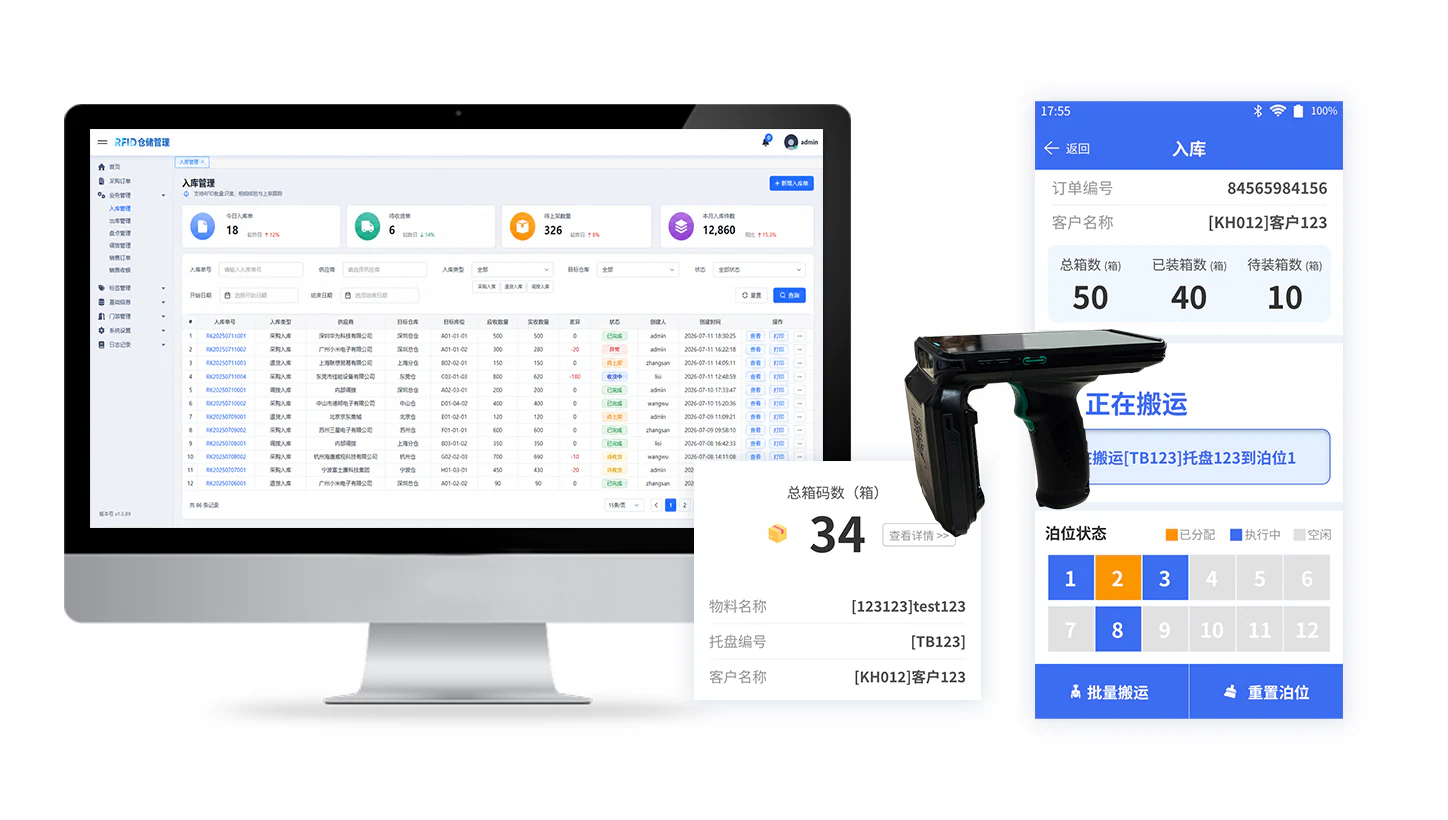
Library management
Supports the creation of inventory lists, scanning labels and entry details, and the simultaneous updating of inventories, storage and label status when completed.
2
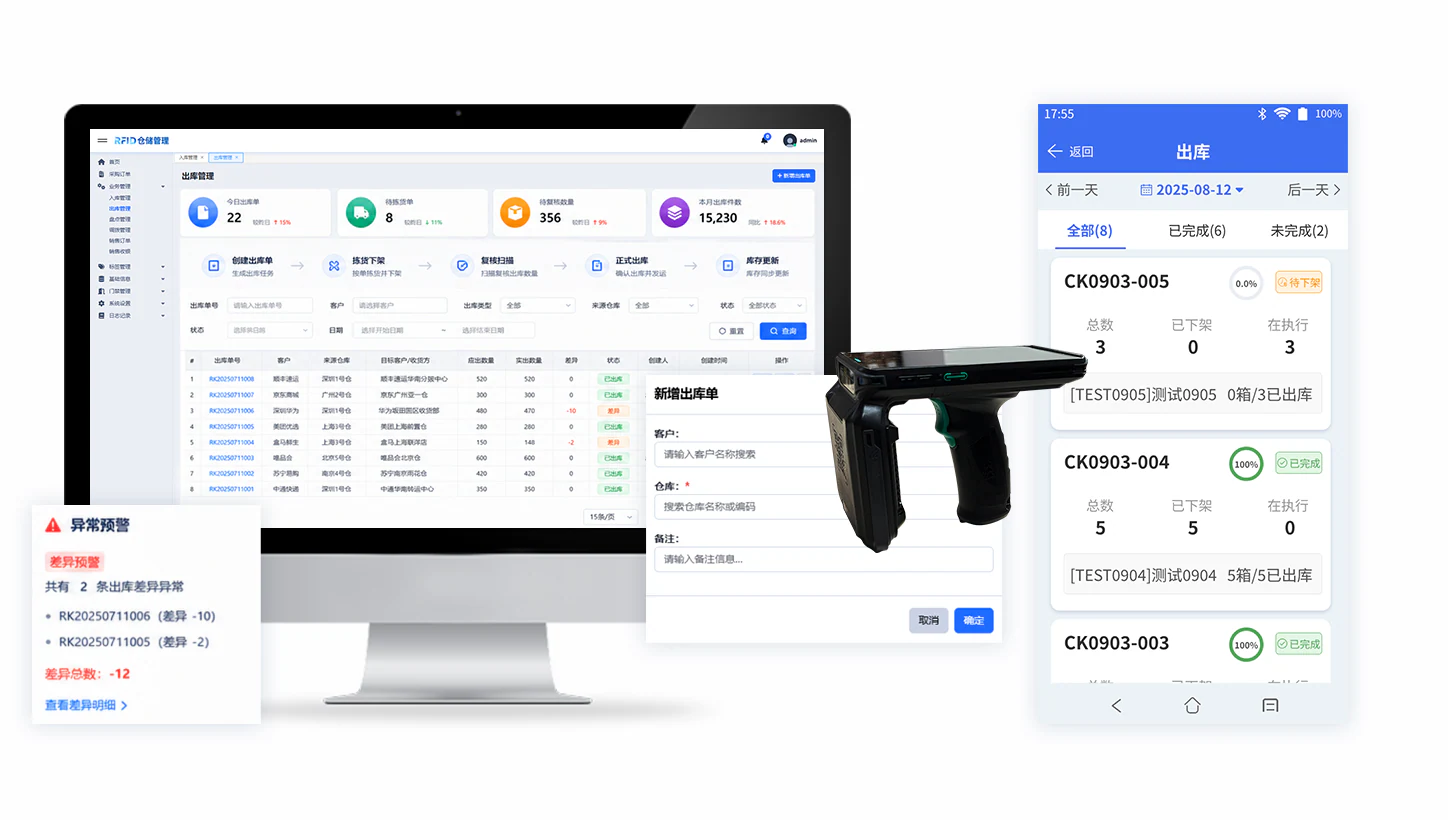
Out-of-house management
The inventory is automatically deducted after confirmation, by creating a warehouse list by client and warehouse, reconciling the planned quantities with the actual scanning results.
3
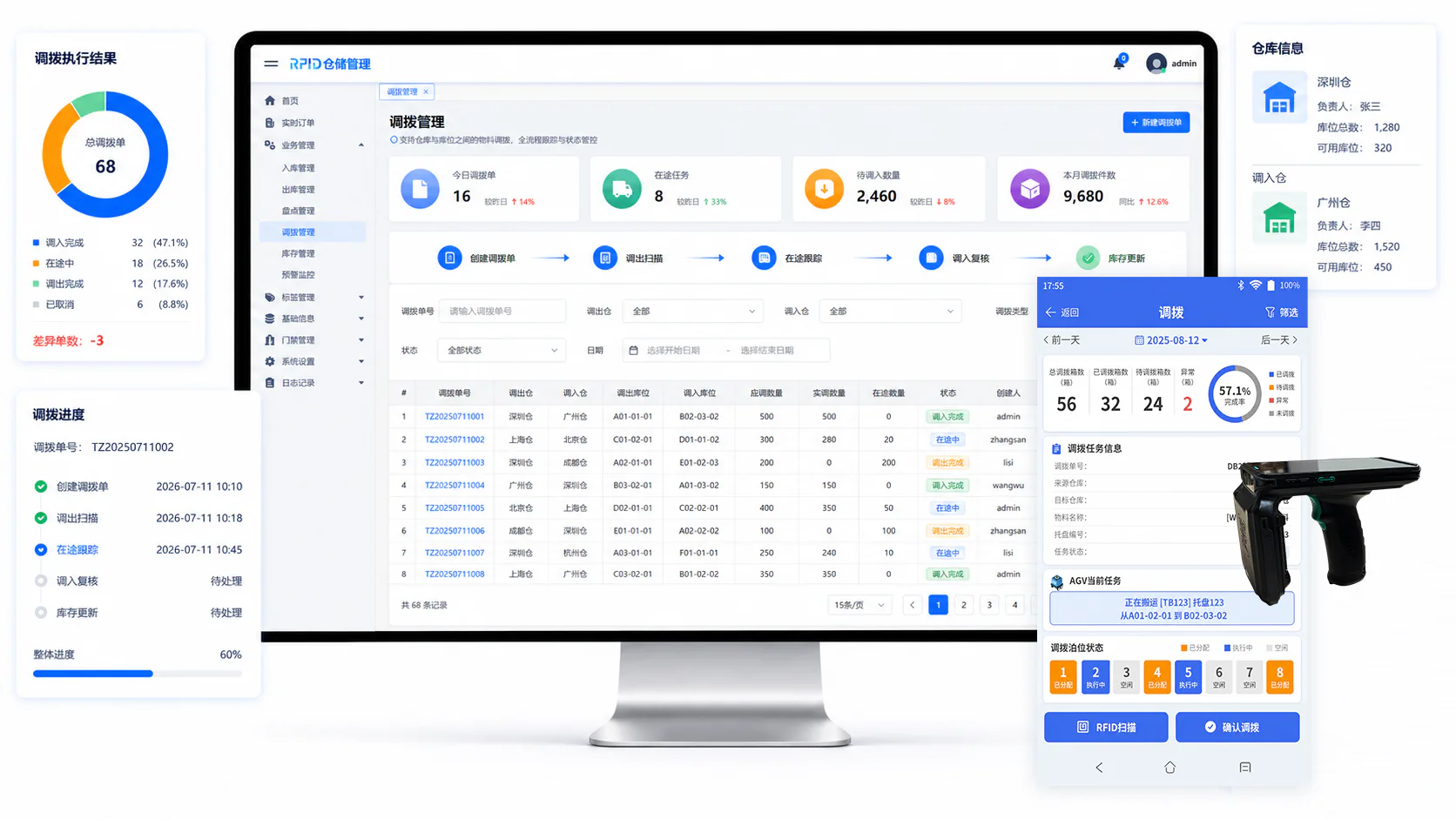
Redeployment management
Supports the transfer between warehouses and storage positions, records the state of departure, transit and transfer and captures the current location of the material.
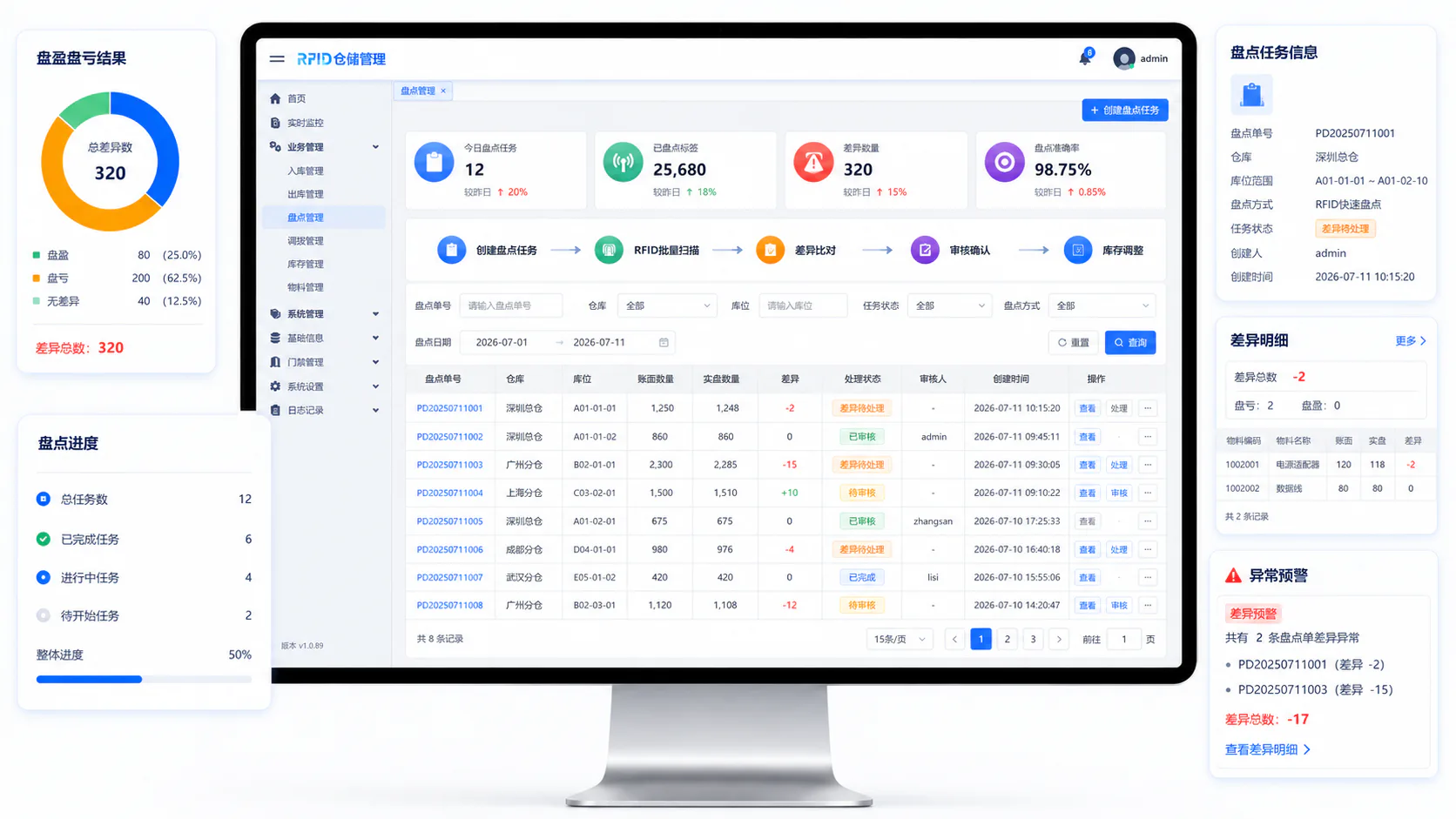
4
Inventory Management
Through RFID bulk count, automatically compares book and physical data, viewes the excess and the loss and handles the differences.
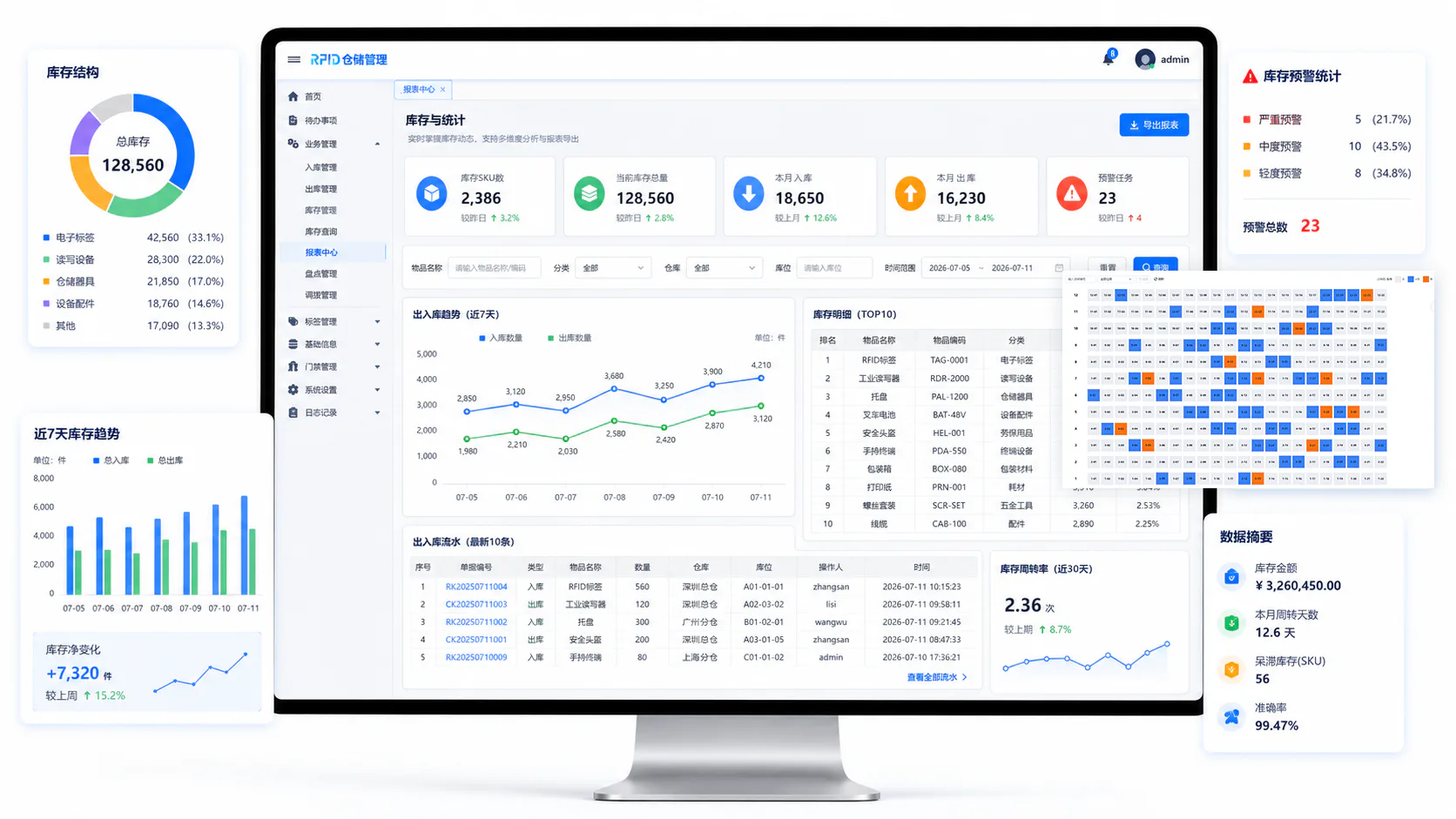
5
Inventory and statistics
Search for stock quantities, storage locations and flow of water into and out of storage, and support multi-conditional screening, aggregation and export.
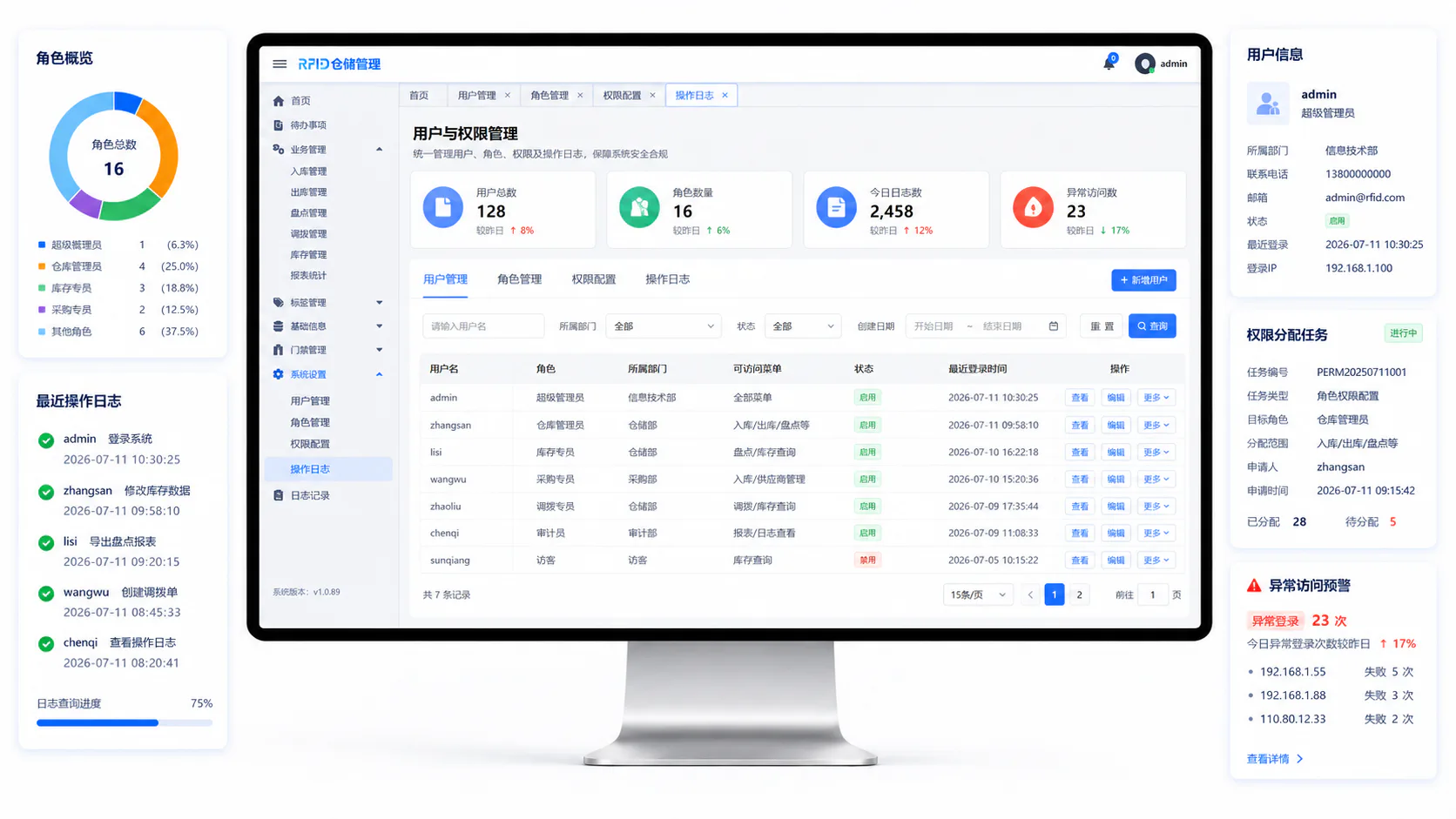
6
Permissions and Logs
Distribution of operational privileges by user and role, recording of critical operations, facilitating accountability verification and operational traceability.
Software Features
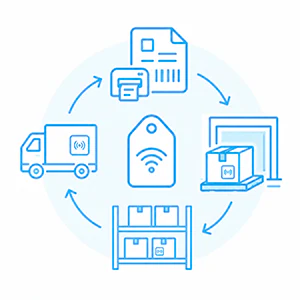
The label runs through the whole process
RFID Tag is associated with articles, storage space and business documents, covering printing, binding, entering, inventorying and exit.
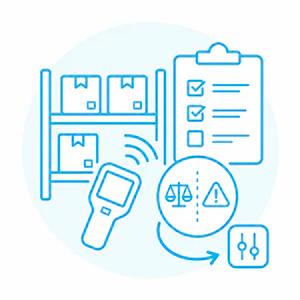
Document and Scan Verification
Automatically check the details of the plan and the actual scan results, indicating more, less and less of the anomaly tags.
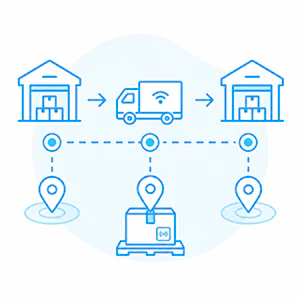
Clear redeployment status.
Separate movement, in transit and during the in-transmission phase, and take real-time control of the location of the material.

Inventory Difference Controllable
Automatically generate a gain or loss on the basis of a review and authorization to adjust standard differences.

Operational records are traceable
Inventory, documentation, labelling, storage and operating time are interrelated and allow for a search flow process.
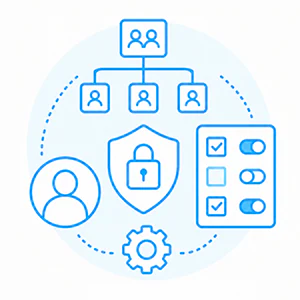
Permission control detail
This can be done by character control queries, additions, modifications, audits, adjustments and exports.
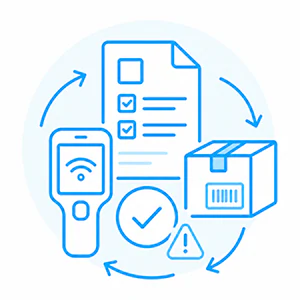
Device connection stable
Supporting the disconnection, data graft and bulk submission to ensure continuous on-site operations.

Query Export Flexibility
Supports group filtering, column display settings and batch export to meet the needs of different jobs.
Management Value
Establish a common quality of data on goods, warehouses, storage and labelling, and secure the basis for stockpile management.
The process of cross-post collaboration is clearly visible by regulating the receipt, dispatch, transfer and operation of documents and status.
Reduction of errors, leakages, duplicates and discrepancies through scanned verification, discrepancy recognition and status restrictions.
Link inventory results to business documents, label flow and operating records, and identify when the problem occurs and where responsibility for it is being handled.
The basis for procurement arrangements, stock allocation and management checks is provided through inventory statistics, access to reservoirs and aggregated data.
(c) To improve the normative and controlability of warehousing operations by reducing the risk of inventory disruption and over-authorization through on-line status, grade-checking and fine-tuning of controls.

Related Solutions
Related Solution
RFID Warehouse Management Solution
Digitize and automate receiving, shipping, inventory counts, transfers, and bin management with end-to-end traceability.

FAQs
Does the system have to replace the existing WMS?
Not necessarily, as a RFID data collection layer docks with the existing WMS / ERP.
Which warehouses are suitable for use with RFID?
A storage scene suitable for SKU bulk recognition, turnover, inventory pressure or batch tracking.
Do you support the fixed RFID Reader and handheld terminals at the same time?
Support, which can be deployed on the basis of a combination of access to the library and mobile inventory scenarios.
Contact Us
Need Guidance for Your RFID Project?
Tell us about your business scenario. We can help define the right tags, hardware, platform, and deployment approach.