
Client typeSports brand retail chain
Case Detail
RFID Retail Management Project for a Sports Brand Chain Store
An integrated solution of ERP, RFID tags, RFID handheld terminals, smart checkout devices, and RFID security gates unifies receiving, stocktaking, item finding, sales settlement, and anti-theft verification, improving inventory accuracy and the customer experience.
Access Program
Managed AssetsSports footwear, apparel, backpacks, and accessories
Application SystemERP and RFID store retail management system
Core applicationsRapid stocktaking, smart checkout, security gate loss prevention, and inventory visibility
Client Background
The client is a sports brand retail chain whose stores sell footwear, apparel, backpacks, and accessories across many style, color, and size combinations.
Receiving, stocktaking, and checkout previously relied on item-by-item barcode scanning, making stocktaking laborious and inventory updates slow, while stockouts, misplaced items, and losses went unnoticed for too long. The client wanted ERP combined with RFID devices to achieve item-level management, rapid stocktaking, smart checkout, and security gate loss prevention.
Project Challenges
Many styles and sizes make stocktaking error-prone
A single style comes in many colors and sizes, so manual counting is slow and prone to missed or incorrect counts and book-to-physical mismatches.
Store losses are hard to spot in time
Goods move constantly between the sales floor, fitting rooms, and the stockroom, and conventional anti-theft methods struggle to identify unsettled items accurately.
Inefficient Checkout
Customers buying several items must have each barcode scanned, which causes queues at peak times and hurts the shopping experience.
Inventory data updates lag
Receiving, transfer, sales, and return data are not synchronized in time, which hampers replenishment, transfers, and identifying fast or slow movers.
Solutions
The project uses an integrated solution of ERP, RFID tags, RFID handheld terminals, smart checkout devices, and RFID security gates. Every item is bound to a unique RFID tag linked to its style code, color, size, price, and stock status.
For receiving, stocktaking, and item finding, staff read goods in batches with RFID handheld terminals while the system verifies quantities and updates inventory. At checkout, multiple items are identified and priced in one pass at the RFID area, and paid items are added to the security gate whitelist automatically.
The RFID security gate at the store exit verifies settlement status automatically: unpaid goods trigger a light-and-sound alarm while settled goods pass normally. The system also integrates with the ERP platform to manage item, inventory, sales, transfer, and store data in one place.

Batch store receiving and stocktaking

RFID smart checkout

Automatic security gate loss-prevention verification

Inventory and sales data sync
Workflow
Item data sync
RFID tag printing and binding
Batch store receiving
Put items on the shelf for sale
Rapid stocktaking and item finding
Smart identification and checkout
Add to the security gate whitelist
Automatic security gate verification
Inventory and sales data sync
Key Functions
Commodities and RFID Tag Management
Syncs style code, color, size, and price data and gives every item a unique RFID identity, supporting tag printing, binding, reprinting, and tag replacement.
Smart Store Receiving
Uses RFID handheld terminals to read incoming goods in batches and automatically verify items and quantities against the transfer or delivery note.
RFID fast-track inventory
Reads many items within range at once and automatically flags surplus, shortage, and misplaced items, improving store stocktaking efficiency.
Fast item finding
Locates the target item by style code, size, or item number using an RFID handheld terminal.
Smart checkout
Place multiple items in the reading area and the system reads quantities and prices automatically, removing item-by-item scanning.
Security gate loss-prevention verification
The security gate identifies settlement status automatically and raises a light-and-sound alarm when unsettled goods are taken out, reducing loss risk.
Inventory and transfer management
Updates store receiving, sales, return, and transfer data in real time so managers can see inventory across stores.
Dashboards and ERP integration
Presents inventory, sales, stocktaking variances, and loss data in one place and syncs item and business data with ERP.
Deployment
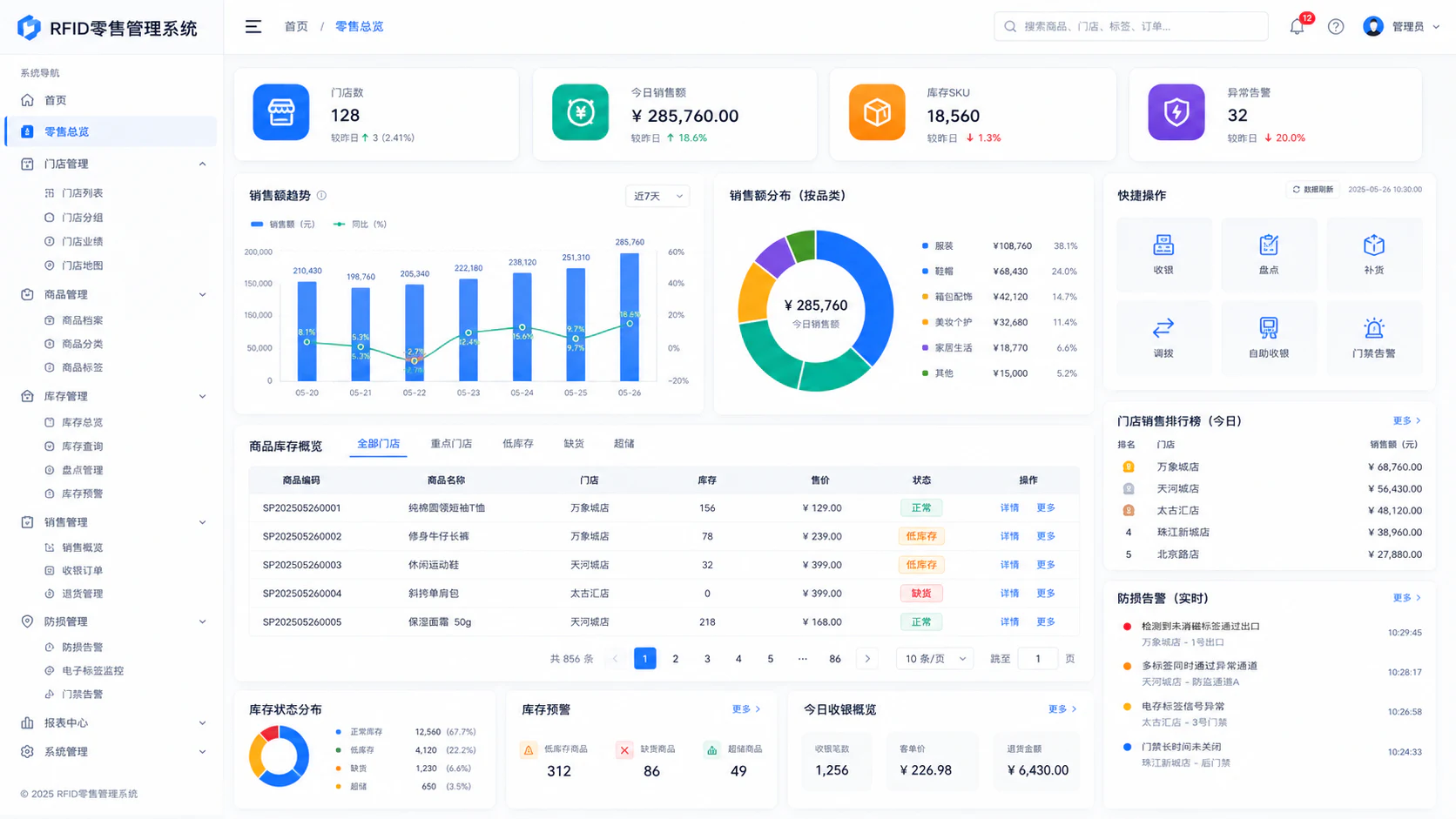
A. Software systems
- ERP and RFID retail management platform
- Item and tag management
- Store receiving and inventory management
- RFID stocktaking and item finding
- Smart checkout and sales management
- Security gate whitelist and alarm management
- Transfers, returns, and exception handling
- Dashboards and statistical analysis
B. Hardware equipment
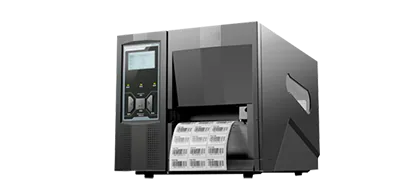 RFID Label Printer
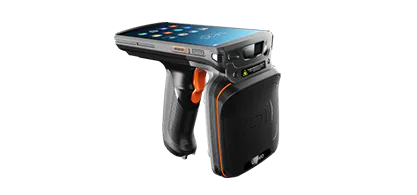 RFID Handheld Terminal
 RFID Self-Checkout Systems
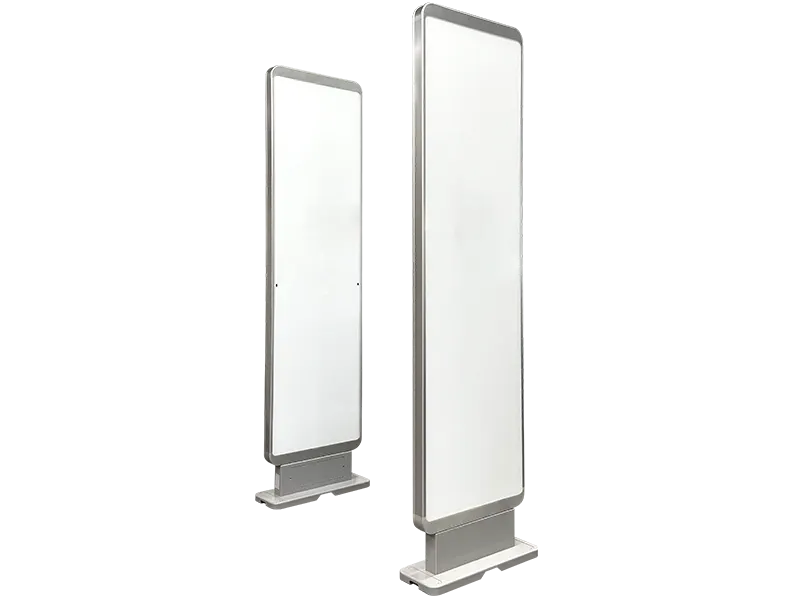 RFID smart security gate
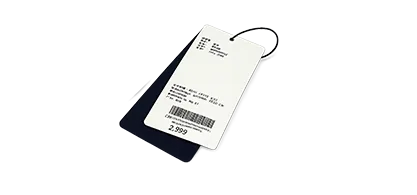 Commodity RFID electronic label
Results
Too many styles and sizes, slow stocktaking, and checkout queues — how can you improve store efficiency?
RFID gives every item a unique digital identity that links receiving, stocktaking, item finding, checkout, and security gate verification for more accurate inventory, faster checkout, and more efficient store management.