
Served usersParticipants and spectators
Case Detail
RFID Self-Checkout and Merchandise Management at a Sports Event
For participants' and spectators' on-site shopping needs, RFID item tags, self-checkout terminals, handheld stocktaking devices, and security gates support batch identification of multiple items, self-checkout, fast stocktaking, and abnormal movement alerts, balancing shopping convenience with on-site merchandise management.
Access Program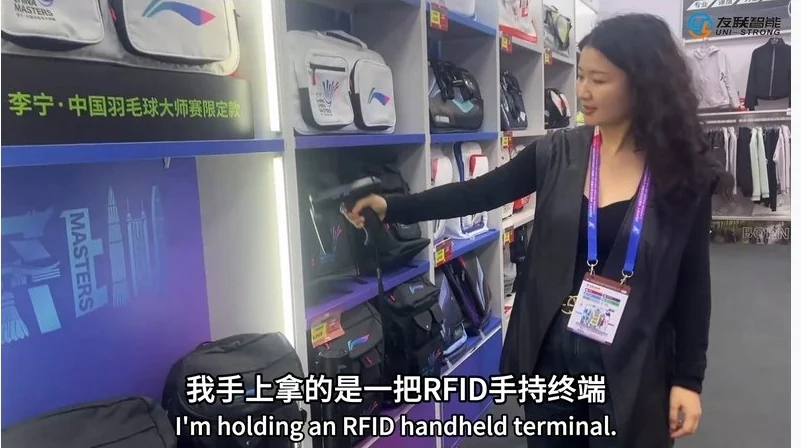
ApplicationsSports merchandise retail at a sports event venue
Managed AssetsSportswear, athletic footwear, and related sports goods
Core applicationsSelf-checkout, fast stocktaking, loss prevention
Project background
During a well-known sports brand's annual badminton event, on-site retail service needs to serve participants' and spectators' purchases of sportswear, footwear, and related goods, while also keeping merchandise counting, inventory verification, and entrance and exit control in order.
The project applies RFID to on-site retail, running staffed and self-service checkout in parallel to give customers different payment options, while handheld stocktaking devices and security gates support staff in day-to-day merchandise management.
Project Challenges
On-site shopping needs convenient checkout
When participants and spectators buy multiple items, they need a clear and convenient way to verify and pay for goods, with less item-by-item scanning.
On-site service needs flexible organization
The retail site needs to balance self-service payment with staffed service so different shopping needs are supported.
Merchandise counting and security need to be balanced
Staff need to complete routine merchandise counting and verify entrance and exit exceptions in time, balancing service and merchandise management.
Stable identification for multiple items
When participants and spectators buy several items at once, the goods placed in the reading area need to be identified completely so that list verification and subsequent payment are not affected.
Solutions
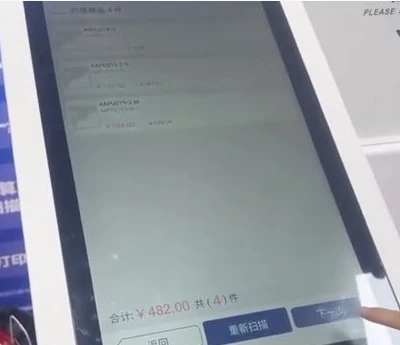
RFID tags give each item a readable electronic identity. Together with the self-checkout terminal, multiple items placed in the reading area are identified in a batch, and the item list is shown on screen so customers can verify and pay.
The site uses both staffed and self-service checkout rather than relying on self-service devices alone, giving participants and spectators different payment options.
On the operations side, staff use RFID handheld terminals to read item tags along the shelves, supporting closing-time stocktaking; the entrance and exit RFID gate raises exception alerts for unauthorized item movement, supporting staff verification and handling.
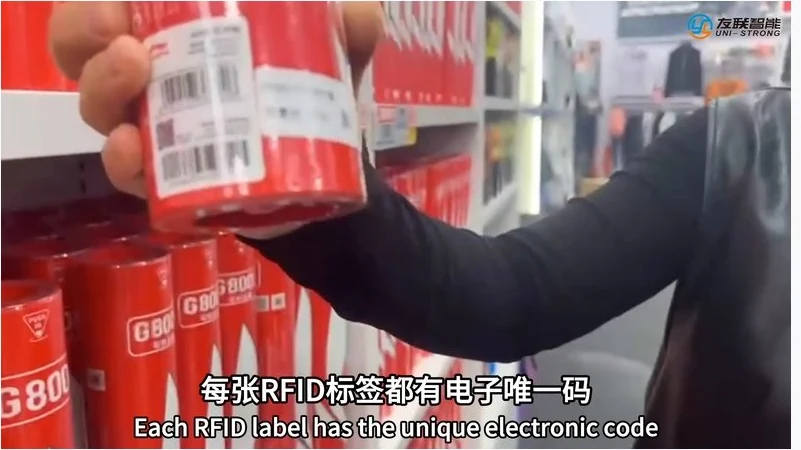
Item RFID tag identification
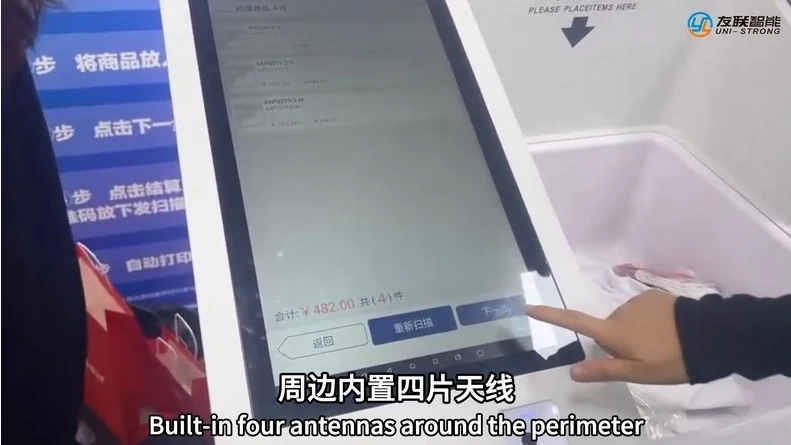
Self-checkout for multiple items
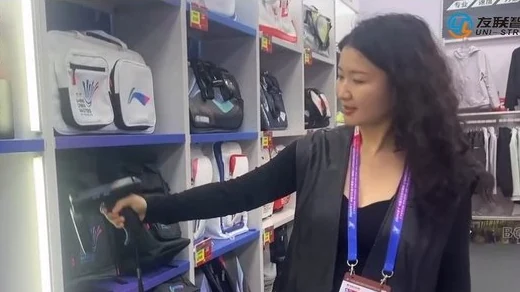
Fast stocktaking with a handheld device
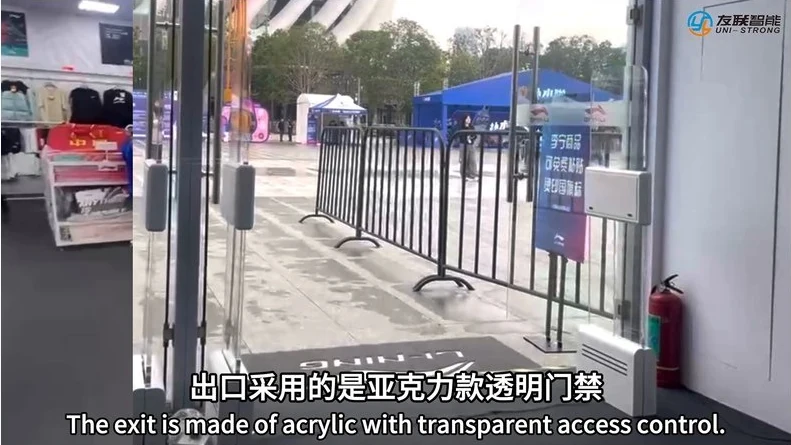
Entrance and exit loss prevention alerts
The images are frames from the on-site video of this project.
Workflow
A. Customer shopping and checkout
Select items
Place items in the RFID reading area
Batch item identification
Verify the item list
Complete payment following the on-screen guide
On-site staffed checkout remains available alongside self-checkout.
B. Staff stocktaking
Use an RFID handheld terminal
Read item tags along the shelves
Review stocktaking results
Verify items as needed
The security gate is an independent entrance and exit control step that raises exception alerts for unauthorized item movement; it is not something that runs only after stocktaking is complete.
Key Functions
Item tag identification
Identifies items via RFID tags, providing the basis for reading multiple items and for stocktaking.
Batch reading of multiple items
Customers place multiple items in the reading area and the device reads the tags in a batch, reducing item-by-item scanning.
Item list verification and self-checkout
The terminal displays the identified item list so customers can verify it and complete payment following the on-screen guide.
Staffed and self-service checkout running in parallel
Both staffed and self-service checkout are available on site to serve different payment needs.
Fast handheld stocktaking
Staff use RFID handheld terminals to read item tags along the shelves, supporting routine or closing-time stocktaking.
Abnormal item movement alerts
The RFID gate raises an exception alert when unauthorized items pass through, helping staff verify and handle the situation.
Deployment
A. Software systems
For on-site shopping and merchandise counting, it provides RFID item identification, checkout item list display, self-checkout operation, and handheld stocktaking support.
- RFID self-checkout system and handheld stocktaking application
- RFID item identification
- Checkout item list display and verification
- Self-checkout operation
- Handheld stocktaking and reading result review
B. Hardware equipment
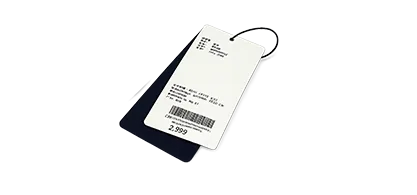 RFID item tag
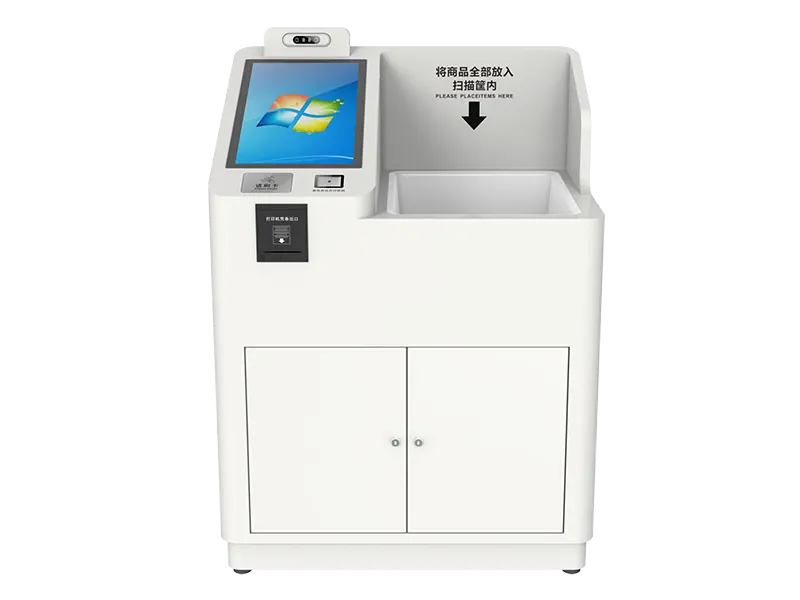 RFID Self-Help self-checkout Terminal
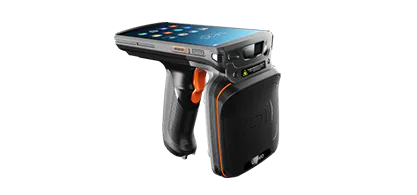 RFID handheld reader CD-C Terminal
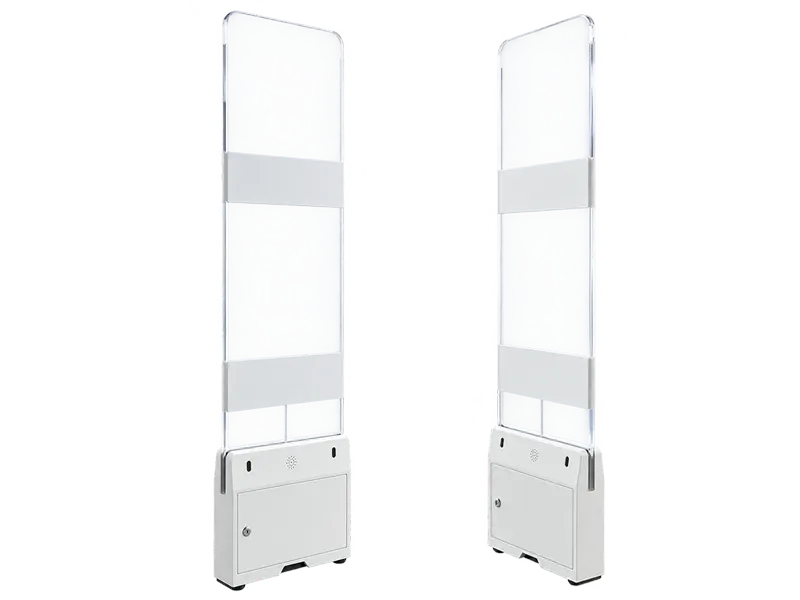 RFID security gate
Results
The descriptions above come from the on-site video and are not independent test data. Completing item identification does not mean payment is complete; stocktaking time depends on item quantity, staffing, and on-site conditions and is not a uniform performance figure for all stores.
How can an event venue balance convenient shopping, fast stocktaking, and loss prevention?
RFID item tags, self-checkout, handheld stocktaking, and security gates give participants and spectators a convenient way to pay while supporting staff in merchandise management. Contact Youlian Intelligent to find an RFID retail plan that fits on-site operations.