
Client typeGeneral hospitals
Case Detail
RFID Smart Consumables Cabinet Project at a Hospital in Tianjin
Using an overall programme of RFID electronic labels + main cabinets for smart consumption + multi-assembly cabinets + material management systems, self-service medical consumption lead, automatic inventory count, stock synchronization, full-scale traceability and surgical scheduling `monetization'.
Access Program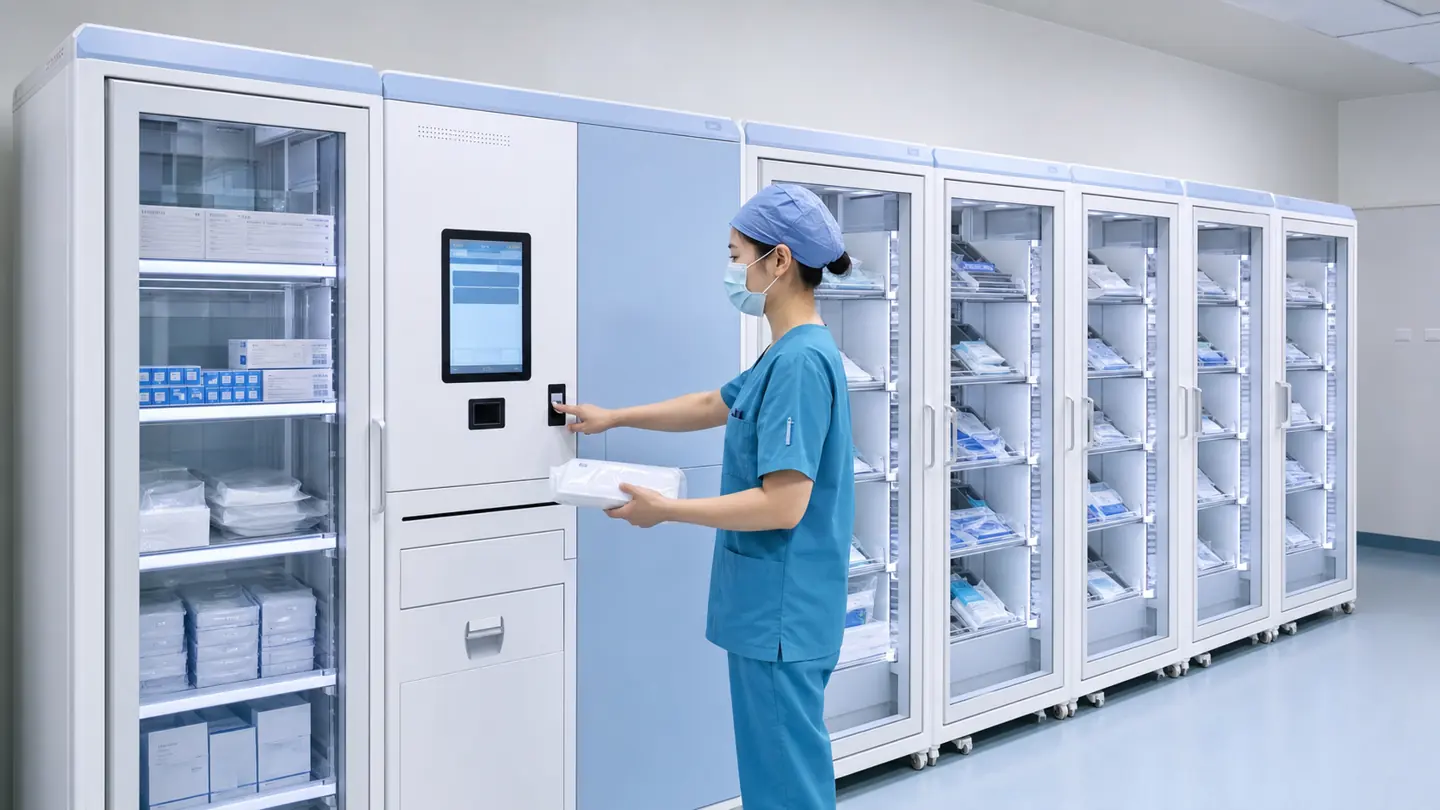
Managed AssetsSurgical, medical and laboratory-used materials
Deployment pattern1 main cabinet + deployment of multiple support cabinets
Core applicationsSelf-service, automatic inventory, active warning, surgical connection, automatic billing
Client Background
The customer is a general hospital in Tianjin region, where the operating and clinical sections require a wide range of medical consumables on a daily basis.
Traditional management relies on manual registration, scrutinizing and periodic inventory counts, and there are incomplete access records, delays in inventory updating, inconsistent accounts and late cost correlations.
Project Challenges
The variety of materials consumed and the difficulty of stockpile management
The materials are of different specifications, batches and validity periods, distributed over a variety of cabinets and sections, and it is difficult to keep the actual inventory in a timely manner.
Access registration is cumbersome and liability is difficult to trace.
Staff members who receive consumables require manual registration, which is prone to omissions, misrecording and difficulty in accurately linking the adopters and the patients who use them.
Unsynced account and cost information
The material, inventory, surgical records and fee information are dispersed and are prone to the use of the material but the inventory or cost is not updated in a timely manner.
High workload of inventory and effective management
Traditional inventories require a case-by-case inventory, which makes it difficult to detect near-effects, expired, missing goods and abnormally depleted materials in a timely manner.
Solutions
The project uses a combination of a RFID smart-based cabinet to connect multiple cabinets, and to manage the medical consumables of different categories and storage areas.
Staff members can open self-services once they have completed their identification; the system automatically identifies changes in the contents of the cabinet after closing, generates access records and updates inventories in real time, while supporting replenishment, return, stock alert and performance monitoring.
The system is linked to the procedure schedule for the operation, which automatically captures the information on the operation, the patient and the section, linking the actual use of the consumables to the corresponding operation; and, upon completion of the operation, the process management is achieved by generating the settlement data and retransmitting the material and cost system based on the use of the records.

Identification and self-help lead

Close the door recognition and auto-count.

The record of the operation's consumption.

Synchronize inventory life with billing
Workflow
Synchronize material information
Tab Print Writing
Refuelling of materials into containers
Synchronize the procedure
Staff validation
Self-help lead fuel
Close the door and automatically count.
The patient's in surgery.
Generate billing data
Synchronization of inventory records
Key Functions
Waste materials archives and labelling management
Maintenance of the RFID identity for each SFID for the utilisation code, name, specification, batch, validity period, price and supplier information.
The main and the auxiliary cabinets are managed in a unified manner
The main cabinet is centralized in the control of a number of auxiliary cabinets, which are the central management of cabinets, cabinet doors, storage areas, equipment status and storage of consumables.
Exploiting materials into containers and resupply
Support for material-consuming storage, labelling, batching and inventory reconciliation, and automatic recording of operators, time and number of containers.
Identification and self-help lead
Staff members complete identification through work cards, face or account numbers, collect consumables from self-openers and reduce manual registration.
Close the door and automatically count.
The cabinet door is closed and the RFID Tag is automatically read, identifying new, removed and returned consumables, and updating the booking inventory in real time.
The procedure is associated with the material.
Synchronization of surgical schedules, patient and room information automatically links the collected and used materials to the corresponding surgical tasks.
Automatic billing and system interface
Cost details based on actual use of consumables and synchronized with material management and settlement system data.
Early warning and life-cycle traceability
Early warning of low-stock, near-acting, expired and unusual access is fully documented for storage, access, use, return and settlement.
Deployment
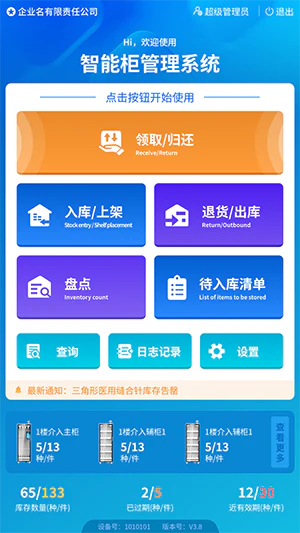
A. Software systems
- RFID Medical Utility Smartboard Management Platform
- Material archive, label and batch management
- Main cabinet, cover cabinet and inventory management
- Self-help lead, return and replenishment management
- RFID AutoAccount and Difference Verify
- The procedure and the patient's information link
- Automatic billing and business systems interface
- Effective early warning, traceable and statistical statements
B. Hardware equipment
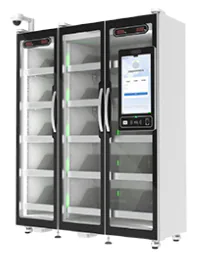 RFID Intelligence Depletion Hoster
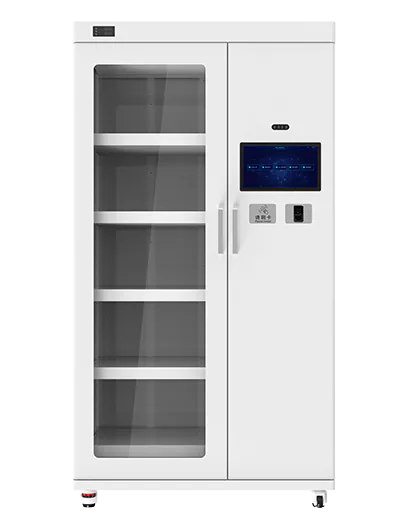 RFID smart-depletion cabinet
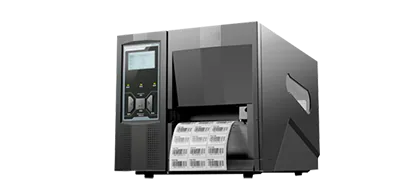 RFID Label Printer
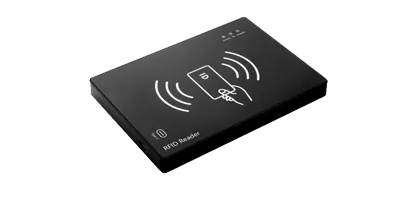 RFID Desktop Reader/Encoder
 Medical consumption RFID Tag
Results
How Can Hospitals Streamline Consumables Issue, Improve Inventory Accuracy, and Reduce Billing Delays?
Through the RFID smart-house and multiple-assembly cabinets, self-help access, closing of the book, effective warning, surgical connection and automatic billing are achieved, making the management of the consumables more accurate, timely and traceable.