RFID Tag
(c) To bind the only labels of tools, equipment and consumables, so as to achieve one size, suitable for paper boxes, plastics, metals and foreign objects.
Solution Detail
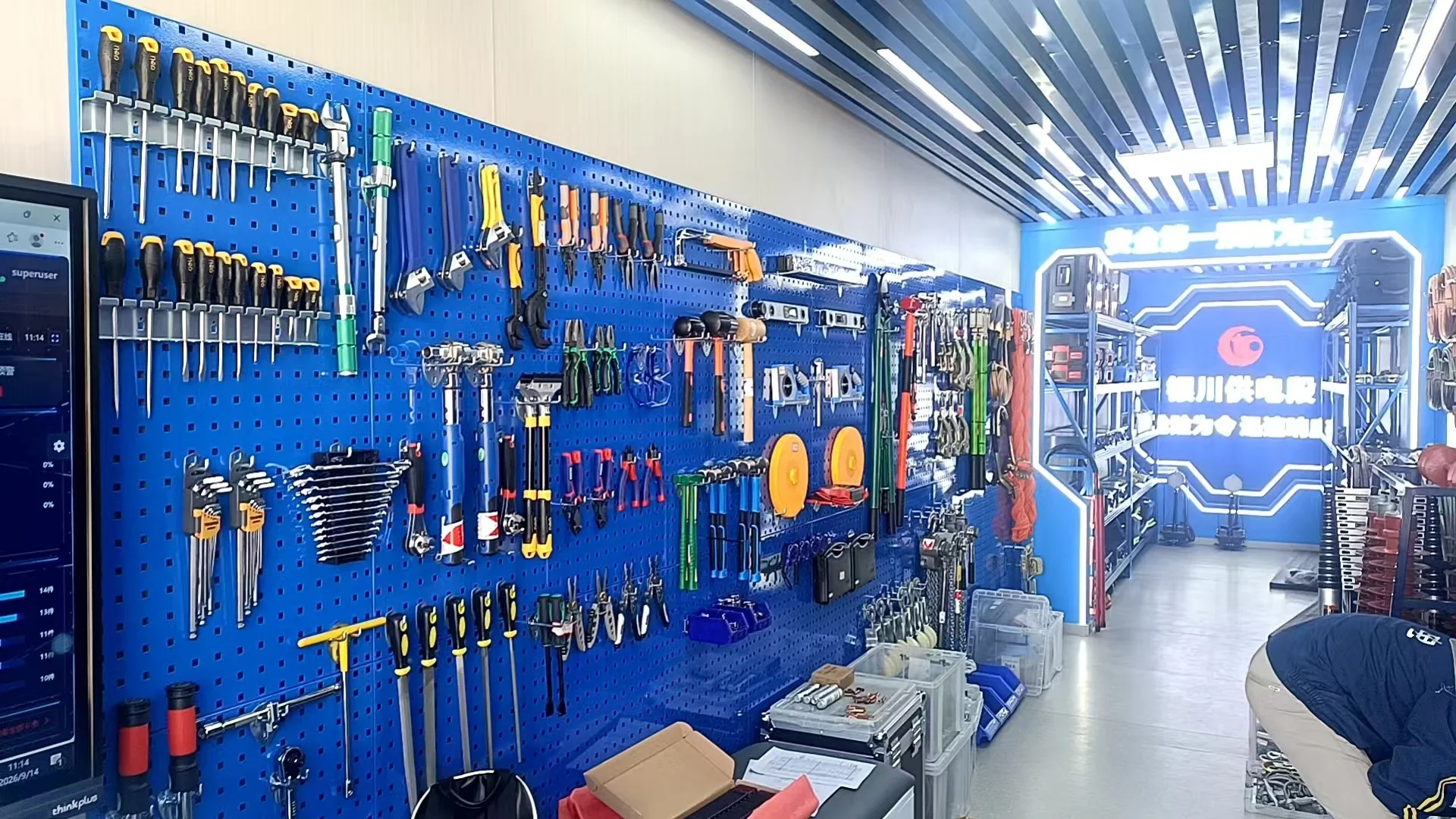
The RFID Device/Facilitator Management System (RFID) enables the digitization of tools and consumables from the inventory, lead, return, inventory, maintenance and end-of-life disposal through the RFID automated recognition technology, smart management cabinet and back-office management platform.
Request a Consultation(c) To bind the only labels of tools, equipment and consumables, so as to achieve one size, suitable for paper boxes, plastics, metals and foreign objects.
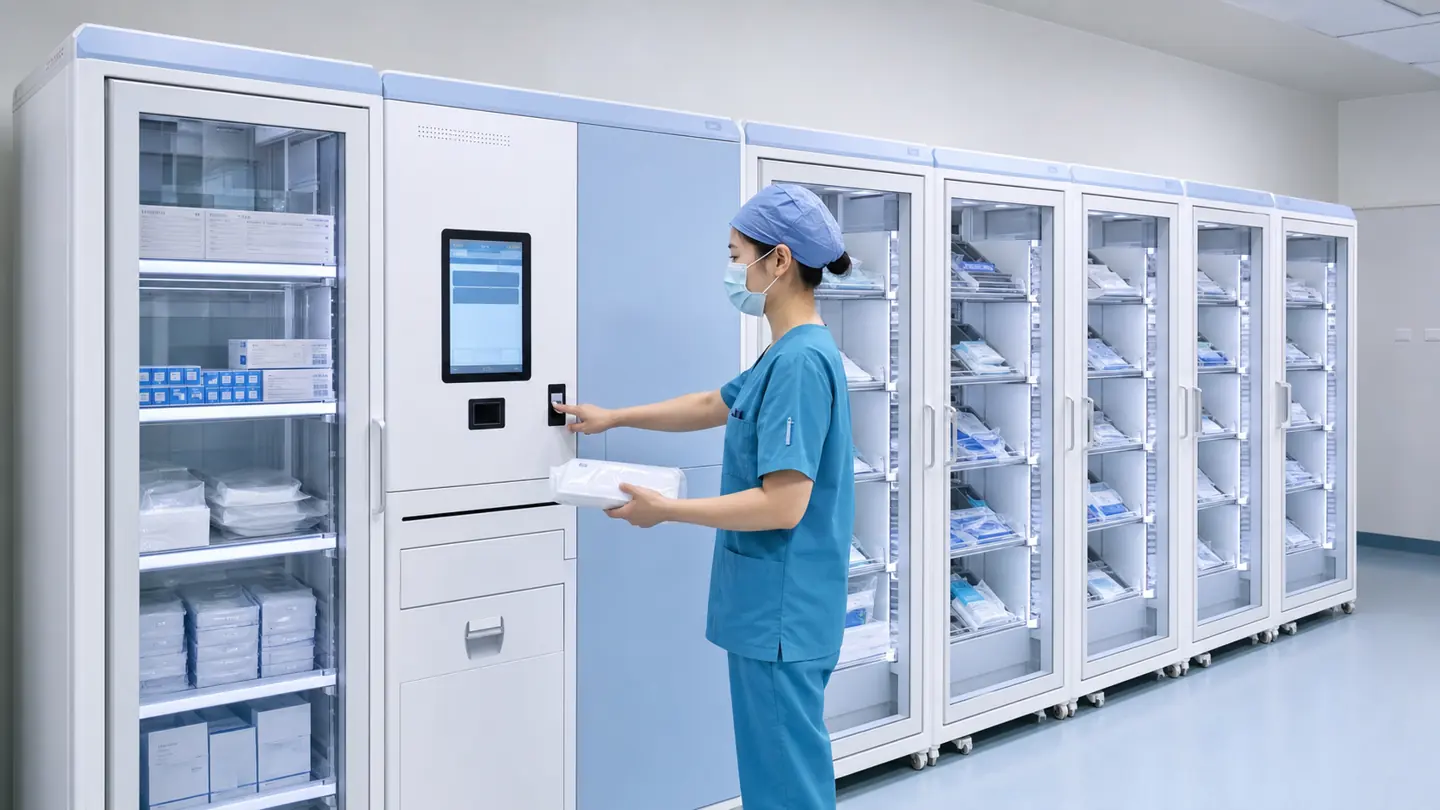
Automatic recognition, lot reading and retrieval records are achieved through smart cabinets, labels of the contents of the cabinet, and antennas inside the cabinet.
Harmonization of managers, items, inventories and operations to support access, return, inventory, replenishment, early warning and traceability.
Synchronization of data and return of business results through systems such as the API interface ERP, WMS, etc.
Traditional tools and materials acquisition rely on the manager to open the cabinet, to register manually and to check the case by case, and can be easily queued at peaks, affecting the efficiency of maintenance, production and clinical operations.
Traditional paper-based registration, manual signatures are easily forgotten, misrecorded and it is difficult to know exactly who is taking up what tools at what time.
The long-term failure, failure, replacement or damage to the tool resulted in a lack of complete personnel, time and operational records and difficulties in defining responsibilities.
The number of tools and materials is large and complex, and the time-consuming reliance on a case-by-case count is long, and the results of the inventory are also vulnerable to human factors.
The system was not updated in a timely manner after the items were received, returned and replenished, resulting in a discrepancy between the system inventory and the physical quantities in the cabinet.
Safety tools, precision tools lack screening cycles, state of maintenance and qualified status management, and may be used for extended periods of uninspected or pathological use.
The lack of quantity, personnel, sections, work orders or patient connections for the use of consumables can easily lead to over-atake, unknown use and backlogs.
There is no clear distinction between the categories of items available to different people, jobs and departments, and there are management risks such as unauthorised cabinet openings and ultra vires access.
Multiple workshops, sections or depots are managed separately, and inventory, access and early warning data cannot be aggregated and are difficult for managers to have as a whole.
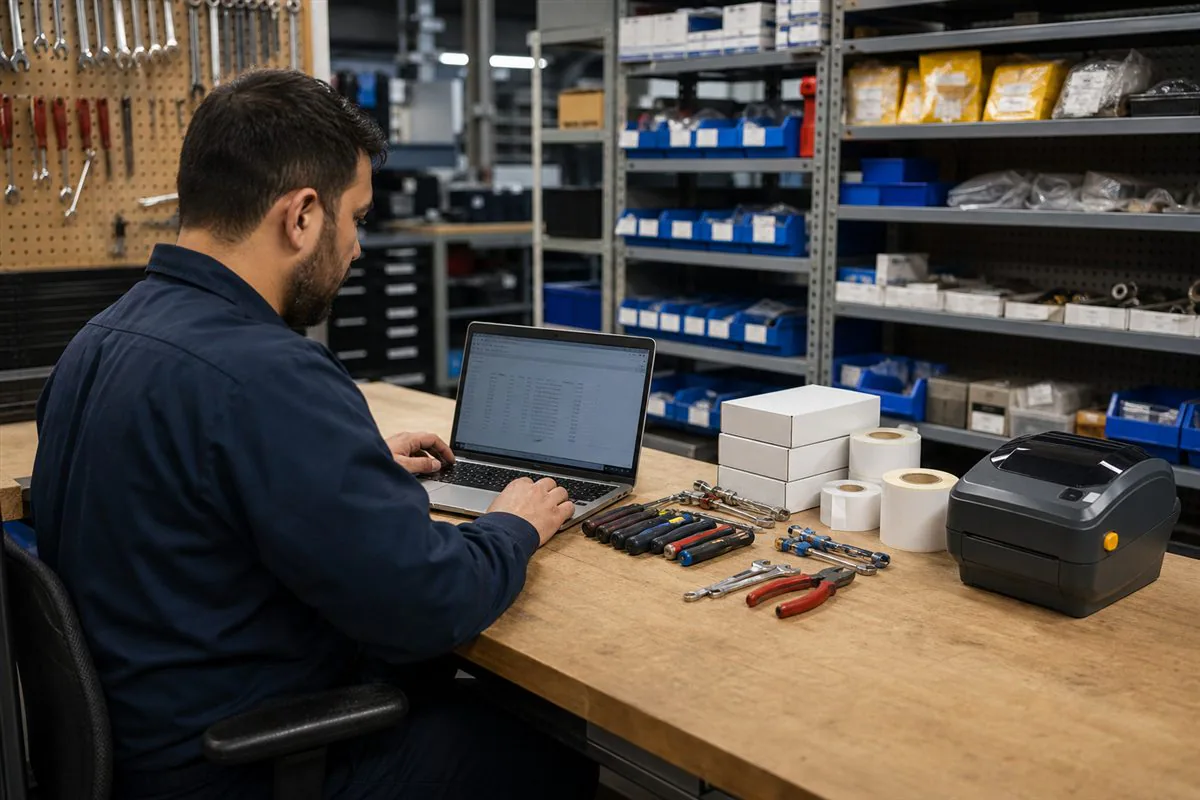
Harmonized management tools, consumables, classifications, specifications, suppliers, review cycles and validity periods to support Excel import and quick search.
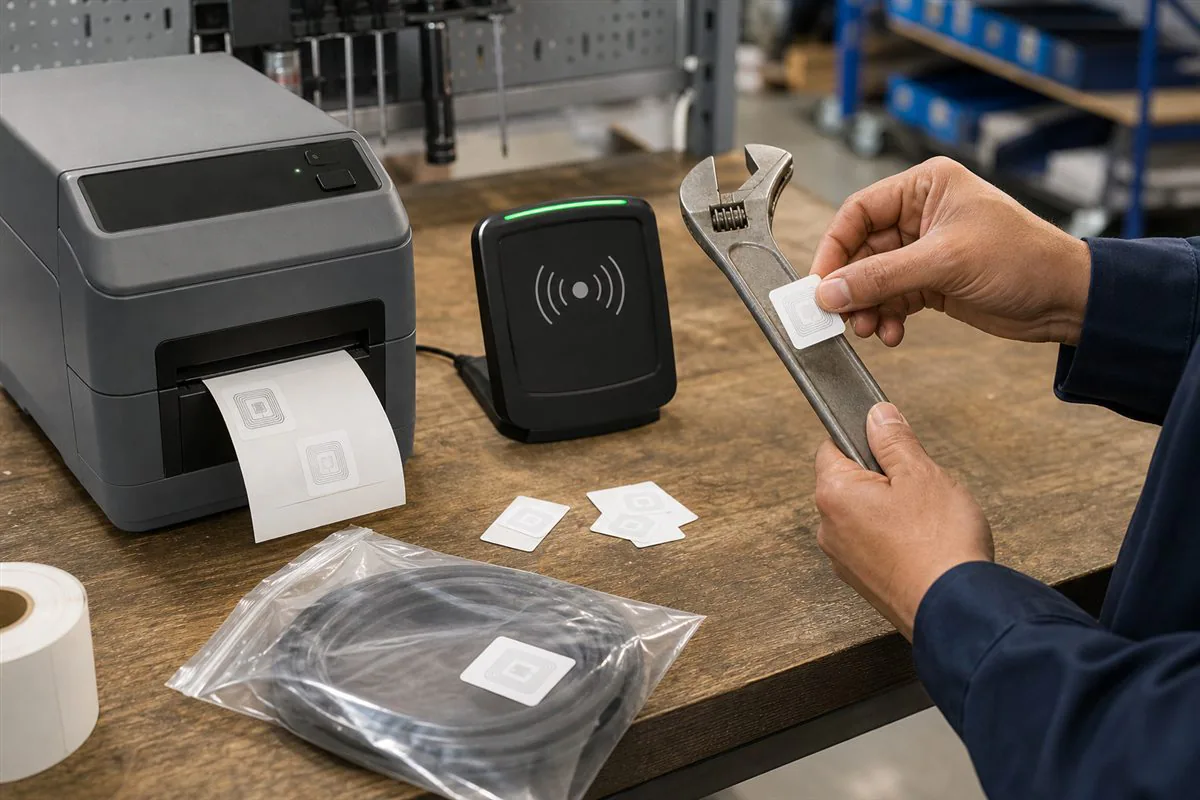
Supports tag printing, writing, binding, checking, retweeting, changing, untie and scrapping.
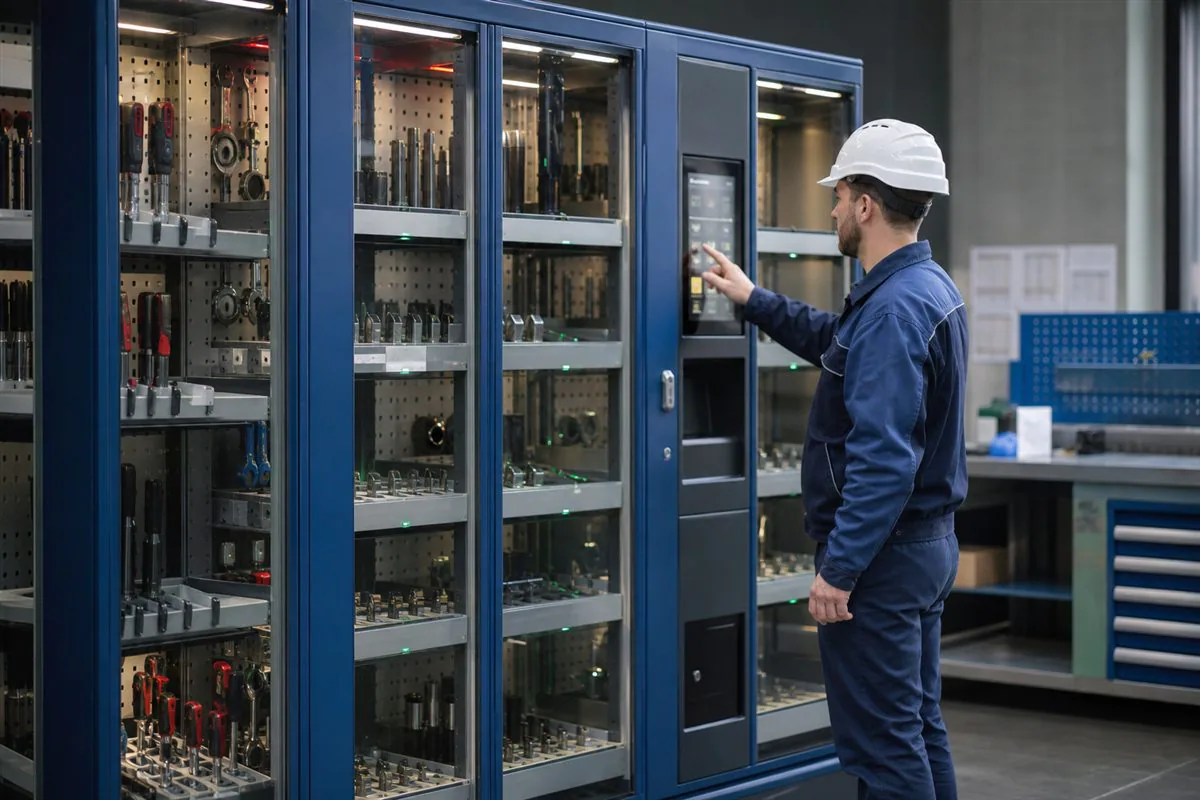
Integrated management of cabinets, doors, shelf and equipment, real time viewing of operations and online status.
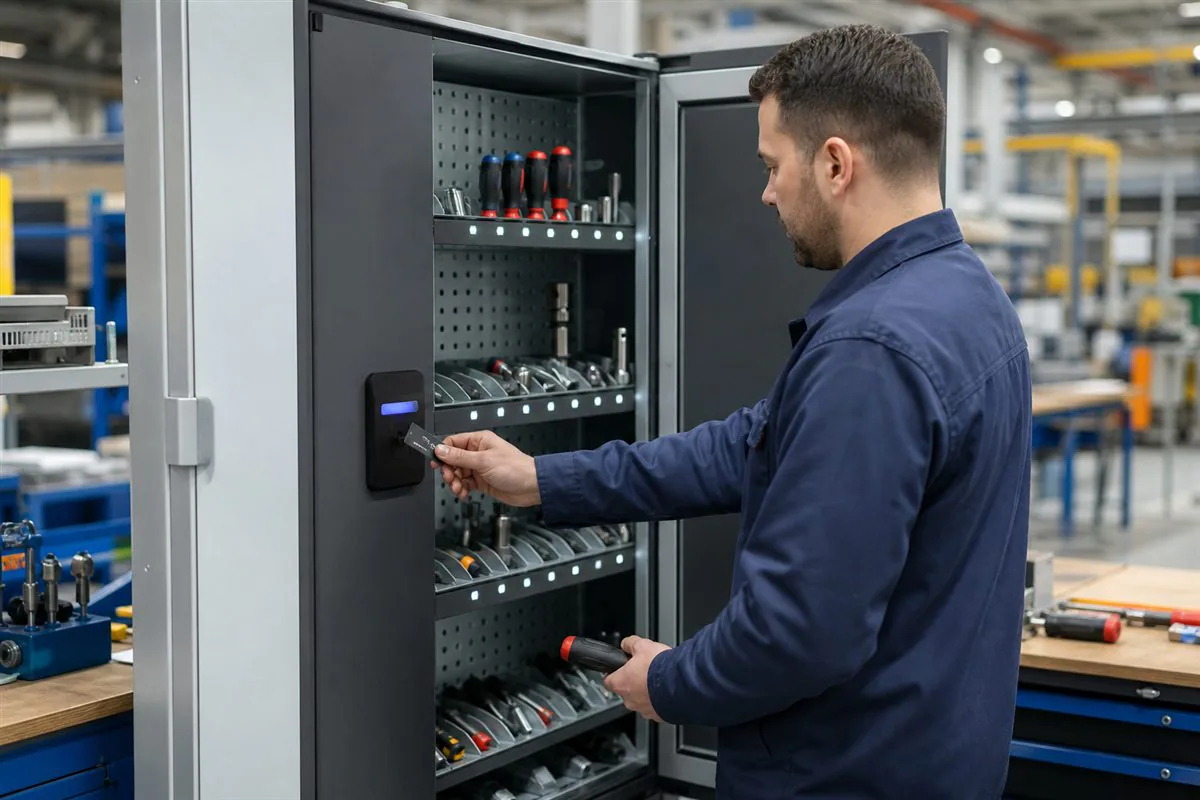
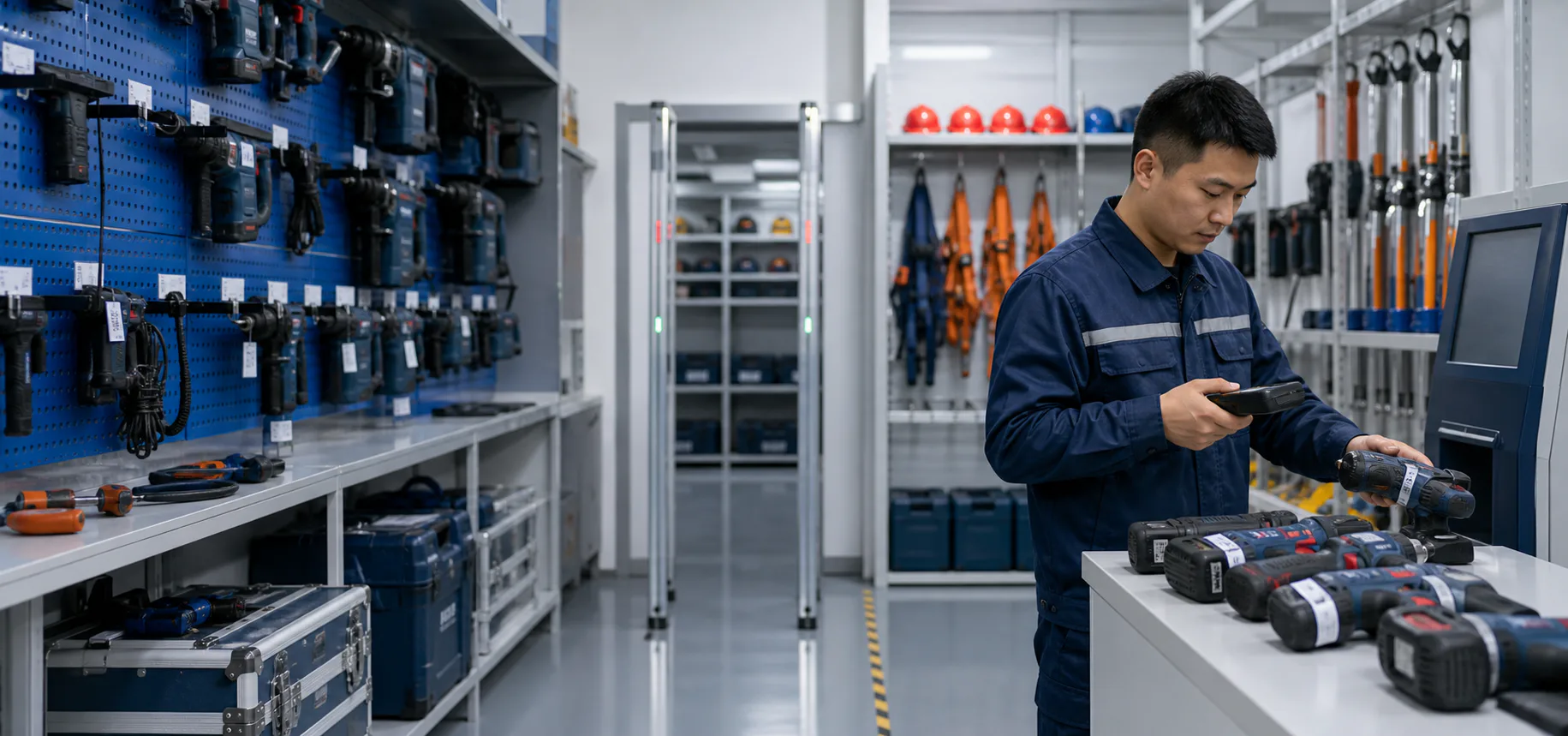
The self-service, self-service, and return of the person upon validation, the system automatically recognizes the changes in the item and records the operational information.
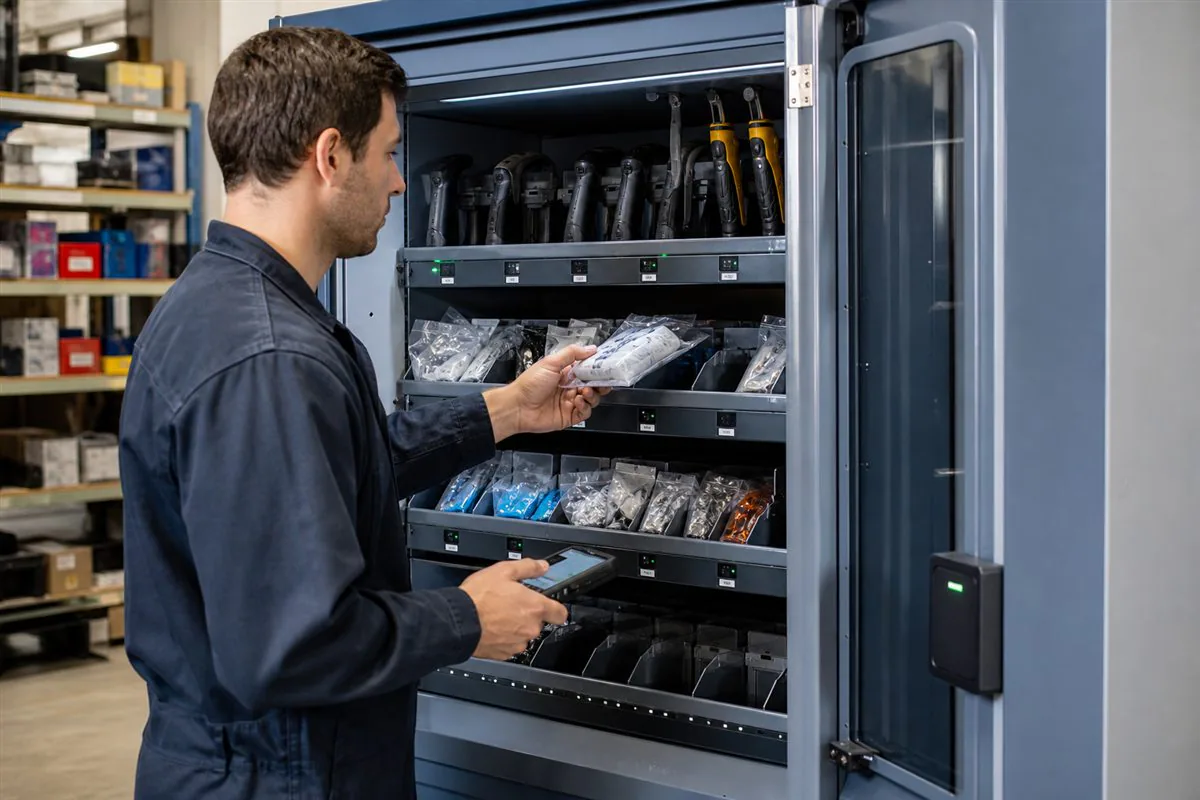
Supporting the entry of tools, resupply of consumables, repossessing, redeployment and inventory adjustments, automatically generate item details.
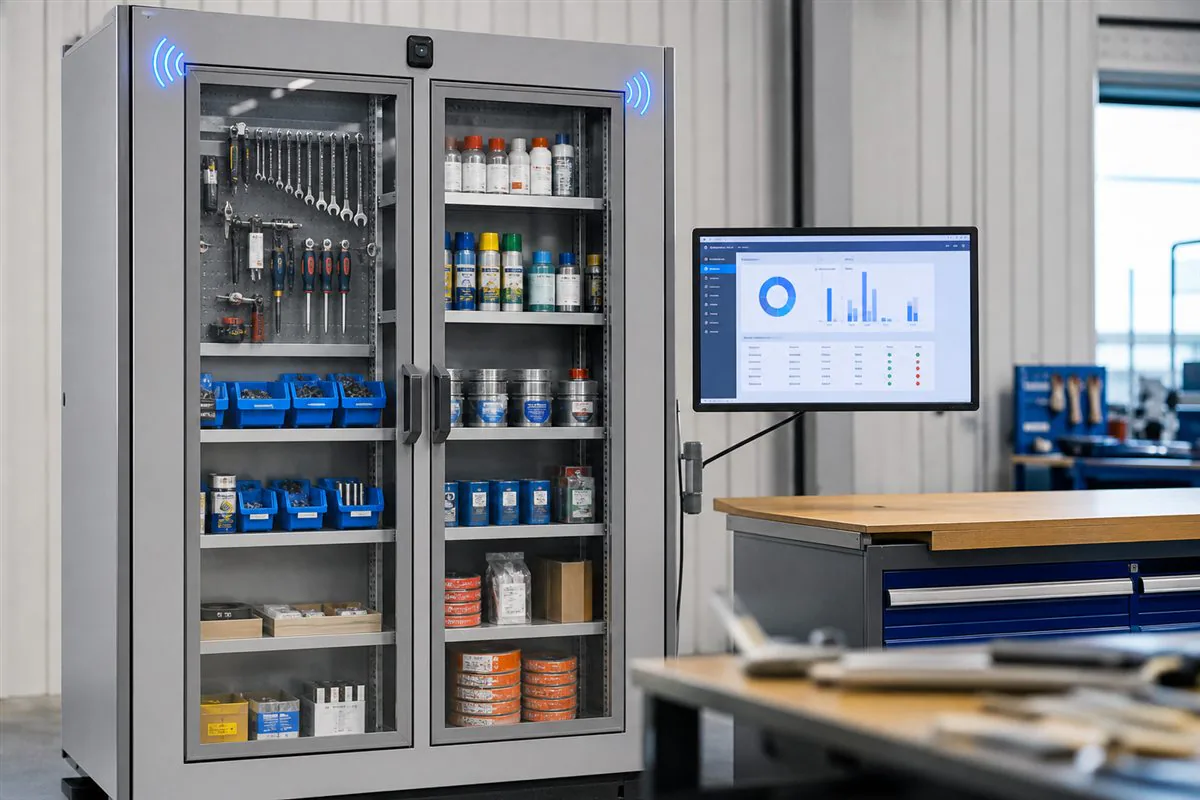
Automatic, time and manual inventory counts are supported, and the disk is automatically identified, the balance is lost and the abnormal label is identified.
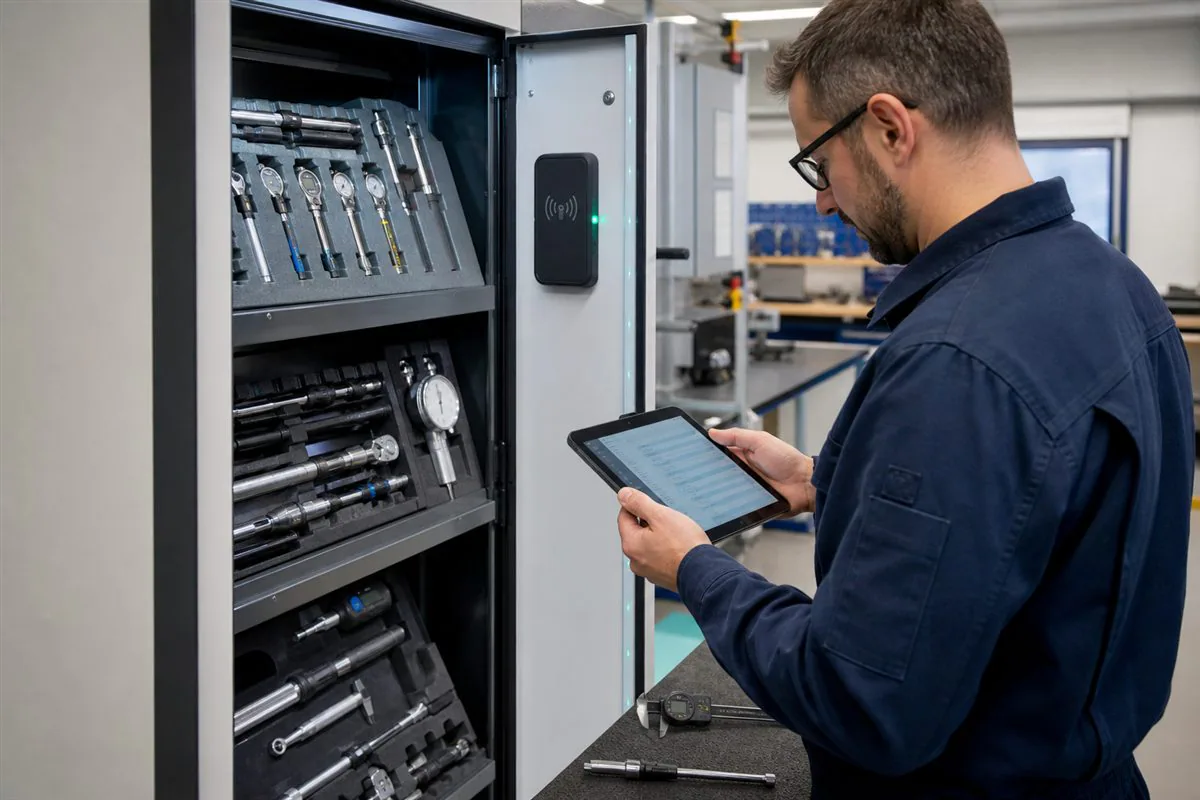
Management tools are being inspected, repaired and maintained, and automated warnings are being provided for expired, missing, uninspected and unrepatriated.
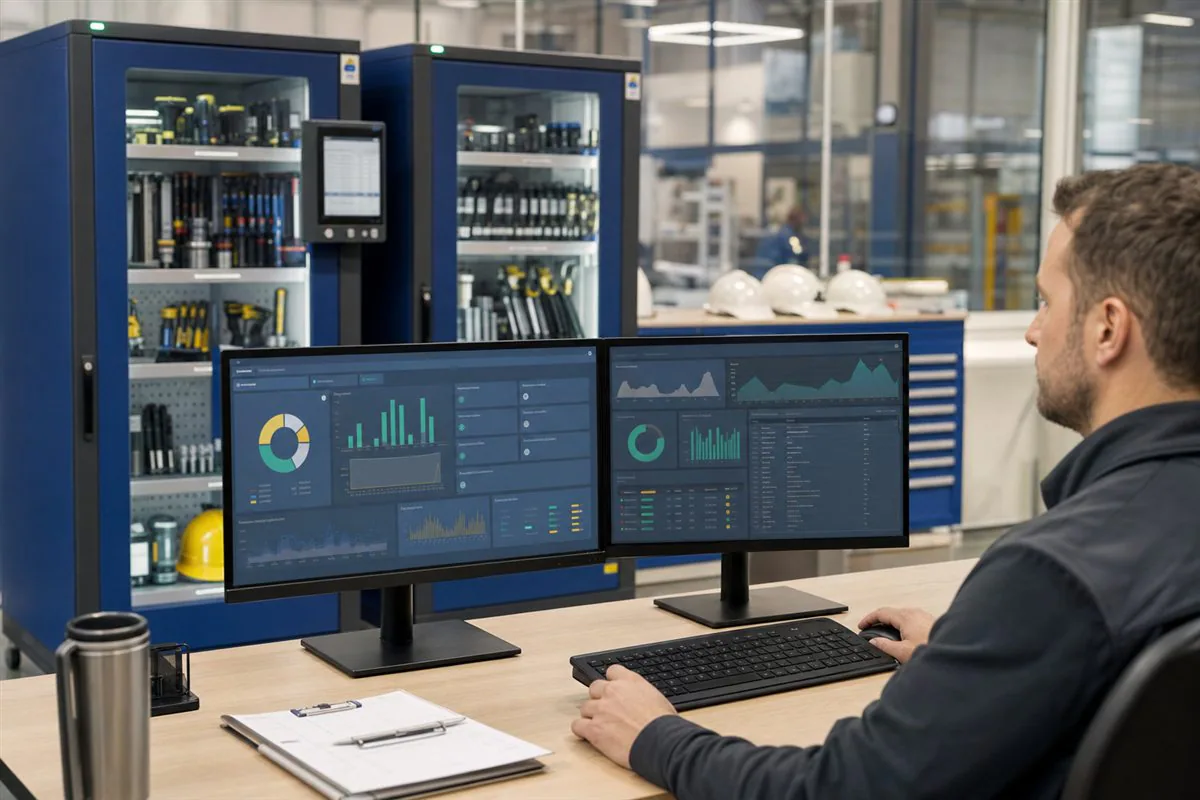
Recording of the process of opening cabinets, receipt, return, replenishment and inventory, and providing inventory, consumption, personnel and operating statements.
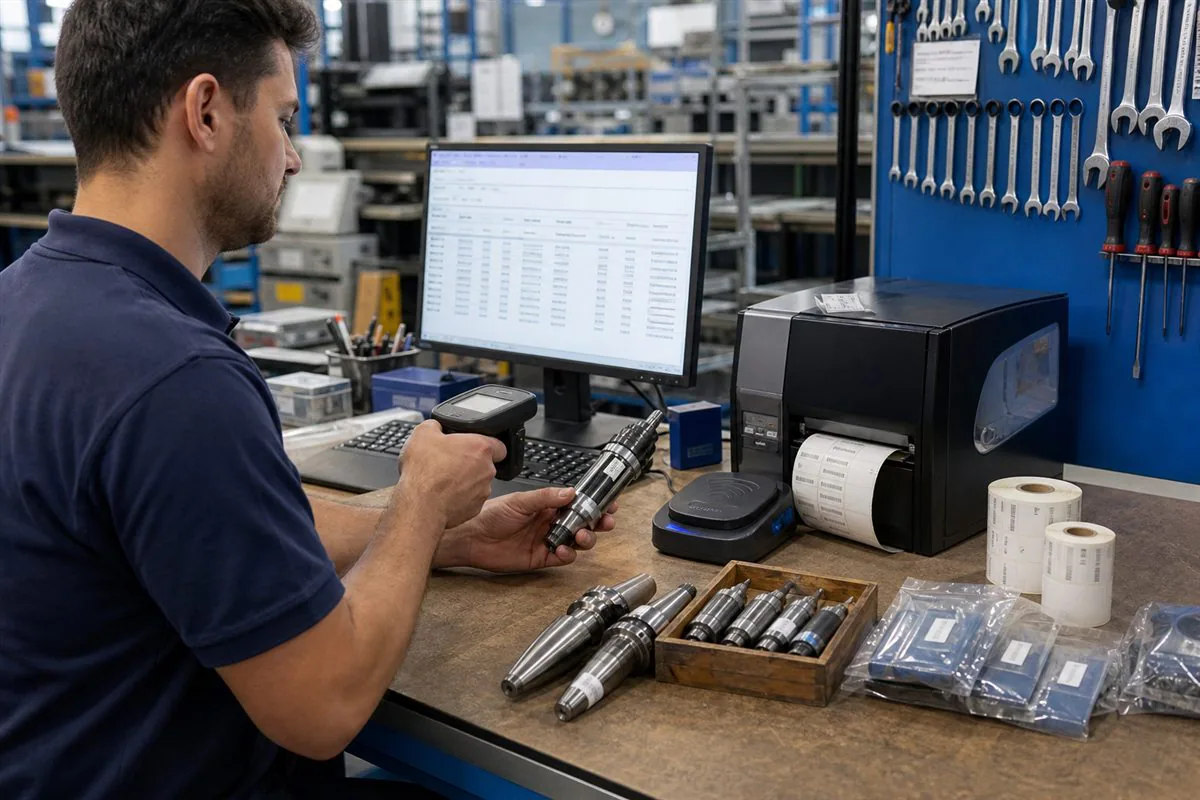
Batch generation of EPC code, completion of tag printing, writing codes and binding of articles.
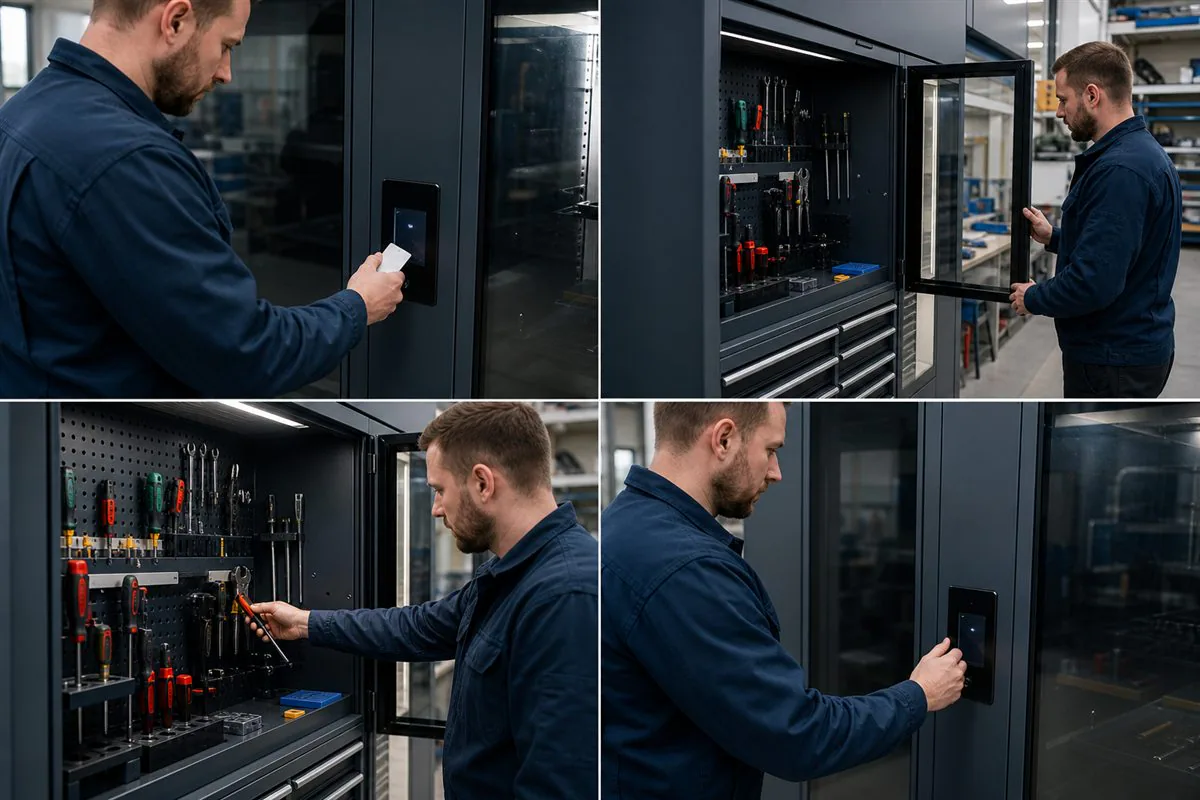
Self-help restitution tools after certification by personnel, and automatic system recognition of changes and record generation after closure.
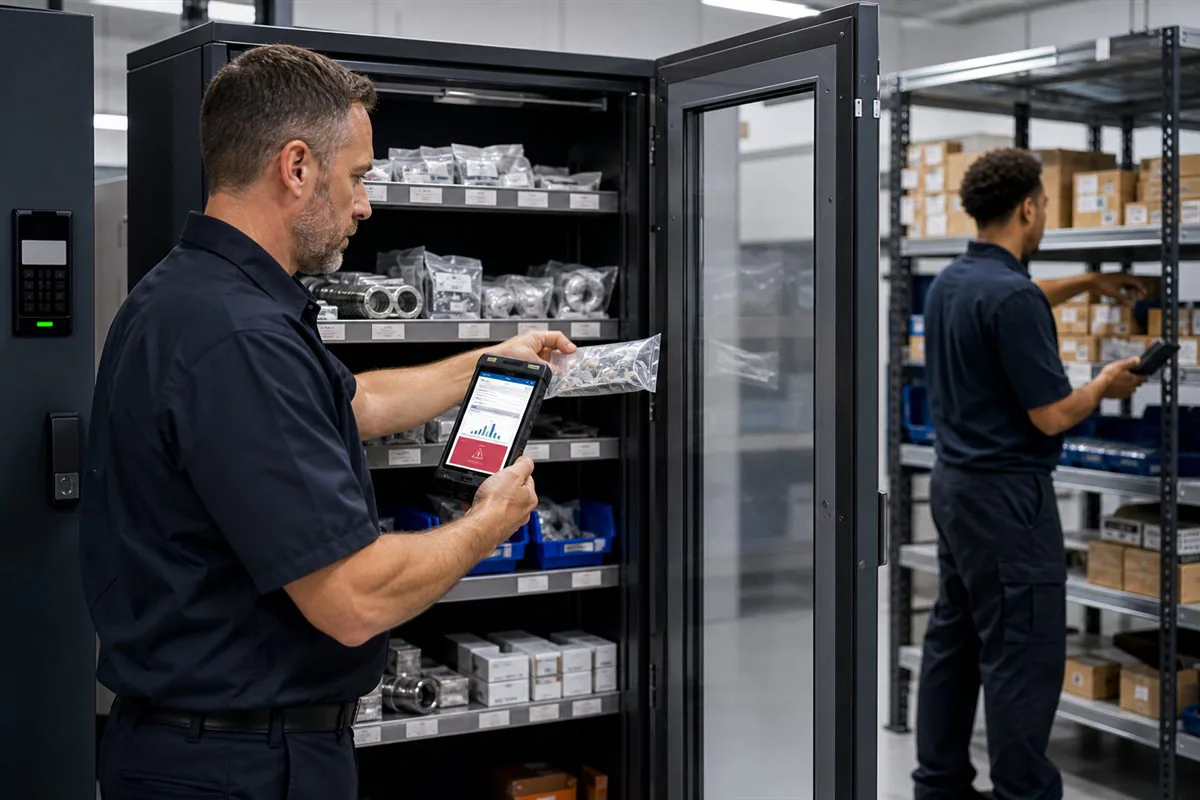
Once the containers are opened to take out the consumables, the system automatically deducts the inventory; when replenished, additional items are automatically identified.
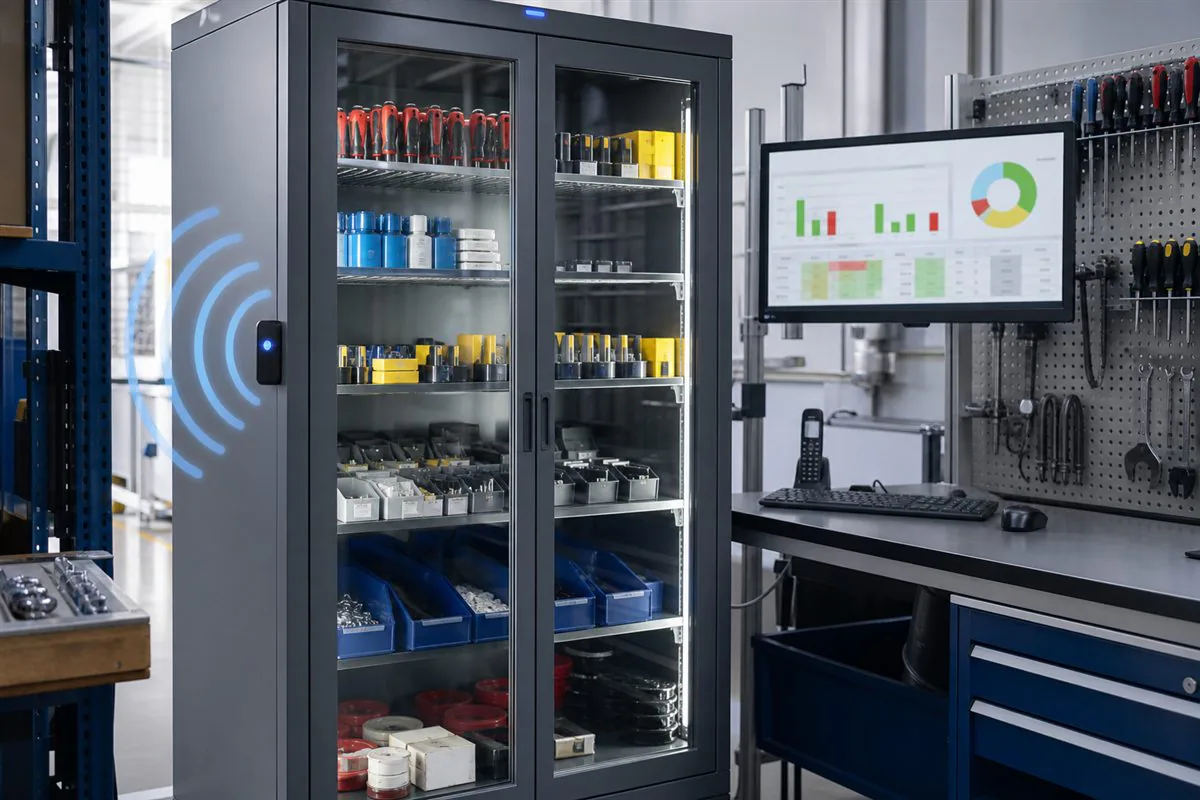
After closing the door, the contents of the cabinet are automatically counted, and the items are identified for removal, entry, transfer, loss and abnormal labels.
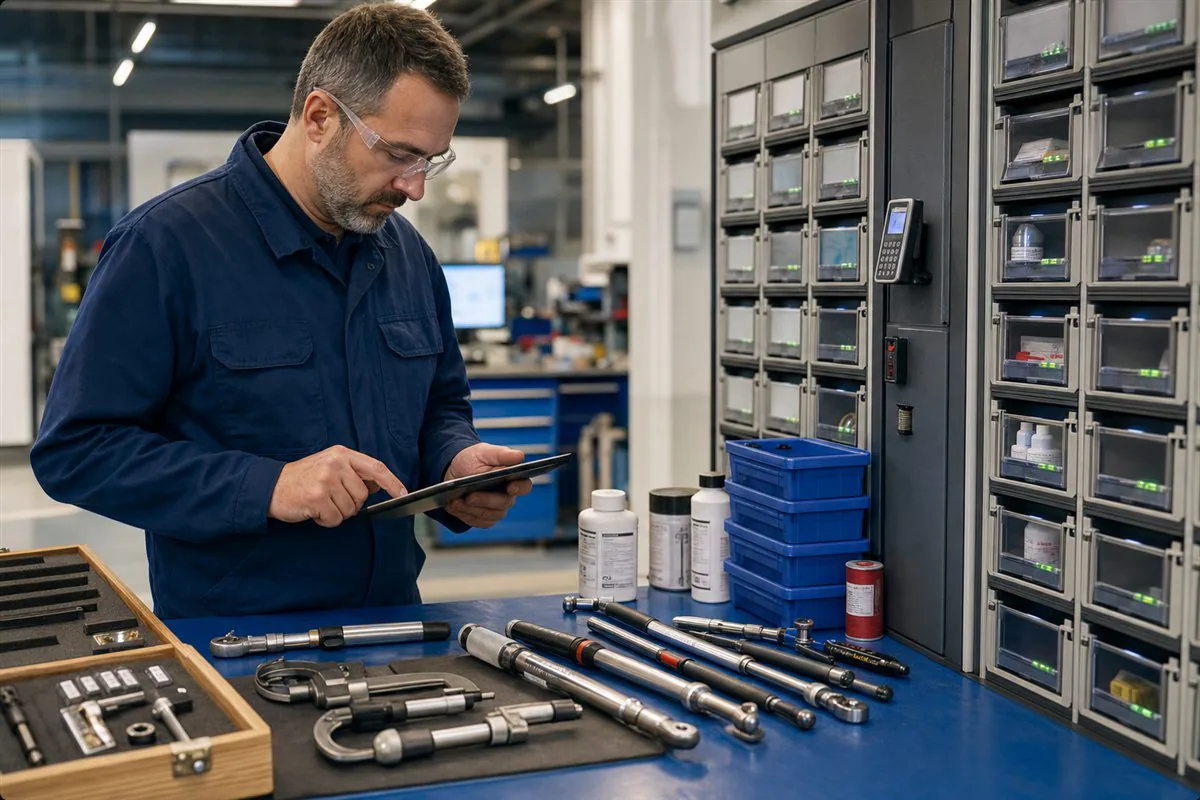
Management tools are being tested, repaired and maintained to provide automatic early warning of the near-effects of the fuel, its expiry and unusual storage.
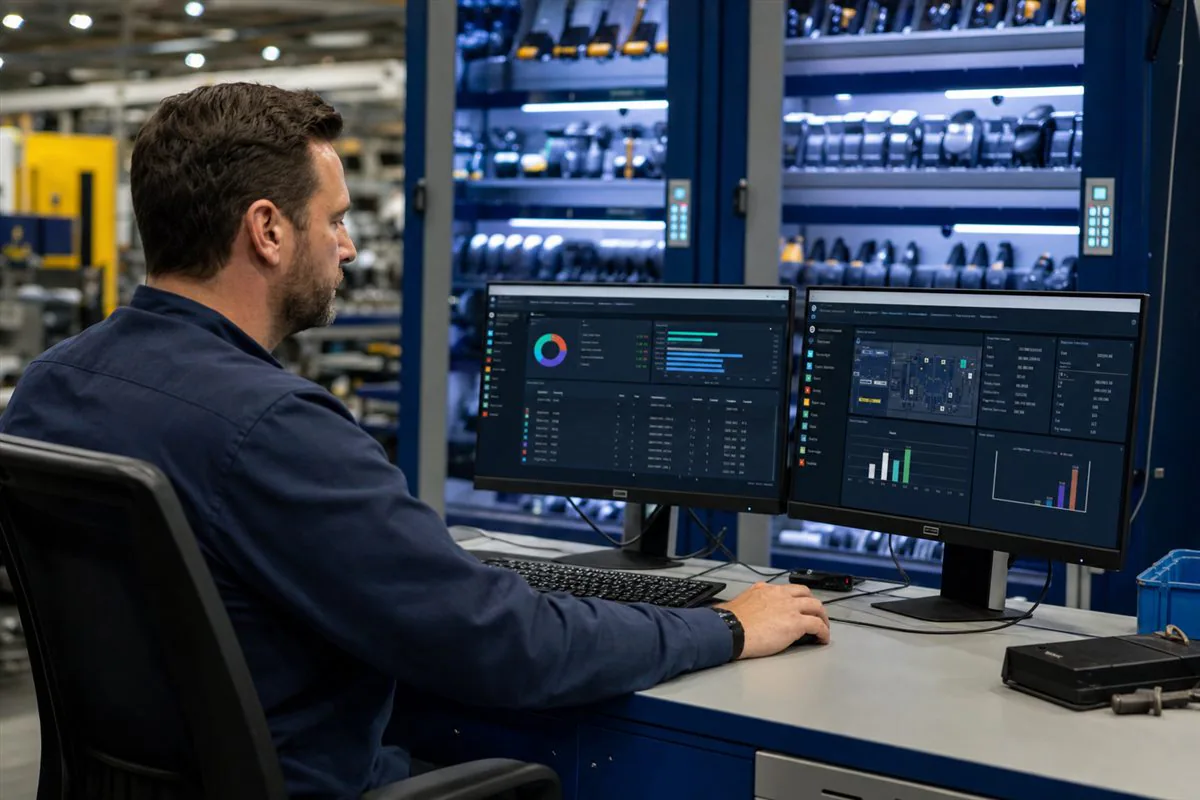
Real-time access to cabinets, location of items, licensees and historical records.
RFID Reader and antenna automatic identification labels in the cabinet support a bulk count.
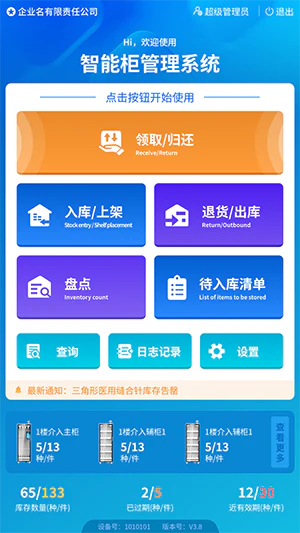
Supports identity login, operations, inventory queries and messages alerts.
The project supports the use of the use of the card, face, fingerprints, 2-dimensional code, and the use of the veins.
Controls the doors to the cabinet, with privileges, and supports the main cabinet, the side cabinet, the shelf and the drawers.
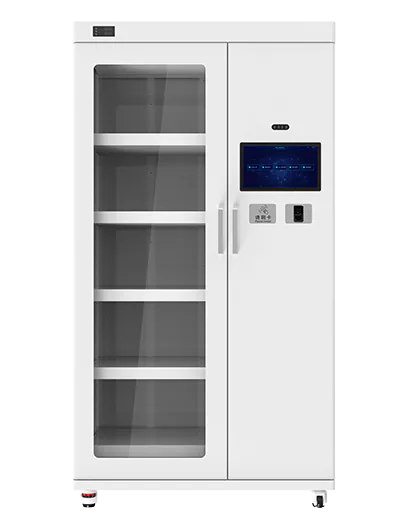
Recording of the item removal process, and the unusual operation supports the sound light alarm and the recording of the mark.
Supports cable, Wi-Fi and mobile networks, which are stored locally and automatically relayed when offline.
Unified management Asset Register, inventory, access permissions, access records, early warning and statements.
Support for interfaces between ERP, MES, WMS, HIs, worksheets, etc.
RFID automatic identification tools and consumables to reduce sweeps, registration and verification.
Real-time access, restitution and consumption, and timely detection of anomalies.
Automatic inventory and updating of inventory to provide a basis for replenishment and procurement.
Complete records of personnel, time, cabinets and articles, facilitating traceable liability.
Covering tool inventory, access, return, clearance, maintenance and end-of-life, and material acquisition and end-of-life management.
Optimizing the configuration and procurement plan through inventory, wear and tear, non-repatriation and use of data.
Related System
Fitting tool cabinets, depleting cabinets, personnel privileges, access restitution, stock alerts and operation marks.
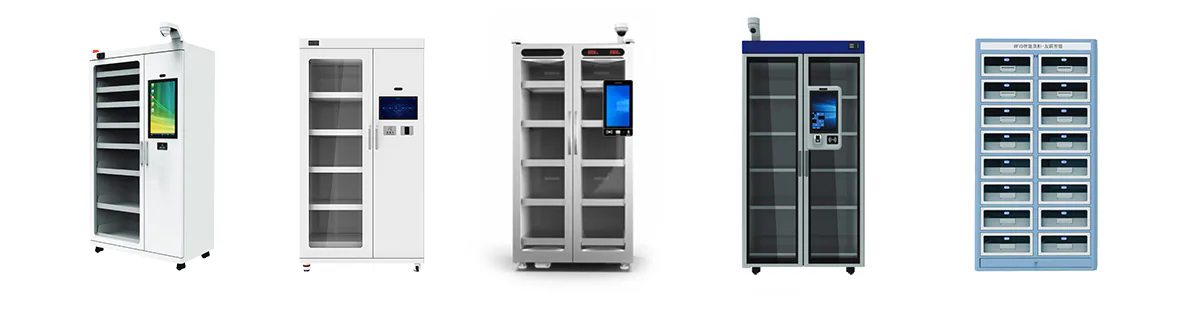
The following is a common hardware package for the programme, with the actual configuration being flexiblely configured in accordance with the project landscape, business processes and the field environment.
Centralized storage and loan-backs for maintenance tools, utensils, safety appliances and precision tools.
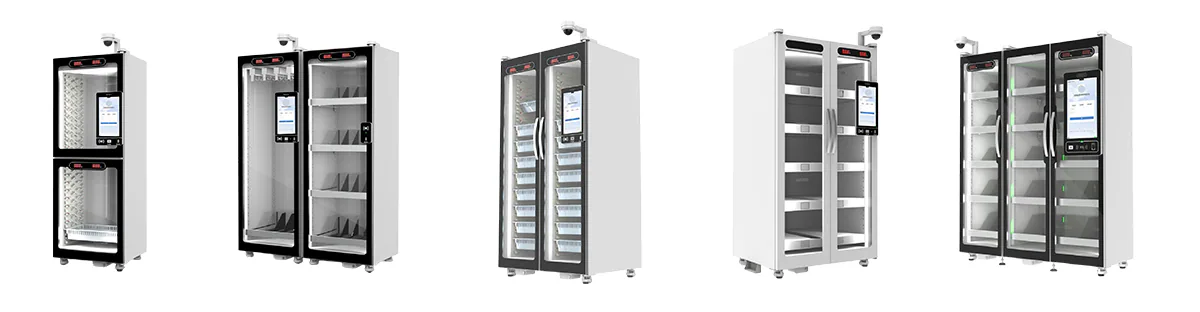
Application to industrial, medical and laboratory materials, supply, life and stockpile management.

Select PCB anti-metal, flexible anti-metal, adhesive, or flag labels according to the tool material, size, and consumable packaging.
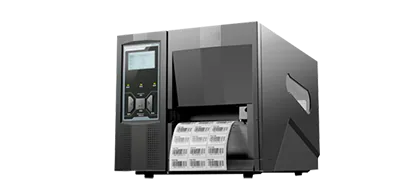
The tag code, the binding of the item information and the batch file are used for printing and writing to RFID Tag.
The general cabinets primarily address the storage of items; the RFID smart cabinets automatically identify the contents of the cabinets and record changes in personnel, time, access, return and inventory, and achieve a digitized management of the entire process.
The choice of different types of labels can be based on metal tools, foreign-forming tools and materials packaging.
Once the items are removed and the door is closed, the RFID Reader and antennas in the cabinet will automatically read the labels, compare them with the inventory before the opening of the door, and judge the access, return and quantity changes.
Depending on the quantity, size and use of the item, the configuration of the single door, double door, multiple doors, laminates, drawers, storage cells, pallets and the main side cabinet combination.
Contact Us
Tell us about your business scenario. We can help define the right tags, hardware, platform, and deployment approach.